







Flame Proof Crane
Products Introduction
Products Description
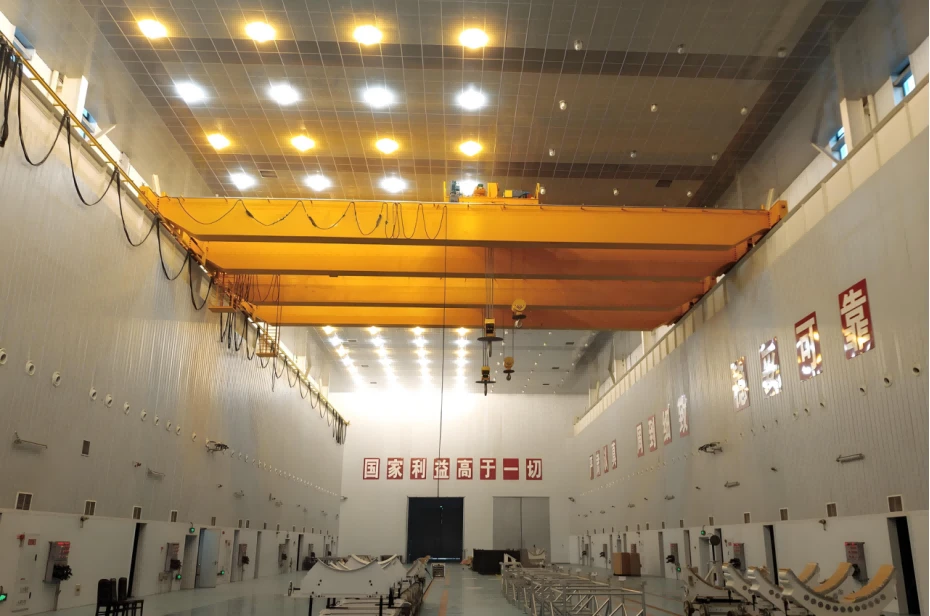
- Fire proof cranes are industrial lifting equipment specifically designed to be used in hazardous environments where there is a risk of fire or explosion. These cranes are designed to comply with safety standards and regulations, ensuring that they can safely lift and move heavy loads in flammable gas, vapor or dust environments. These cranes are built with enclosures that prevent any internal sparks or heat from escaping and igniting the surrounding air. They are certified for use in hazardous areas such as oil and gas plants, chemical industries or areas with explosive dust.
- Fire proof crane is made of high-strength materials to withstand extreme conditions such as high temperatures, corrosive environments and heavy loads.
Place of Origin :Henan, China
Warranty: Main Body 12months
After-sales Service Provided: Field installation, commissioning and training
Working duty:A3-A5
Operation mode: Ground control or cabin control,Wireless Remote
Painting color :On request
Electric protection:IP54,IP55
Lifting/traveling speed: Single/double speed or on request
Ambient temperature: -25~100 Celsius,on request
Working voltage: 3 Phase 380V 50Hz, or on request
Material: Q235/Q345 steel plate,onrequest
Pictures & Components
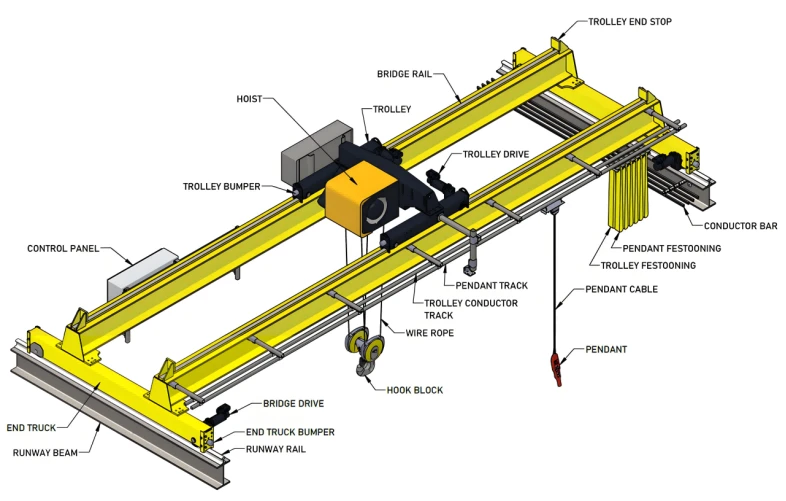
1.Main beam
The main beam of a fire proof crane is a critical structural component used to support the crane and withstand heavy loads when operating in hazardous environments.
It is usually made of high-strength steel to ensure durability. The shape is usually an I-beam or box beam for maximum load-bearing capacity. Reinforcement Additional reinforcement can be added to withstand high temperatures and explosive environments.

2.Lifting System
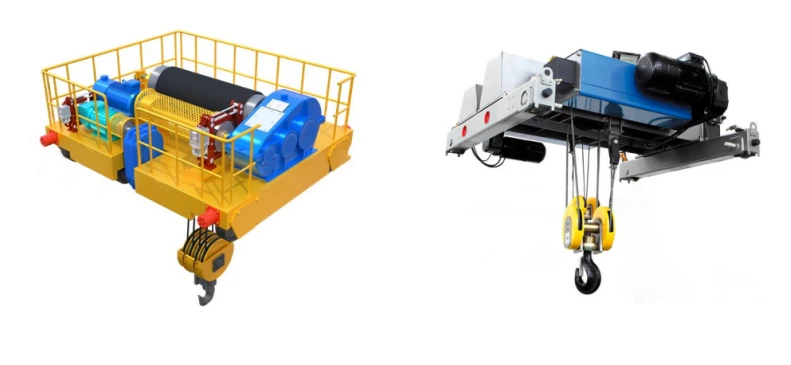
The hoisting system of a fireproof crane is designed to operate safely in hazardous environments where explosive gases, vapors or dusts are present.
These cranes are often used in industries such as oil and gas, chemical plants and mining. Here is an overview of the hoisting system components and how they work in a fireproof crane:
1. Fireproof electric hoist: specially designed to prevent sparks and control heat dissipation.
2. Hoisting motor: explosion-proof, with thermal protection and insulation.
3. Hook and wire rope/chain: made of high-strength materials and designed to prevent excessive friction or heat generation.
3.End carriage
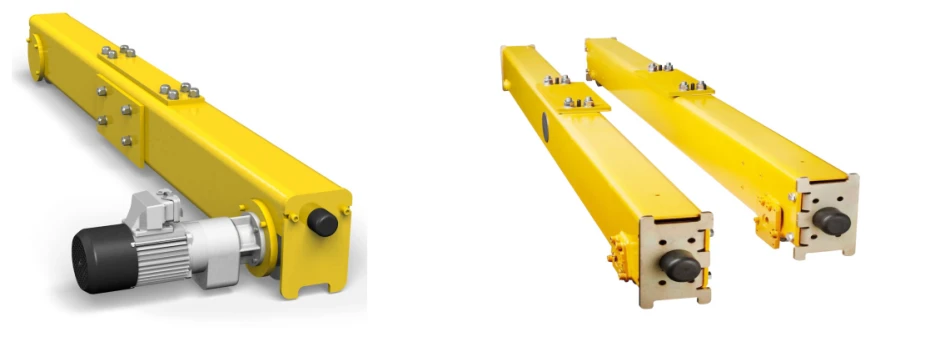
The end beam of a fireproof crane is a key component designed to support and guide the crane bridge as it moves along the track beam. Fireproof cranes are specially designed to prevent explosions in hazardous environments where flammable gases, vapors or dust are present. The end beam plays a vital role in ensuring that the crane moves smoothly and safely.
1. Explosion-proof design: Made of fireproof materials. Fireproof housings for electrical components prevent ignition of hazardous gases.
2. Heavy-duty construction: Made of high-strength steel to withstand heavy loads and harsh industrial conditions. Precision-machined wheels and bearings:
3. High-quality wheels (usually made of steel or polyurethane) for smooth movement. Anti-friction bearings reduce wear and increase durability.
4.Crane travelling mechanism
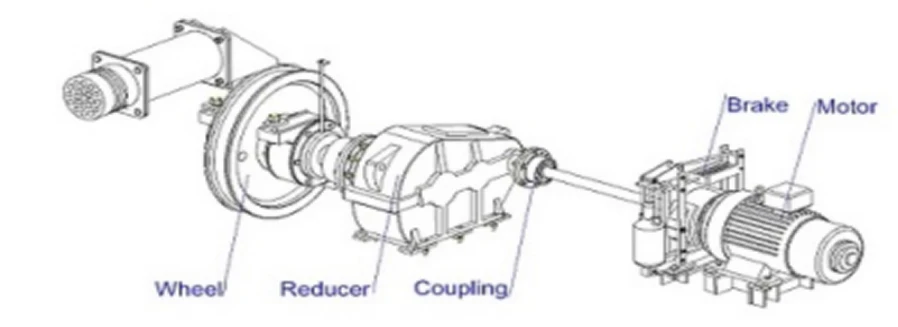
Crane travel mechanisms for fireproof cranes are designed to ensure safe and efficient movement in hazardous environments where explosive gases or dusts are present.
1. Components of Crane Travel Mechanism
Drive: Includes a fireproof motor and gearbox for smooth movement.
Wheels and end frames: High-strength wheels mounted on the end frames ensure stability and smooth movement of the crane track.
Track system: Heavy-duty tracks or rails designed for explosion-proof applications.
Brakes: Electromagnetic or hydraulic fireproof brakes provide controlled stopping and safety.
Control systems: Include fireproof push button stations, remote controls, or PLC-based automation for precise operation.
2. Features of Fireproof Crane Travel Mechanism
Explosion-proof motors: Specially designed motors with flameproof enclosures (Ex-d) to prevent sparks from igniting hazardous gases.
Intrinsically safe wiring: Electrical components comply with ATEX, IECEx, or similar safety standards.
Heavy-duty gearboxes: Enclosed and sealed to prevent sparks or heat buildup.
Smooth acceleration and deceleration: Variable frequency drives (VFDs) or soft-start mechanisms reduce mechanical stress.
Durability and Corrosion Resistance: Made of materials that withstand harsh industrial environments.
5.Trolley travelling mechanism
The trolley travel mechanism of a fireproof crane is designed to operate safely and reliably in hazardous environments where explosive gases, vapors or dusts may be present.
1. Components of the trolley travel mechanism
Flameproof motor: A specially designed explosion-proof motor, usually compliant with ATEX, IECEx or NEC standards.
Gearbox and drive system: Transmits power from the motor to the trolley wheels, ensuring smooth, controlled movement.
Fireproof brake: Electromagnetic or disc brakes used to hold the trolley in place when power is lost.
Wheels and tracks: Made of fireproof materials, run on tracks to move the hoist components.
Electrical control panel: Enclosed in a fireproof enclosure to prevent sparks from igniting the hazardous environment.
Limit switches and safety sensors: Prevent overtravel and ensure precise positioning.
Cable and festoon system: Fireproof cables or wires safely supply power.
2. Working principle
When the operator starts the trolley via the control panel or remote control, the fireproof motor supplies power to the gearbox, which drives the trolley wheels.
The trolley moves along the crane bridge, transporting the crane and load to the desired location.
The brake automatically engages when power is removed, ensuring the trolley stops safely.
Limit switches restrict movement beyond safe operating limits.
3. Safety features
Explosion-proof housing prevents sparks or heat from escaping.
Non-sparking materials reduce the risk of friction ignition.
Emergency stop system quickly shuts down the trolley when necessary.
6.Crane wheel
Crane wheels for fireproof cranes are specially designed components for cranes operating in hazardous environments, such as chemical plants, refineries and mining sites.
These wheels are carefully designed to meet explosion and fire safety standards, ensuring that they will not produce sparks or overheat during operation.
Key features of fireproof crane wheels:
Materials: Made of high-strength, heat-treated steel or alloys to withstand heavy loads and wear.
Fireproof certification: Meets ATEX, IECEx or other explosion-proof standards to ensure safe operation in hazardous areas.
Anti-sparking properties: Designed to minimize friction and prevent sparks.
Precision machining: Ensures smooth movement and reduces noise and vibration.
Surface coating: Often coated with anti-corrosion and heat-resistant materials for increased durability.

7.Crane Hook
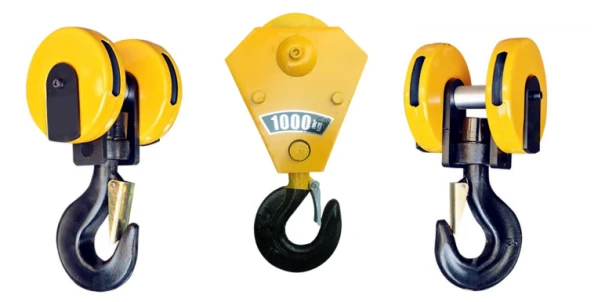
A Crane Hook for a Flameproof Crane is a crucial component designed for use in hazardous environments where flammable gases, vapors, or dust are present. These hooks must meet strict safety and certification standards to prevent sparks and ensure safe operation.
Key Features of a Flameproof Crane Hook:
Material – Made from high-strength, non-sparking alloys such as bronze or stainless steel to reduce the risk of sparks.
Load Capacity – Designed according to the crane's lifting capacity, typically following international standards like EN 818, ASME B30.10, or DIN 15401/15402.
Corrosion Resistance – Often coated or treated to withstand harsh industrial environments.
Explosion-Proof Certification – Must comply with ATEX, IECEx, or NEC standards for hazardous locations.
Safety Features – Includes safety latches and locking mechanisms to prevent accidental load release.
8.Motor
A flame proof crane motor is a specially designed motor used in hazardous environments where explosive gases, vapors, or dust are present. These motors are built to prevent ignition of surrounding flammable materials, ensuring safety in industries such as oil & gas, chemicals, mining, and pharmaceuticals.
Key Features of a Flameproof Crane Motor:
Explosion-Proof Design – The motor casing is designed to withstand internal explosions without igniting the external atmosphere.
Ingress Protection (IP Rating) – Typically rated IP55 or higher to protect against dust and water.
Temperature Classification – Ensures surface temperature remains below the ignition temperature of flammable substances.
Robust Enclosure Material – Usually made of cast iron or aluminum with reinforced sealing.
Common Specifications:
Power: Ranges from 0.5 kW to 100 kW (or more).
Voltage: 380V, 440V, or customized as per requirement.
Mounting: Foot-mounted or flange-mounted.
Speed: 750 RPM, 1000 RPM, 1500 RPM, or 3000 RPM.
Cooling Method: TEFC (Totally Enclosed Fan Cooled) or TENV (Totally Enclosed Non-Ventilated).

9.Sound and light alarm system & limit switch
A sound and light alarm system and a limit switch are essential safety components of a flameproof crane, which is designed for use in hazardous environments, such as those with explosive gases or dust. Here's an overview of each:
1. Sound and Light Alarm System
This system alerts operators and workers in the area about the crane's movement, operational status, or emergencies.
🔹 Components:
Audible Alarm (Buzzer/Siren): Produces a loud sound to warn people.
Visual Alarm (Beacon/Flashing Light): Provides a flashing or rotating light signal.
Control Unit: Activates alarms based on specific conditions (e.g., overload, motion, emergency stop).
🔹 Functions:
Warns of crane startup or movement.
Alerts for overload conditions.
Signals faults or emergency stops.
Ensures safety in explosive environments by using flameproof (Ex-proof) components.
2. Limit Switch
A limit switch prevents the crane from exceeding its safe operational range, ensuring safety and preventing damage.

10.Safety Devices
Flameproof cranes, also known as explosion-proof cranes, are designed to be used in environments where there is a risk of explosions due to flammable gases, dust, or vapors. These cranes need to be equipped with specific safety devices to ensure safe operation in hazardous areas. Here are 10 safety devices typically used in flameproof cranes:
Flameproof Motors: These motors are designed to prevent the ignition of flammable gases or dust in the surrounding atmosphere. They are enclosed in flameproof casings to contain any sparks or heat generated by the motor.
Explosion-proof Electrical Components: All electrical components, including switches, junction boxes, and control panels, are designed to be explosion-proof and prevent the release of sparks that could ignite a flammable atmosphere.
Load Limiters: These devices prevent the crane from lifting loads beyond its rated capacity, reducing the risk of mechanical failure and potential accidents.
Overload Protection: Similar to load limiters, overload protection systems automatically stop the crane's operation if it exceeds a safe load capacity, preventing damage to the crane and the environment.
Emergency Stop Buttons: These are strategically located on the crane and remote control systems to allow quick stopping of the crane in the event of an emergency.
Grounding and Bonding Systems: Proper grounding is essential in explosion-prone environments to prevent static electricity buildup, which could cause sparks. Bonding ensures electrical continuity between all crane parts.
Flameproof Enclosures: These enclosures are designed to contain any explosion or fire originating from electrical equipment inside, preventing it from igniting the surrounding hazardous atmosphere.
Thermal Protection: Flameproof cranes are often equipped with thermal sensors that monitor the temperature of motors and electrical components to prevent overheating and reduce the risk of fire or explosion.
Intrinsically Safe Control Circuits: These circuits limit the energy available in the system to prevent sparks and heat generation in areas where explosive atmospheres might exist.
Fire Detection and Suppression Systems: These systems detect the presence of a fire and automatically activate a fire suppression mechanism, such as foam or CO2, to extinguish any flames and prevent further damage.
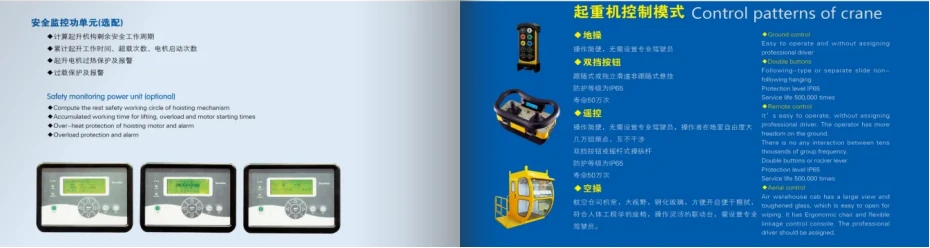
11.Control Mode
1. Wired Control Mode:
Control Station: A wired pendant control is commonly used for flameproof cranes. The control station is designed with flameproof enclosures to prevent sparks or heat from igniting the surrounding environment.
Control Circuit: The crane's electrical control system is isolated and protected to ensure no accidental discharge of energy that could cause a spark.
Safety Standards: The wiring and components used in the control system must comply with international standards such as ATEX, IECEx, or other relevant safety certifications.
2. Wireless Control Mode:
Remote Control: In some applications, a wireless control system is used. This allows the operator to control the crane from a safe distance, reducing the risk of exposure to hazardous environments.
Explosion-Proof Transmitter/Receiver: Wireless transmitters and receivers used in flameproof cranes are designed to meet strict explosion-proof standards to prevent the risk of ignition.
Battery-Powered: The control devices are typically battery-powered and must be regularly maintained to ensure proper functioning.
12.Sketch
Main technical

Advantages
Safety in Hazardous Environments: Flameproof cranes are built to operate in areas with explosive gases, vapors, or dust. The primary advantage is the prevention of ignition sources that could lead to explosions or fires.
Enhanced Durability: These cranes are built with special materials and enclosures that can withstand extreme temperatures and harsh environments, ensuring long-lasting performance in challenging conditions.
Compliance with Safety Regulations: Flameproof cranes comply with international safety standards such as ATEX (EU) or IECEx (International), ensuring they meet stringent safety requirements for operations in explosive atmospheres.
Operational Reliability: Their construction ensures that all electrical components are enclosed in flameproof housings, preventing any sparks or heat from escaping into the surrounding environment.
Application
Oil and Gas Industry: In oil refineries, offshore rigs, or petrochemical plants, where flammable gases and chemicals are present, flameproof cranes are crucial for material handling, lifting equipment, and maintenance.
Chemical Plants: In facilities where volatile chemicals or gases are processed or stored, flameproof cranes help in lifting heavy equipment, raw materials, and finished products without triggering a fire or explosion risk.
Mining Industry: In underground or open-pit mining operations, especially when handling explosive materials, flameproof cranes are used to avoid any risk associated with combustible dust or gases.
Pharmaceuticals: Some pharmaceutical manufacturing processes involve volatile solvents or powders, and flameproof cranes are used to ensure the safety of these environments.
Power Generation: In power plants, particularly those that use coal, gas, or biomass, flameproof cranes help move heavy components while maintaining safety standards in explosive environments.
Crane production procedure
1. Design and Engineering
Requirements Analysis: Understand the application and specific needs (e.g., hazardous locations like chemical plants or oil refineries).
Safety Standards Compliance: Adhere to local and international safety standards, such as IECEx, ATEX, or UL certifications for flameproof equipment.
Design Parameters: Design the crane with flameproof enclosures, appropriate materials, and explosion-proof motors and control systems.
Engineering Calculations: Perform stress, load, and safety calculations to ensure the crane can handle operational loads in hazardous areas.
2. Material Selection
Explosion-Proof Materials: Use materials that are resistant to corrosion and can withstand harsh environments, like stainless steel or special alloys.
Flameproof Enclosures: Select electrical components (motors, controllers, etc.) with flameproof enclosures that meet the required safety certifications.
Weather Resistance: Ensure that materials are also weather-resistant and able to handle high temperatures, humidity, and potential chemical exposure.
3. Fabrication and Assembly
Structural Components: Fabricate the crane structure (booms, frames, and towers) using high-strength steel, ensuring all welding and joints meet the required strength and safety standards.
Flameproof Housing: Manufacture the electrical enclosures, ensuring they are tightly sealed and capable of withstanding an internal explosion without allowing flames or hot gases to escape.
Integration of Systems: Install the mechanical systems, including hoisting mechanisms, motors, and control systems. Ensure that the flameproof motor is installed within a sealed enclosure.
4. Electrical Systems and Controls
Explosion-Proof Electrical Components: Install flameproof motors, cables, and switchgear, which are designed to prevent sparks or arcs that could ignite explosive gases.
Control System: Implement a control system that is compatible with flameproof enclosures and can manage all operations safely. This may involve remote controls, variable speed drives, or safety interlocks.
Power Supply: Ensure the power supply system is reliable, with additional protections against short circuits or overloading.
5. Testing and Quality Control
Pressure Testing: Test all enclosures to ensure they can withstand internal pressures in case of an explosion.
Safety and Functional Testing: Perform operational tests to verify that all crane functions (lifting, moving, rotating) work as expected. This includes load tests, safety feature checks (overload protection, emergency stops), and electrical safety tests.
Inspection for Flameproof Rating: Inspect the crane and all electrical components to confirm they meet the required flameproof (Ex d) certification.
6. Installation and Commissioning
Site Assessment: Review the installation site to ensure it meets the safety guidelines for hazardous locations (e.g., proper ventilation and adequate space).
Installation: Install the crane at the intended location, ensuring it's properly grounded and all connections are flameproof and secure.
Final Inspection: Conduct a thorough inspection of the crane once installed, ensuring all systems are functioning and compliant with relevant standards.
7. Maintenance and Certification
Regular Inspections: Perform periodic checks to ensure continued compliance with safety standards and verify the crane's performance.
Certification Renewals: Revalidate flameproof certifications as required by local or international authorities.
Training: Train operators and maintenance personnel on how to safely use and maintain the crane in hazardous environments.

Workshop view:
The company has installed an intelligent equipment management platform, and has installed 310 sets (sets) of handling and welding robots. After the completion of the plan, there will be more than 500 sets (sets), and the equipment networking rate will reach 95%. 32 welding lines have been put into use, 50 are planned to be installed, and the automation rate of the entire product line has reached 85%.
Hot Tags: flame proof crane, China flame proof crane manufacturers, suppliers, factory, Single Beam Explosion Proof Overhead Crane, Double Beam Explosion Proof Overhead Crane, Explosion Proof Overhead Crane
Previous
No InformationYou Might Also Like


Send Inquiry