










Explosion-proof Bridge Crane
Products Description
1.An explosion-proof bridge crane is a specialized type of crane designed for use in hazardous environments where there is a risk of explosion due to the presence of flammable gases, vapors, or dust. These cranes are engineered with safety features and materials that prevent the possibility of igniting these hazardous substances.
2.Overview The explosion-proof bridge crane is an essential lifting solution for industries such as chemical, petrochemical, oil and gas, mining, and other sectors where explosive atmospheres are present. This crane is built to meet stringent safety standards, ensuring that it operates safely and efficiently even in potentially dangerous environments.
3.Conclusion Explosion-proof bridge cranes are a critical safety solution for industries operating in hazardous environments. With their robust construction, advanced safety features, and compliance with international standards, these cranes provide reliable, safe, and efficient lifting capabilities, minimizing the risk of accidents and ensuring operational continuity.
Warranty:1 Year
Weight (KG):20000 kg
Warranty:1 Year
Weight (KG):20000 kg
Max. Lifting Load:75ton
Span:10.5-31.5m
Product Name:Explosion-proof Overhead Crane
Electric current:380V/50HZ, three-phase
Lifting height:12-22m
Working level:A4

Pictures & Components
1.Main beam
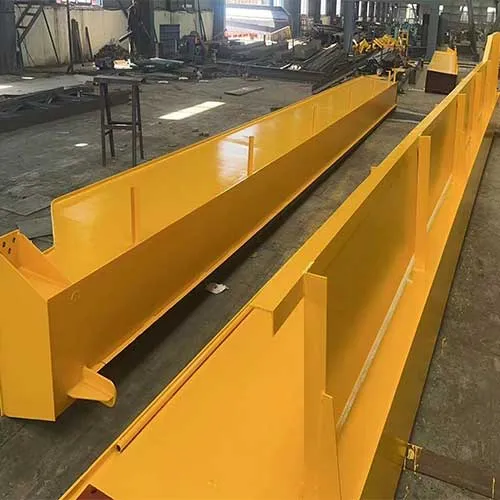
1.The main beam of an explosion-proof bridge crane is a critical structural component that supports the crane's overall lifting mechanism and facilitates the horizontal movement of the load across the workspace. Given the hazardous environments in which explosion-proof cranes operate, the design and construction of the main beam must meet stringent safety standards to prevent any potential risks of igniting explosive atmospheres.
2.Key Features of the Main Beam:
Robust Construction:
Material: The main beam is typically constructed from high-strength steel, which provides the necessary durability and load-bearing capacity. The material is often selected for its non-sparking properties to reduce the risk of ignition.
Design: The beam is designed to handle heavy loads and resist bending or twisting, ensuring stability during operation. Common designs include box girders or I-beams, depending on the load capacity and span required.
Explosion-Proof Design Considerations:
Sealed Joints and Connections: To prevent the accumulation of flammable gases or dust within the beam structure, all joints, welds, and connections are carefully sealed. This design reduces the risk of ignition from internal or external sparks.
Surface Treatment: The main beam often undergoes special surface treatments, such as galvanization or coating with non-sparking, anti-corrosive materials, to protect against corrosion and reduce friction-generated sparks.
3.The main beam of an explosion-proof bridge crane is a vital component that not only supports the mechanical functions of the crane but also plays a crucial role in maintaining safety in hazardous environments. Through careful design, material selection, and integration of safety features, the main beam ensures reliable and secure operation, preventing the risks associated with explosive atmospheres.

Lifting System
1.The lifting system of an explosion-proof bridge crane is the core component responsible for raising, lowering, and positioning loads safely within hazardous environments. Given the potential presence of flammable gases, vapors, or dust, the lifting system is engineered with specialized features to ensure that it does not generate sparks or excessive heat, which could lead to explosions.
2.The hoist is the primary lifting mechanism, designed to lift and lower loads. In explosion-proof cranes, the hoist is encased in an explosion-proof enclosure that prevents sparks from escaping and ensures that all electrical connections are sealed.The hoist motor is specially designed to prevent overheating and is housed in an explosion-proof casing. It often includes thermal protection to shut down the motor in case of excessive heat.
3.The lifting system of an explosion-proof bridge crane is designed to comply with international safety standards, such as ATEX, NEC, and IECEx. Compliance ensures that the crane is suitable for use in explosive atmospheres, minimizing the risk of accidents and ensuring safe operation.
4.The lifting system of an explosion-proof bridge crane is a highly engineered solution designed to handle loads safely and efficiently in hazardous environments. With explosion-proof components, precise control systems, and robust safety features, it ensures that operations are carried out without the risk of igniting explosive atmospheres, thereby protecting both personnel and assets.


End Carriages
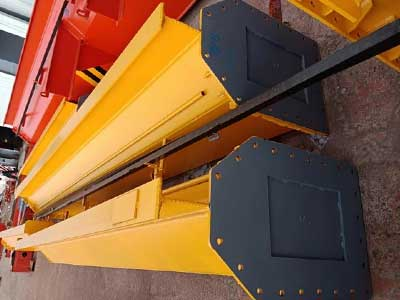
1.The end carriages of an explosion-proof bridge crane are critical components that support and move the crane's main beam along the runway rails. These carriages are designed to ensure safe and smooth operation in hazardous environments, where explosive gases, vapors, or dust may be present. Like other parts of the explosion-proof crane, the end carriages are built to meet stringent safety standards to prevent any ignition sources.
2.The end carriages are typically made from high-strength steel, providing the necessary durability and support for the crane's main beam and load. The materials are selected for their resistance to corrosion and their non-sparking properties.
3.The end carriages of an explosion-proof bridge crane are essential for the safe and efficient movement of the crane along its runway. With robust construction, explosion-proof drive systems, non-sparking materials, and integrated safety features, these components ensure that the crane operates reliably in hazardous environments. Properly designed and maintained end carriages are crucial for preventing accidents and ensuring the overall safety of the crane system in explosive atmospheres.

Crane travelling mechanism
1.The crane traveling mechanism of an explosion-proof bridge crane is responsible for moving the entire crane along the runway beams. This mechanism ensures the smooth and controlled movement of the crane across the working area, allowing for precise positioning of the load. Given the hazardous environments in which these cranes operate, the traveling mechanism is designed with special safety features to prevent any risks of ignition.
2.The drive motors are enclosed in explosion-proof housings to prevent the emission of sparks or hot gases that could ignite flammable substances. These motors are specifically designed to operate safely in explosive atmospheres and are typically equipped with thermal protection to prevent overheating.
3.Conclusion
The crane traveling mechanism of an explosion-proof bridge crane is a sophisticated system designed to ensure safe and reliable movement of the crane in hazardous environments. With explosion-proof drive motors, non-sparking wheels, precise control systems, and integrated safety features, this mechanism is essential for preventing accidents and ensuring the smooth operation of the crane. Proper design, installation, and maintenance of the traveling mechanism are crucial for maintaining safety and operational efficiency in explosive atmospheres.
5.Trolley travelling mechanism
1.The trolley traveling mechanism of an explosion-proof bridge crane is responsible for the horizontal movement of the trolley along the main beam of the crane. This mechanism allows the hoist and the load to be precisely positioned across the working area. Given the hazardous environments in which explosion-proof cranes operate, the trolley traveling mechanism is engineered to meet stringent safety standards, ensuring it operates safely without risking ignition of explosive gases, vapors, or dust.
2.The trolley frame supports the hoist and other lifting components. It is typically made from high-strength steel or similar materials, capable of withstanding the stresses of heavy lifting while maintaining structural integrity.The entire trolley assembly, including the frame, is designed to meet explosion-proof standards, ensuring that all components are properly sealed and protected against potential sources of ignition.
Conclusion
3.The trolley traveling mechanism of an explosion-proof bridge crane is a critical system that ensures the safe and efficient movement of the hoist and load along the crane's main beam. With explosion-proof drive motors, non-sparking wheels, precision control systems, and integrated safety features, this mechanism is essential for maintaining safety in hazardous environments. Proper design, maintenance, and operation of the trolley traveling mechanism are crucial for ensuring reliable and safe crane operations in explosive atmospheres.
6.Crane wheel
1.The crane wheel of an explosion-proof bridge crane is a vital component that supports the crane's movement along the runway rails. These wheels are designed to operate safely in hazardous environments, where the presence of explosive gases, vapors, or dust requires stringent safety standards. The design and materials used in the crane wheels ensure they do not generate sparks or excessive heat, which could ignite flammable substances.
2.The wheels are typically made from high-strength, non-sparking materials such as bronze, certain types of cast iron, or specialized alloys. These materials are chosen because they minimize the risk of generating sparks when the wheels contact the rails.The wheels often have a smooth surface finish to reduce friction and the potential for sparking. Additionally, they may undergo treatments like galvanization or coating with anti-sparking materials to enhance safety.
3.Conclusion
The crane wheels of an explosion-proof bridge crane are critical components that ensure the safe and smooth movement of the crane along its runway. By using non-sparking materials, precision engineering, and robust construction, these wheels play a vital role in preventing accidents and maintaining safety in hazardous environments. Proper design, regular maintenance, and compliance with safety standards are essential to ensure that the crane wheels continue to function reliably in explosive atmospheres.
 |
 |
 |
7.Crane hook
1.The crane hook of an explosion-proof bridge crane is a critical component designed for safely lifting and moving loads in hazardous environments where explosive gases, vapors, or dust may be present. The hook, like other parts of the explosion-proof crane, must meet stringent safety requirements to ensure it does not generate sparks or excessive heat, which could ignite flammable substances.
2.The hook is typically made from non-sparking materials such as bronze, copper alloys, or stainless steel. These materials are chosen because they minimize the risk of generating sparks during lifting operations.The surface of the hook may be coated with non-sparking materials or treated to enhance its resistance to friction and impact, further reducing the risk of ignition in explosive environments.
3.Conclusion
The crane hook of an explosion-proof bridge crane is a vital component that ensures safe lifting operations in hazardous environments. With non-sparking materials, robust construction, a reliable safety latch, and compliance with explosion-proof standards, the hook is designed to prevent accidents and maintain safety when handling potentially dangerous loads. Proper inspection, maintenance, and adherence to safety standards are essential to ensure the hook's ongoing reliability and safe operation in explosive atmospheres.
 |
 |
 |
8.Motor
1.The motor of an explosion-proof bridge crane is a critical component that drives the movement of the crane, including lifting, lowering, and traversing the load. Since these cranes are often used in environments with explosive gases, vapors, or dust, the motors must be specially designed to prevent any possibility of ignition. Explosion-proof motors are built with specific features to ensure safety and compliance with stringent industry standards.
2.The motor is enclosed in a robust, sealed housing that prevents any internal sparks, arcs, or hot surfaces from igniting the surrounding atmosphere. The enclosure is designed to contain any explosion that might occur within the motor, preventing it from propagating outside.The housing is typically made from cast iron, steel, or other durable materials that can withstand high pressure and impact, ensuring the motor's integrity in harsh environments.
3.Conclusion
The motor of an explosion-proof bridge crane is a critical component designed to operate safely in hazardous environments. With features like a sealed explosion-proof enclosure, advanced cooling systems, thermal and overload protection, and compliance with international safety standards, these motors ensure the crane operates reliably without risking ignition of explosive substances. Proper design, maintenance, and adherence to safety standards are essential to ensure the motor's ongoing safe operation in explosive atmospheres.

.

9.Sound and light alarm system & limit switch
1.The sound and light alarm system and limit switches in an explosion-proof bridge crane are crucial components for ensuring safe and reliable operation in hazardous environments where explosive gases, vapors, or dust may be present. These systems help prevent accidents by providing alerts to operators and automatically stopping the crane to avoid unsafe conditions.
2.Sound and Light Alarm System
Purpose: The sound and light alarm system is designed to alert operators and other personnel to critical conditions, such as the crane reaching its operational limits or the presence of emergency situations. These alarms are essential for maintaining safety in explosive atmospheres by ensuring that any potential hazards are promptly communicated.
3.Limit Switches
Purpose: Limit switches are critical for preventing the crane from exceeding its safe operational limits. They automatically stop the crane's movement when it reaches predefined positions, such as the ends of the runway or the maximum lifting height, to prevent damage or accidents.
4.Conclusion
The sound and light alarm system and limit switches in an explosion-proof bridge crane are crucial for ensuring safety and preventing accidents in hazardous environments. The alarm system provides audible and visual warnings to alert personnel to critical conditions or emergencies, while limit switches prevent the crane from exceeding its operational limits. Both systems are designed with explosion-proof features to maintain safety in environments where explosive gases, vapors, or dust are present. Proper maintenance, regular testing, and adherence to safety standards are essential to ensure the reliable operation of these systems and the overall safety of the crane

10.Safety Devices
1. Explosion-Proof Motors
Features: Designed with robust, sealed housings to prevent ignition sources from escaping. They include thermal protection to prevent overheating and are compliant with explosion-proof standards like ATEX, NEC, or IECEx.
2. Limit Switches
Purpose: Automatically stop the crane when it reaches predefined limits (e.g., maximum lifting height or travel limits) to prevent over-travel and potential damage.
Features: Explosion-proof housings, accurate mechanical actuation, and fail-safe design.
3. Sound and Light Alarm System
Purpose: Alerts operators and personnel to critical conditions or emergencies.
Features: Explosion-proof sound alarms (e.g., horns) and visual alarms (e.g., strobe lights), integrated with the crane's control system.
4. Overload Protection
Purpose: Prevents the crane from lifting loads that exceed its rated capacity.
Features: Load cells or pressure sensors that monitor the load and trigger an alarm or stop the crane if the load exceeds safe limits.
5. Emergency Stop System
Purpose: Provides a means to immediately stop all crane movements in case of an emergency.
Features: Easily accessible emergency stop buttons, integrated into the control system and designed to be explosion-proof.
6. Anti-Collision System
Purpose: Prevents collisions with other cranes or objects in the operational area.
Features: Sensors and control systems that detect the presence of obstacles and automatically stop or slow down the crane to avoid collisions.
7. Safety Latches
Purpose: Secures the load on the crane hook and prevents accidental release.
Features: Automatic or manual latching mechanisms, designed to be explosion-proof and reliable.
8. Temperature Monitoring
Purpose: Monitors the temperature of critical components to prevent overheating.
Features: Temperature sensors and alarms that activate if temperatures exceed safe levels.
11.Control Mode
1. Manual Control
Description: Manual control involves using physical controls to operate the crane. This mode allows the operator to have direct control over the crane's movements.
2. Remote Control
Description: Remote control allows the crane to be operated from a distance, which can enhance safety and convenience, especially in hazardous environments.
3. Cab Control
Description: Cab control involves operating the crane from a dedicated operator's cab, which can be located on the crane or on the ground.
4. Automated Control
Description: Automated control involves the use of computer systems and software to control crane operations with minimal manual intervention.
5. Integrated Control Systems
Description: Integrated control systems combine multiple control modes into a cohesive system, allowing for flexibility and redundancy.
6. Emergency Stop System
Description: An emergency stop system is crucial for quickly halting crane operations in case of an emergency.

12.Sketch

Main technical data

Advantages
1.Enhanced Safety in Hazardous Environments
Explosion Prevention: Explosion-proof bridge cranes are designed to prevent ignition sources, reducing the risk of explosions or fires in environments with explosive atmospheres.
Compliance with Standards: They meet strict international standards such as ATEX, NEC, or IECEx, ensuring that all components are tested and certified to operate safely in hazardous conditions.
2. Robust Construction
Durable Materials: Constructed with explosion-proof materials such as heavy-duty steel or cast iron, these cranes are built to withstand harsh environmental conditions.
Sealed Enclosures: Components like motors, control panels, and limit switches are housed in sealed, explosion-proof enclosures to prevent the ingress of dust or moisture.
3. Reliable Operation
Reduced Risk of Failure: The use of explosion-proof components minimizes the risk of electrical faults, overheating, or mechanical failure that could lead to hazardous situations.
Consistent Performance: Designed to operate reliably in extreme conditions, these cranes provide consistent performance even in challenging environments.
4. Improved Safety Features
Advanced Safety Devices: Equipped with safety features such as overload protection, limit switches, sound and light alarms, and emergency stop systems to ensure safe operation.
Safety Interlocks: These cranes include safety interlocks and automatic stop mechanisms to prevent unsafe operation and protect personnel.
5. Flexibility in Operation
Multiple Control Modes: Options for manual, remote, cab, and automated control provide flexibility in how the crane is operated, allowing for adaptability to various operational needs.
Integration with Existing Systems: Can be integrated with existing industrial systems and automation technologies for enhanced functionality and efficiency.
Application
1.Oil and Gas Industry
Refineries: Used for handling heavy equipment, maintenance, and transportation of materials within refineries where volatile chemicals and gases are present.
Petrochemical Plants: Operate in areas with high concentrations of flammable chemicals, where explosion-proof cranes ensure safe material handling and processing.
2. Chemical Manufacturing
Chemical Plants: Used in areas where flammable or explosive chemicals are processed or stored. Explosion-proof bridge cranes help in safely handling chemicals and equipment.
Pharmaceutical Manufacturing: In pharmaceutical plants where explosive powders or solvents are used, explosion-proof cranes prevent potential ignition and ensure safe operation.
3. Mining Industry
Underground Mining: Employed in underground mines where methane or other explosive gases may be present. These cranes are used for hoisting and transporting mining equipment and materials.
Surface Mining: Used in surface mining operations, particularly in areas where dust and flammable materials are present, to handle ore and equipment safely.
4. Aerospace Industry
Aircraft Maintenance: In aerospace facilities where explosive vapors or materials are used in maintenance and assembly, explosion-proof bridge cranes ensure safe handling of aircraft parts and equipment.
Fuel Handling: Used in areas where aviation fuel or other flammable substances are handled, ensuring safety during refueling or maintenance operations.
5. Power Generation
Power Plants: In power generation facilities, particularly those using fossil fuels, explosion-proof cranes handle equipment and materials in areas where flammable gases or dust may be present.
Nuclear Plants: Used for handling and transporting materials in and around nuclear plants, where safety and precision are critical.
Crane production procedure
Design: According to customer needs and site conditions, design the gantry crane's structure, size, load capacity, etc., and determine the type of crane (single-girder, double-girder, single-leg, double-leg, etc.).
Material preparation: Purchase raw materials such as steel plates, channels, I-beams, etc., and perform quality inspections.
Cutting and forming: Cut the raw materials into the required sizes and shapes, and process them into beams, legs, end beams, and other components.
Drilling and welding: Drill holes in the components for assembly and weld the parts together to form the crane's main structure.
Assembly: Assemble the mechanical and electrical components on the crane's main structure, such as hoists, pulleys, wire ropes, motors, etc.
Welding and machining: Weld the joints between the components and conduct necessary machining to ensure the accuracy of the crane's dimensions and structure.
Painting: Apply anti-rust paint or other surface treatments to the crane to protect it from corrosion and extend its service life.
Installation and commissioning: Install the crane at the designated location and carry out load testing and commissioning to ensure that it operates normally and safely.
Acceptance and delivery: Conduct acceptance checks according to relevant standards and specifications, and deliver the crane to the customer after passing the acceptance.


Workshop view
Material Inspection
Quality Inspection: Strict quality inspection is carried out on the purchased raw materials to ensure that they meet the design requirements and national standards.
Material Storage: Qualified materials are stored according to classification to prevent corrosion or damage.
Cutting and Forming
Steel Cutting: Use plasma cutting, laser cutting or flame cutting and other technologies to cut the steel according to the size of the design drawing.
Forming Processing: Form the steel plate through bending, rolling, welding and other processes to manufacture the main beam, end beam and other structural parts.
Welding
Component Welding: The cut and formed steel parts are welded into the main structures such as the main beam, end beam and trolley. The welding process needs to be strictly controlled to ensure the structural strength and welding quality.
Weld Inspection: Use non-destructive testing technology (such as ultrasonic testing, radiographic testing) to inspect the welds to ensure that there are no cracks or other defects.
Machining
Precision Machining: Precision machining is performed on the key components of the crane, such as wheel sets, bearing seats, pulleys, etc., to ensure their dimensional accuracy and surface quality.
Assembly of the whole machine
General assembly: On the basis of pre-assembly, the overall assembly of the crane is carried out, including the final installation of the main beam, end beam, lifting mechanism, walking mechanism, etc.
Commissioning and testing
Under dynamic conditions, the operating performance of the crane is tested, including the testing of lifting, walking, steering and other functions. The overall size of the assembled bridge crane is checked to ensure that all dimensions meet the design requirements.
Spraying and anti-corrosion treatment
Surface treatment Rust removal: Rust removal on the surface of the crane, common methods include sandblasting, pickling, etc. Primer spraying: Spray anti-corrosion primer on the treated surface to prevent metal oxidation and corrosion. Topcoat spraying Color spraying: Spray topcoat according to customer requirements or industry standards to give the crane a protective and decorative effect. Marking: After spraying, mark the crane's identification information in accordance with the specifications, such as model, rated load, etc.
Factory and installation
Packaging and transportation
Packaging protection: Protectively package the key components of the crane to prevent damage during transportation. Transportation arrangement: According to the equipment size and transportation conditions, select a suitable transportation method to transport the crane to the customer's site.
Acceptance and delivery
Customer acceptance
On-site acceptance: The customer conducts on-site acceptance of the crane according to the contract requirements and technical specifications to check the performance and quality of the equipment.
Problem rectification: If any problems are found, the manufacturer needs to rectify them in time to ensure that the equipment fully meets the customer's requirements. Delivery and use Operation training: The manufacturer usually trains the customer's operators to ensure that they can operate the crane correctly and safely.


Hot Tags: explosion-proof bridge crane, China explosion-proof bridge crane manufacturers, suppliers, factory, Double Beam Explosion Proof Overhead Crane, Explosion Proof Overhead Crane, Single Beam Explosion Proof Overhead Crane
You Might Also Like


Send Inquiry