








Double Hook Bridge Crane
Product Introduction
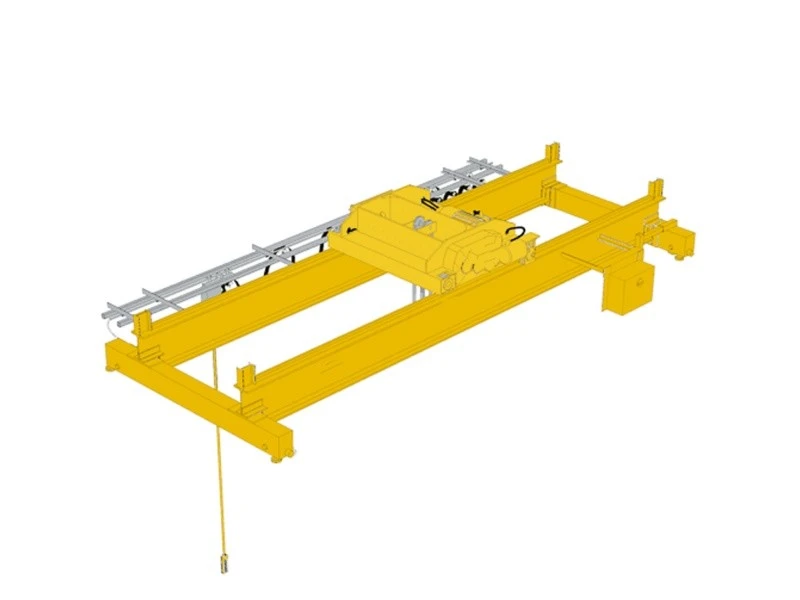
The double hook bridge crane is a type of lifting equipment that is designed to lift and transport heavy loads in industrial settings. It consists of two hooks, which are attached to the bridge girder of the crane. The bridge girder is supported by two end trucks that run along the runway beams. This crane can be operated either manually or electrically, depending on the specific design.
2.One of the main advantages of the double hook bridge crane is its ability to handle two loads simultaneously, which makes it highly efficient for tasks such as loading and unloading trucks, moving materials between production lines, or transferring goods between different levels of a facility. Additionally, this crane can be equipped with various types of lifting accessories, such as grabs, magnets, and spreader bars, making it versatile for a wide range of applications.
3.The double hook bridge crane is available in various capacities, ranging from a few tons to several hundred tons, depending on the specific needs of the user. It is also available in different configurations, such as single girder or double girder, top running or underhung, and with or without maintenance platforms. Overall, the double hook bridge crane is a reliable and efficient solution for handling heavy loads in industrial environments.
Max. Lifting Height:6-18m
Warranty:1 Year
Weight (KG):10000 kg
Max. Lifting Load:32t
Span:10.5-31.5m
Power Source:3 Phase 380V 50hz
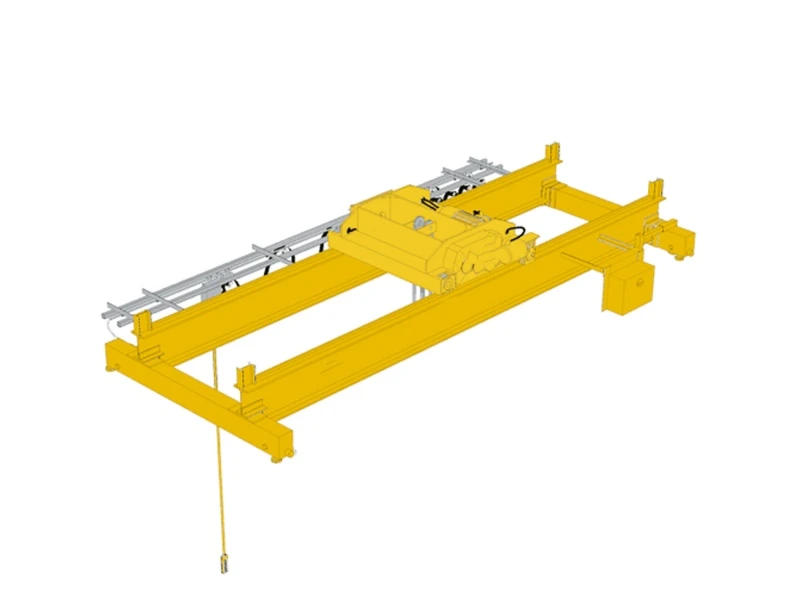
Pictures & Components
1.Main girder
1)The main beam of the double-hook bridge crane is the key structural part of the crane, which mainly bears and transmits the lifting load.The design and manufacturing quality of the main beam is directly related to the performance and service life of the whole crane. In the double-hook bridge crane, a track is laid on the main beam for the lifting trolley to move laterally along the direction of the main beam. This design allows the crane to be fitted with two hooks at the same time, increasing operational efficiency.
Lifting System
1.The lifting system of double-hook bridge crane includes lifting mechanism, trolley moving mechanism and trolley moving mechanism.
2.Lifting mechanism is the core part of the crane, which is composed of lifting motor, reducer, drum, brake and so on. The lifting motor is connected with the reducer through the coupling, the brake wheel, and the output shaft of the reducer is connected with the coil of the wire rope, and the other end of the wire rope is installed with a hook. As the reel rotates, the hook rises or falls with the winding or release of the wire rope on the reel. For cranes with lifting weights of 15 tons and above, there are usually two sets of lifting mechanisms, namely the main hook and the auxiliary hook, for lifting tasks of different weights.

End Carriages
Double hook bridge crane is a common lifting equipment, widely used in factories, warehouses, construction sites and other places. It is mainly composed of main beam, end beam, trolley, motor, control system and other components. The end beam is one of the important components of double hook bridge crane, which plays the role of supporting the main beam and fixing the crane on the track.
The end carriages is usually made of high-strength steel and undergoes strict processing and welding processes to ensure its load-bearing capacity and service life. The design also takes into account stress distribution, fatigue resistance, and ease of installation and maintenance.
3.The end carriages of a double-hook bridge crane has an important impact on the performance of the entire crane, so special attention needs to be paid during the design, manufacturing and installation process to ensure the normal operation and safe use of the equipment.


Crane traveling mechanism
The crane traveling mechanism plays a vital role in the overall performance of the double hook bridge crane. Its design and maintenance directly affect the service life and operation safety of the crane.
2.In order to ensure the long-term reliability and safety of the trolley running mechanism, the following points need to be considered during design:
Load calculation: Accurately calculate the trolley load capacity during operation to select the appropriate motor, reducer and wheel.
Anti-fatigue design: Key components such as wheels, bearings, reducers, etc. should have good fatigue resistance to extend service life.
Regular maintenance: Regularly check and maintain the trolley running mechanism, especially the wear of the lubrication system, wheels and tracks, to ensure long-term stable operation.
3.The motor is the driving force source of the crane travel mechanism. The power of the motor will vary depending on the tonnage and operating requirements of the crane. Usually, the crane travel mechanism of a double-hook bridge crane will use a dual drive motor to ensure stronger driving force and smooth operation.
Trolley traversing mechanism
1.The trolley mechanism of a double-hook bridge crane is an important part of the crane, responsible for driving the trolley to move horizontally on the main beam. Through the movement of the trolley, the crane can accurately position and transport materials within the working range. The design and performance of the trolley mechanism directly affect the operating efficiency and safety of the crane.
2.The trolley frame is the skeleton structure of the trolley running mechanism, which is used to support and fix the various components on the trolley. It is usually welded from steel and has sufficient strength and rigidity to withstand the various forces during lifting and operation.The motor is the main driving force for the trolley, responsible for driving the trolley to move on the main beam. The power of the motor will vary depending on the tonnage and operating requirements of the crane. The motor is usually adjusted in speed through a frequency converter to achieve smooth starting, acceleration, deceleration and stopping of the trolley.
3.The trolley operating mechanism plays a vital role in the double hook bridge crane, which directly affects the working efficiency and accuracy of the crane. Through reasonable design and regular maintenance, the trolley operating mechanism can work stably for a long time, ensuring the safety and reliability of the entire crane system.
Crane wheel
1.The wheels of a double-hook bridge crane are key mechanical components in its operating mechanism, responsible for supporting the weight of the crane and allowing it to move smoothly along the track. The design and quality of the wheels directly affect the smoothness of the crane's operation, the noise level, and the life of the track and the wheel itself.
2.The structure of the wheel is generally solid or hollow, and solid wheels are more common and have higher durability. The outer edge of the wheel is usually designed as a rim to reduce friction with the track and prevent the wheel from derailing. The wheel will be repeatedly worn during use, so the selection of materials and surface treatment need to take wear resistance into consideration. Wheels with good wear resistance can reduce maintenance frequency and extend service life.
3.The wheels of a double-hook bridge crane play a vital role in the entire crane system. Reasonable design, fine manufacturing and effective maintenance can ensure the stability and durability of the wheel during operation, thereby ensuring the overall performance and safety of the crane.
 |
 |
 |
Crane hook
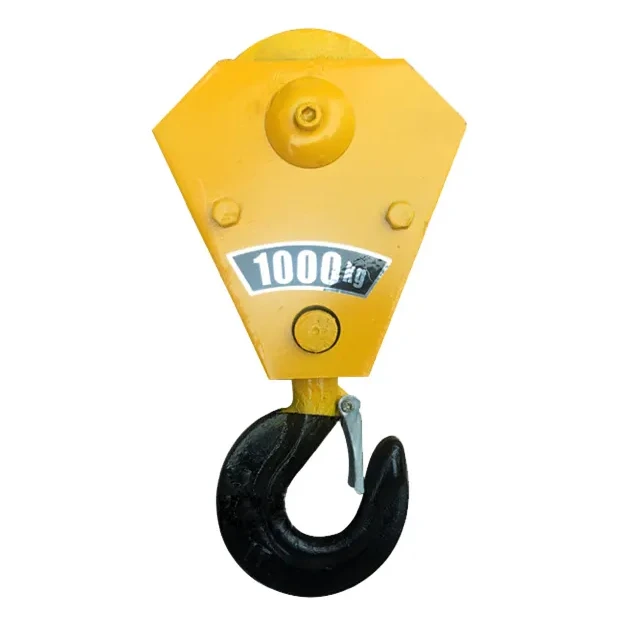
1.The hook of a double hook bridge crane is one of the core components of the crane, used to grab, lift and move heavy objects. The design and quality of the hook directly affect the safety and efficiency of the lifting operation. The hook body is the main part of the hook, usually forged from high-strength alloy steel to withstand huge tension and impact forces. The shape of the hook body is usually C-shaped or U-shaped, and the design must take into account both the grabbing capacity and the uniformity of the force. In order to prevent the object from accidentally slipping, the hook is usually equipped with an anti-slip device, such as a safety buckle or a locking device. The anti-slip device ensures that the object will not detach from the hook during the lifting process.
2.The hook of a double-girder bridge crane is a key component that directly affects the safety and efficiency of the entire lifting operation. Reasonable design, high-quality materials and regular maintenance can ensure that the hook works stably and safely under various working conditions.
 |
 |
 |
Motor
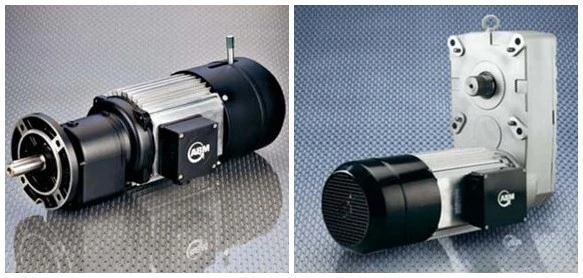
1.The motor of a double-hook bridge crane is its core driving device, responsible for providing power so that the crane can complete various lifting, handling and positioning operations. The selection, configuration and performance of the motor directly affect the working efficiency, operating stability and operational safety of the crane.
2.The motor provides the main power source for the crane, responsible for starting and driving the movement of the trolley, car and hook. When starting, the motor needs to have sufficient starting torque to overcome static friction and drive the load to start. The power of the motor should be selected according to the working requirements, load capacity and working environment of the crane. Excessive or insufficient power will affect the operating efficiency and safety of the crane. The electrical connection of the motor should be firm and reliable to prevent looseness or poor contact. At the same time, the motor should be equipped with safety devices such as overload protection, short circuit protection and undervoltage protection to prevent damage caused by electrical failure.

. 
Sound and light alarm system & limit switch
1.The sound and light alarm system and limit switch of the double-beam bridge crane are important components to ensure the safe operation of the equipment. These systems and devices can timely warn and automatically control the operation of the crane to prevent accidents and ensure the safety of operators and equipment.
2.During the operation of the crane, the sound and light alarm system sends out sound and light signals to remind the surrounding personnel that the crane is in operation and pay attention to safety. This is especially important for operating environments with dense personnel or high noise. When the crane fails or an abnormal situation occurs (such as overload, overheating, etc.), the sound and light alarm system will automatically start to remind the operator to take timely measures.
3.The limit switch is used to detect the movement limit position of the crane or trolley to prevent it from exceeding the safety range. It can effectively prevent the crane from running to an unexpected position and avoid accidents such as collision or derailment. When the crane or trolley reaches the set limit position, the limit switch will automatically cut off the power supply or send a stop signal to stop the equipment from moving, thereby protecting the safety of the crane and its surroundings.
The sound and light alarm system and limit switch of the double-beam bridge crane are important devices to ensure safe operation. They play the role of early warning, protection and automatic control in daily operation. Through reasonable design, regular inspection and maintenance, operational risks can be greatly reduced and the safety and reliability of equipment can be improved.

Safety Devices
1.The safety devices on a double hook overhead crane are crucial for ensuring the safe operation of the crane, protecting both personnel and equipment from accidents. These devices are designed to prevent overload, control movements, and alert operators to potential hazards.
2.These safety devices are integral to the safe operation of double hook overhead cranes. Regular inspection, maintenance, and testing of these devices are essential to ensure they function correctly, thereby protecting both personnel and equipment from accidents and operational failures.
Control Mode
1.The control mode of a double hook bridge crane refers to the way and technology of operating the crane to ensure its safe, precise and efficient operation. Different control modes are suitable for different working environments and task requirements.
2.The manual control mode is the most basic operation mode, and the operator directly controls all the movements of the crane, including the lifting, lowering, lateral movement and longitudinal movement of the hook. The wireless remote control operates the crane, allowing the operator to safely control its operation from a distance from the crane. The master controller (joystick) controls the various movements of the crane. The operator can control the direction and speed of the crane by moving the joystick forward, backward, left and right. The crane automatically performs specific tasks according to the preset program, and the operator only needs to start the operation program without manual intervention in each step. Remote monitoring and control mode uses modern communication technology, and the operator can remotely monitor and control the operation status of the crane through a computer or mobile device.
3.The control mode of the double hook bridge crane is diversified and can adapt to different working environments and operation requirements. From manual control to fully automatic control, each mode has its unique advantages and applicable occasions. Choosing the right control mode can greatly improve the efficiency, safety and accuracy of the operation.

Sketch

Main technical data

Advantages
1. Wide range of applications
Multiple working environments: Double hook bridge cranes can be used indoors and outdoors, suitable for various working environments, such as factory workshops, warehouses, ports, shipyards, etc.
Various applications: It can be used not only for general material handling, but also for specific industrial tasks, such as assembly, maintenance, installation of large equipment, etc.
2. Reliability and durability
Sturdy structure: Double hook bridge cranes are usually made of high-strength materials, with good durability and fatigue resistance, and can work stably under harsh conditions for a long time.
Low maintenance requirements: The design is simple and effective, with low maintenance costs, low equipment failure rate, and reduced downtime.
3. Improve production efficiency
Reduce labor requirements: Double hook bridge cranes are able to handle complex lifting tasks, reduce dependence on labor, and improve overall production efficiency.
Reduce repetitive operations: Since multiple lifting points can be operated at one time, the number of repeated lifting and handling is reduced, and the operation process is accelerated.
4. Strong environmental adaptability
Weather resistance: Many double hook bridge cranes are designed to be used in various harsh environments, including high temperature, low temperature, humid or corrosive gas environments.
Adapt to different track systems: It can adapt to track systems of different types and spans, with strong flexibility.
5. Customized options
Flexible configuration: It can be customized according to specific operation requirements and site conditions, including the number of hooks, hoisting speed, control system, etc., to maximize user needs.
Application:
1. Heavy machinery manufacturing
Large equipment assembly: Double hook bridge cranes are widely used in heavy machinery manufacturing plants for lifting and assembling large machinery parts, such as generators, compressors, wind turbine components, etc.
Production line handling: In the production line of heavy equipment, double hook bridge cranes are used to handle and position large components to ensure the efficiency and precision of the assembly process.
2. Ports and docks
Container loading and unloading: Double hook bridge cranes are used for container loading and unloading operations at ports and docks. It can handle oversized or overweight containers and ensure their stability during transportation.
Cargo handling: In addition to containers, double hook bridge cranes are also used to handle large cargo such as steel, wood and heavy equipment, and can complete loading and unloading tasks quickly and safely.
3. Construction sites
Large component lifting: In large construction projects, double hook bridge cranes are used to lift and position steel beams, precast concrete components and other building materials. Its double hook design ensures the stability of objects and reduces the risk of tilting and collision.
Tower crane component handling: In the construction of high-rise buildings, double-hook bridge cranes are used to lift and install various components of tower cranes, such as booms, counterweights, and foundation components.
4. Power industry
Power generation equipment installation: In power plants, double-hook bridge cranes are used to lift and install generators, transformers, boilers, and other large equipment. It can accurately locate these key equipment to ensure smooth installation.
Overhaul and maintenance: Double-hook bridge cranes are also used for regular overhaul and maintenance of power generation equipment, especially when handling heavy components.
5. Aerospace manufacturing
Aircraft component assembly: Double-hook bridge cranes are used in aerospace manufacturing to handle and assemble large aircraft components such as wings, fuselages, and engines. Its precise operating capabilities are essential to high-standard manufacturing requirements.
Spacecraft handling: During the manufacturing and assembly of spacecraft, double-hook bridge cranes can safely and accurately handle large spacecraft components to ensure error-free operation.
6. Automotive Manufacturing
Production Line Handling: In automotive manufacturing plants, double hook bridge cranes are used to handle and position large body parts, such as frames, engines and chassis components, to ensure a smooth assembly process.
Mold Handling: Double hook bridge cranes are also used to handle heavy molds to help with stamping and forming of automotive parts.
7. Warehousing and Logistics
Bulk Material Handling: In large warehouses and logistics centers, double hook bridge cranes are used to handle and load and unload bulk materials, such as wood, sheet metal and large mechanical equipment, to ensure rapid transfer and efficient storage of materials.
Precision Item Operation: For goods that require precision handling, double hook bridge cranes can provide stable lifting operations and reduce the risk of damage to goods.
8. Nuclear Industry
Nuclear Reactor Maintenance: In nuclear power plants, double hook bridge cranes are used to lift and maintain nuclear reactor components, such as reactor cores and control rods. Their high precision and safety are essential for handling such high-risk equipment.
Radioactive Material Handling: Double hook bridge cranes are also used to handle radioactive materials, ensuring operations are performed in a safe and controlled environment.
Crane production procedure
1.Demand Analysis and Design
Demand Analysis: First, communicate with customers to clarify the specific needs of the crane, including lifting capacity, span, lifting height, operating speed and use environment.
Scheme Design: Conduct preliminary design according to the needs, including selecting the type of crane (such as bridge type, portal type, cantilever type, etc.) and determining the main technical parameters.
Detailed Design: Conduct detailed engineering design, including structural design (main beam, end beam, outrigger, etc.), electrical design (control system, drive system), and safety device design (limit switch, overload protection, etc.).
2. Material Procurement
Raw Material Procurement: According to the design requirements, purchase raw materials and accessories such as steel, motors, cables, brakes, etc. to ensure that the materials meet the quality standards.
Supply Chain Management: Select reliable suppliers to ensure the quality of materials and delivery time to meet the production schedule.
3. Steel Structure Manufacturing
Cutting: According to the design drawings, use CNC cutting machines and other equipment to cut the steel to obtain the required shape and size of the parts.
Welding: Weld the cut steel to form the main structural parts of the crane, such as the main beam, end beam and outrigger. The welding quality directly affects the strength and safety of the crane, so the welding process needs to be strictly controlled.
Heat treatment: Heat treatment of welded structural parts to eliminate welding stress and improve the mechanical properties of the material.
4. Machining
Component processing: Precision machining of key components of the crane, such as wheels, bearing seats, couplings, etc. Use lathes, milling machines, grinders and other equipment for machining to ensure the dimensional accuracy and surface quality of the parts.
Hole processing: Drill and tap the connection holes on the structural parts to ensure the accuracy of subsequent assembly.
5. Surface treatment
Rust removal: Sandblast or shot blast the steel structural parts to remove rust, oxide scale and impurities on the surface and improve the adhesion of the coating.
Coating: Apply anti-corrosion paint to the treated surface and select the appropriate coating type (such as epoxy resin, polyurethane, etc.) according to environmental requirements. The coating process usually includes three processes: primer, intermediate paint and topcoat.
6. Electrical system installation
Electrical control cabinet assembly: According to the design drawings, assemble and wire the electrical control cabinet, including the main controller, inverter, relay, contactor and other components.
Electrical wiring: Install cable trays on the crane structure, lay cables, and connect electrical components such as motors, sensors, limit switches and lighting systems.
7. Mechanical system assembly
Structural component assembly: Assemble the processed main beams, end beams, legs and other structural components to form the basic frame of the crane. Use high-strength bolts or welding to fix each connection point.
Transmission system installation: Install components such as drive motors, reducers, couplings, wheels and brakes to ensure smooth and reliable operation of the crane.
Hook assembly: Install the hook, pulley block and wire rope, and make preliminary adjustments to ensure that the hook can be lifted and lowered freely.
8. Debugging and testing
No-load debugging: Run the crane under no-load state and check the working status of each system, including the electrical system, transmission system and safety devices, to ensure that there are no abnormalities.
Load test: gradually increase the load, test the crane for rated load and overload, and verify its load-bearing capacity and safety performance. Check the crane's operating stability, braking effect, and the reliability of the limiter.
Noise and vibration test: detect the noise and vibration of the crane during operation to ensure that it meets industry standards and customer requirements.
9. Packaging and transportation
Packaging: disassemble and package the crane for transportation. Properly protect each component to prevent damage during transportation.
Transportation: select the appropriate transportation method (such as truck, ship, etc.) according to the customer's requirements to deliver the crane to the customer's site

Workshop view
Material Inspection
Quality Inspection: Strict quality inspection is carried out on the purchased raw materials to ensure that they meet the design requirements and national standards.
Material Storage: Qualified materials are stored according to classification to prevent corrosion or damage.
Cutting and Forming
Steel Cutting: Use plasma cutting, laser cutting or flame cutting and other technologies to cut the steel according to the size of the design drawing.
Forming Processing: Form the steel plate through bending, rolling, welding and other processes to manufacture the main beam, end beam and other structural parts.
Welding
Component Welding: The cut and formed steel parts are welded into the main structures such as the main beam, end beam and trolley. The welding process needs to be strictly controlled to ensure the structural strength and welding quality.
Weld Inspection: Use non-destructive testing technology (such as ultrasonic testing, radiographic testing) to inspect the welds to ensure that there are no cracks or other defects.
Machining
Precision Machining: Precision machining is performed on the key components of the crane, such as wheel sets, bearing seats, pulleys, etc., to ensure their dimensional accuracy and surface quality.
Assembly of the whole machine
General assembly: On the basis of pre-assembly, the overall assembly of the crane is carried out, including the final installation of the main beam, end beam, lifting mechanism, walking mechanism, etc.
Commissioning and testing
Under dynamic conditions, the operating performance of the crane is tested, including the testing of lifting, walking, steering and other functions. The overall size of the assembled bridge crane is checked to ensure that all dimensions meet the design requirements.
Spraying and anti-corrosion treatment
Surface treatment Rust removal: Rust removal on the surface of the crane, common methods include sandblasting, pickling, etc. Primer spraying: Spray anti-corrosion primer on the treated surface to prevent metal oxidation and corrosion. Topcoat spraying Color spraying: Spray topcoat according to customer requirements or industry standards to give the crane a protective and decorative effect. Marking: After spraying, mark the crane's identification information in accordance with the specifications, such as model, rated load, etc.
Factory and installation
Packaging and transportation
Packaging protection: Protectively package the key components of the crane to prevent damage during transportation. Transportation arrangement: According to the equipment size and transportation conditions, select a suitable transportation method to transport the crane to the customer's site.
Acceptance and delivery
Customer acceptance
On-site acceptance: The customer conducts on-site acceptance of the crane according to the contract requirements and technical specifications to check the performance and quality of the equipment.
Problem rectification: If any problems are found, the manufacturer needs to rectify them in time to ensure that the equipment fully meets the customer's requirements. Delivery and use Operation training: The manufacturer usually trains the customer's operators to ensure that they can operate the crane correctly and safely.


Hot Tags: double hook bridge crane, China double hook bridge crane manufacturers, suppliers, factory, Double Girder Bridge Crane with Electric Hoist, Bridge Crane
You Might Also Like




Send Inquiry