










150 Ton Moblie Boat Hoist Crane
Products Description
What is a 150-Ton Mobile Boat Hoist?
It is a rubber-tired, self-propelled gantry crane. Unlike a fixed crane, it moves on wheels, allowing it to travel over a vessel, position itself precisely, lift the boat, and then transport it to another location on land (e.g., a workstand, storage yard, or railway system). It's essentially a "mobile dry dock."
Comparison with Other Boat Lifting Systems
| Feature | Gantry Boat Hoist | Marine Railway | Floating Dry Dock |
|---|---|---|---|
| Mobility | High (if rubber-tired) | Low (fixed track) | Low (water-dependent) |
| Max Capacity | 10–500+ tons | 50–5,000 tons | 1,000–100,000+ tons |
| Speed | Fast (minutes) | Slow (hours) | Moderate (hours) |
| Best For | Small to medium boats | Large ships | Massive vessels |
Comparison with Other Boat Lifting Systems
| Feature | Gantry Boat Hoist | Marine Railway | Floating Dry Dock |
|---|---|---|---|
| Mobility | ✅ High (if rubber-tired) | ❌ Fixed track | ❌ Water-dependent |
| Max Capacity | 10–500+ tons | 50–5,000 tons | 1,000–100,000+ tons |
| Speed | ⚡ Fast (minutes) | 🐢 Slow (hours) | 🕒 Moderate (hours) |
| Space Needed | Compact storage | Long track area | Large water area |
| Best For | Small-medium boats | Large ships | Massive vessels |
Lifting Capacity 320 tons
Span (Width) 3 - 12 meters (adjustable)
Lifting Height 3 - 10 meters
Working Class A3-A5 (light to medium duty)
Hoisting Speed 0.5 - 8 m/min (variable)
Main Beam Type Single/double girder (box-type)
Power Supply 220V/380V 3-phase or manual
Control Mode Pendant control/wireless remote
Hoist Type Electric chain hoist/wire rope hoist
Travel Drive Manual push or motorized
Corrosion Protection Hot-dip galvanized or marine-grade paint
Wind Resistance Up to Beaufort scale 6 (for outdoor use)
Operating Temp -20°C to +50°C

Pictures & Components
Gantry Boat Hoist Components: Detailed Breakdown
A Gantry Boat Hoist (or Boat Travel Lift) consists of several critical components that work together to safely lift, move, and store boats. Below is a detailed breakdown of its key parts:
Main Girder / Bridge: The primary horizontal beam that spans the width of the vessel to be lifted. It must be incredibly rigid to prevent deflection under full load.
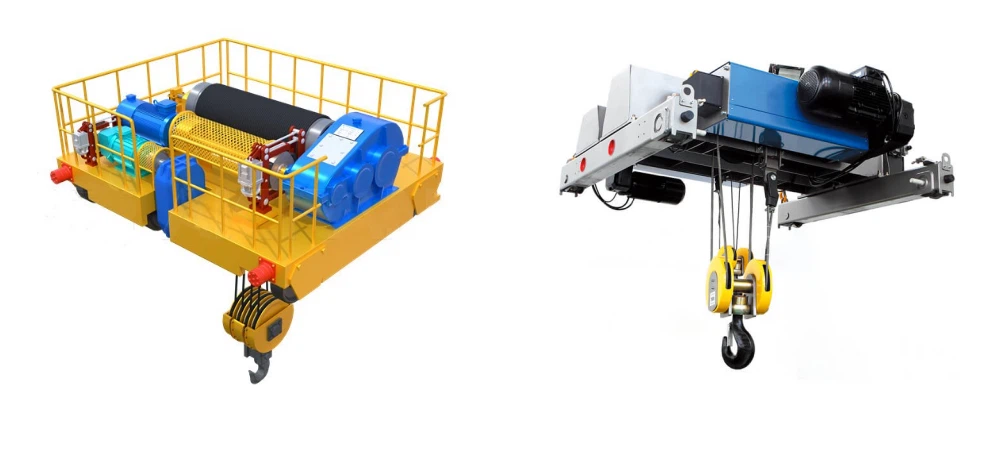
Legs / End Trucks: The vertical structures on each side that support the main girder. They house the drive systems.

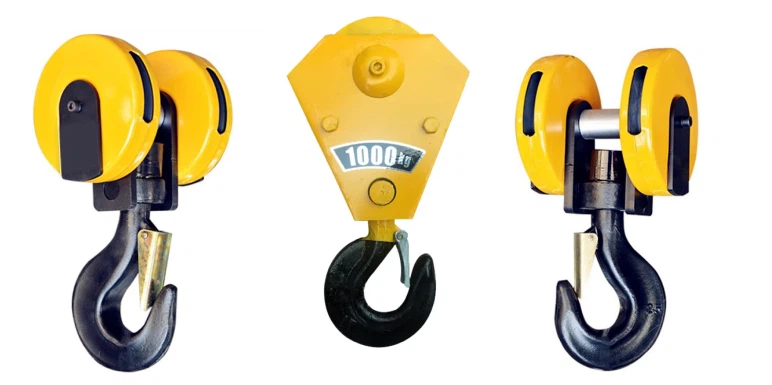
Lifting System: Typically consists of four (or more) independent electric or hydraulic hoists, each with its own wire rope and spreader bar. This system allows for a balanced and level lift, crucial for preventing hull damage.
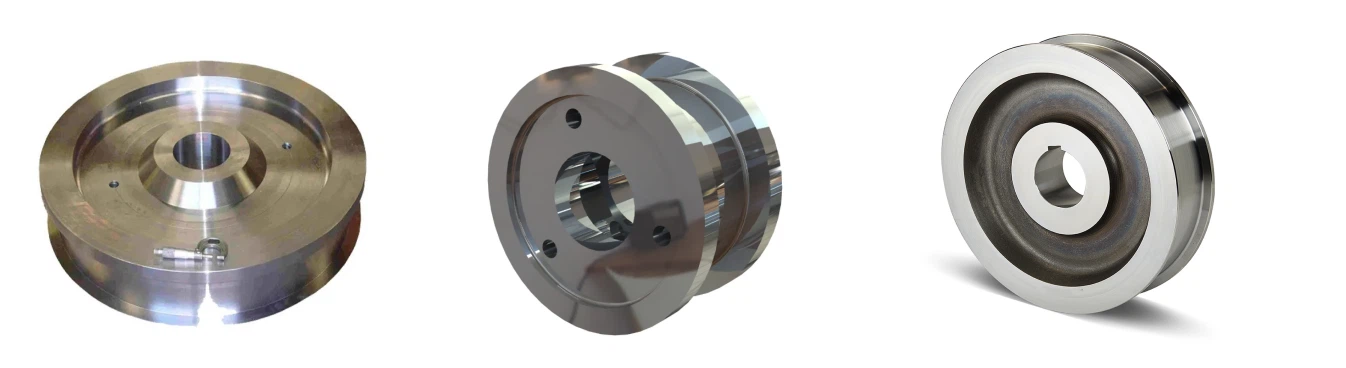
Spreader Bars: Adjustable beams that connect the hoist hooks to the lifting slings. They ensure the slings are at the correct angle to distribute the weight properly across the vessel's hull.
Self-Propelled Drive System: Each leg is equipped with motorized wheels, allowing the entire hoist to move forward, backward, and crab (diagonally). The operator controls the movement from a central cabin.


Power System: Usually diesel-electric or fully electric. Diesel-electric offers complete mobility, while fully electric models might use a cable reel or require an external power source in the work area.
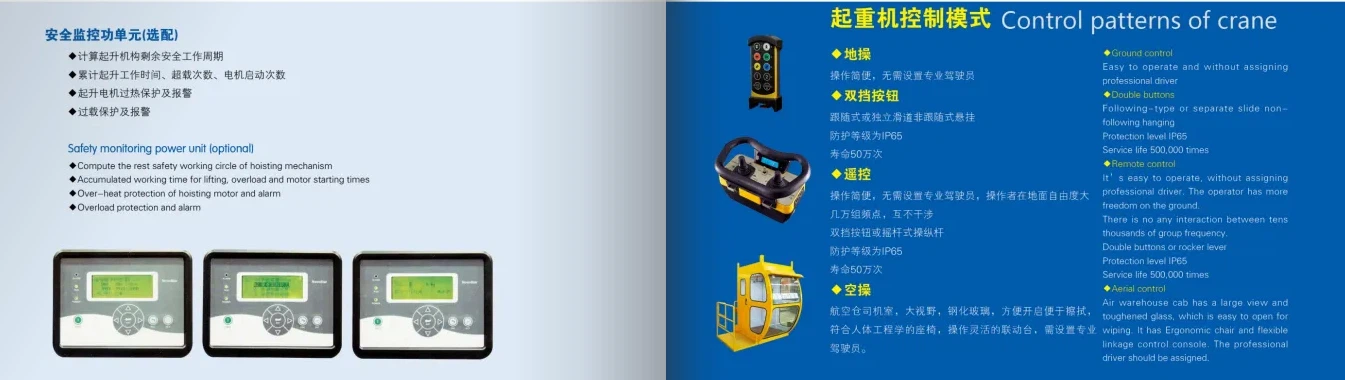
Sophisticated Controls: An operator's cabin with joysticks and screens provides precise control over all functions: lifting, lowering, traversing, and travelling. Modern systems include:
Synchronization: All hoists move at the same speed to keep the lift level.
Load Monitoring: Real-time display of the weight on each hoist and the total weight.
Auto-Leveling: Automatically adjusts hoists to compensate for ground irregularities.

Applications of Each Component
| Component | Function |
|---|---|
| Gantry Frame | Supports entire structure |
| Winches & Slings | Lifts the boat |
| Trolley System | Positions boat over storage area |
| Steering Mechanism | Allows precise maneuvering |
| Load Sensors | Ensures safe lifting capacity |
SKETCH
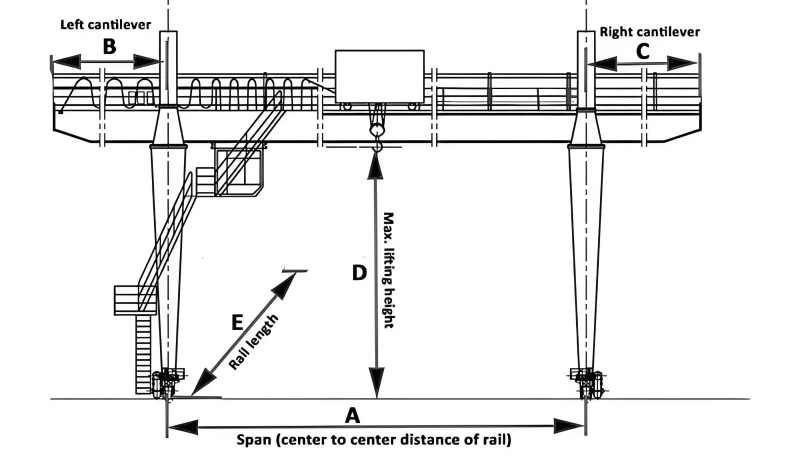
Main technical
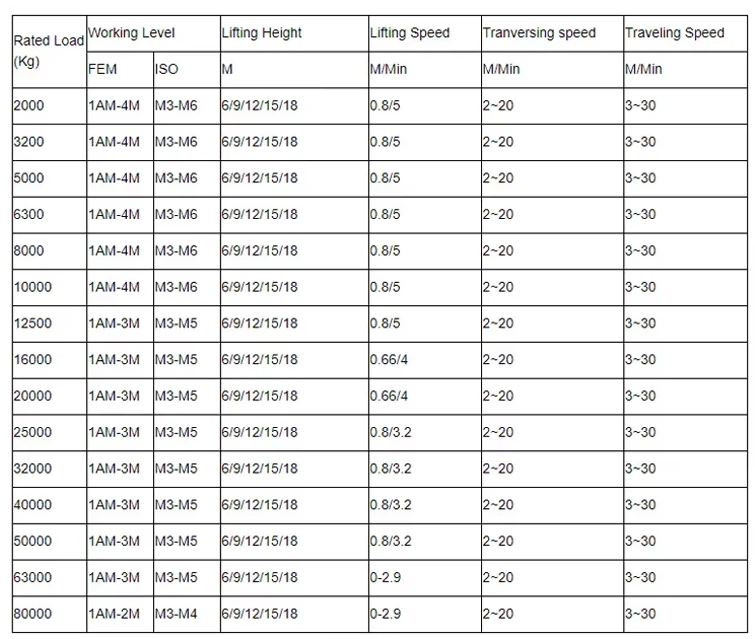
Advantages
1. Unmatched Mobility and Flexibility
Go to the Boat: Unlike a fixed dock crane or a slipway, the crane can be driven directly to the vessel's location. This is invaluable in crowded marinas, for emergency recoveries, or when a boat is in an awkward position.
Multiple Work Sites: One crane can serve an entire marina, boatyard, or multiple locations along a waterfront, maximizing the utility of a single capital investment.
No Dedicated Space Needed: It doesn't require a permanent, dedicated space like a synchrolift or a railway, freeing up valuable waterfront real estate for other uses.
2. High Lifting Capacity with Precision
Handles Large Vessels: A 150-ton capacity allows it to lift a wide range of substantial vessels, including large motor yachts, sailboats, commercial fishing vessels, passenger ferries, and workboats.
Precision Control: Modern hydraulic systems allow for incredibly smooth and precise lifting, lowering, and positioning. This is crucial for safely maneuvering expensive and delicate hulls into tight spaces.
3. Minimal Infrastructure and Low Civil Works Cost
No Major Construction: The primary infrastructure needed is a strong, stable paved or reinforced surface (apron) to operate on. This is far less expensive than building a deep-foundation dry dock, a synchrolift pit, or a railway system.
Quick Deployment: Once purchased and delivered, it can be put into operation almost immediately without lengthy construction projects.
4. Versatility in Operations
Multiple Functions: It's not just for launching and hauling. It can be used for:
Haul-out and Launching: Primary function for dry docking.
Vessel Transportation: Lifting a boat and carrying it to a storage yard or a different work station.
Engine and Component Installation: Precise placement of large, heavy components like engines, generators, or propellers.
Emergency Rescue: Rapid deployment for salvaging sunken or grounded vessels.
Industrial Lifting: Can be used for other heavy lifting tasks around the shipyard when not handling boats.
5. Space Efficiency in Storage
Compact Storage: Boats can be stored very close together ("cheek-to-cheek") since the crane doesn't need wide aisles like a travel lift. The crane simply drives between the tightly packed rows of boats.
High-Density Yards: This allows boatyards to maximize their storage revenue by fitting more vessels in a given area.
6. Safety and Reduced Hull Stress
Spreadered Lifting Straps: They use multiple, adjustable straps that spread the lifting load evenly across the hull's strong points (e.g., keel and bulkheads). This is much gentler on the hull structure than the narrow slings of a travel lift, which can create high point loads.
Stability: A well-designed mobile boat hoist has a very wide wheelbase and a low center of gravity, providing exceptional stability during critical lifting operations.
7. Cost-Effectiveness
Lower Operating Costs: Compared to filling and emptying a dry dock or maintaining a railway system, the operational energy and maintenance costs can be lower.
Single Machine Investment: It consolidates the functions of a crane, a transporter, and a haul-out machine into one unit, reducing the need for multiple specialized vehicles.
Application
Key Applications & Use Cases
Vessel Haul-Out and Launching: This is the core function. The crane is used to:
Haul-Out: Lift boats from the water for seasonal storage, maintenance, repair, or survey.
Launch: Place boats back into the water after work is completed.
Yard Mobility and Transportation: Once the vessel is lifted, the crane's mobile nature allows it to transport the boat to any location within the facility:
Moving vessels to designated storage spots (often on custom-built cradles or blocks).
Transporting boats between different workstations (e.g., from the wash area to the paint shed to the mechanical workshop).
Maintenance and Repair Support: The crane is indispensable for major repair projects:
Hull Work: Lifting the vessel to provide full access to the hull for cleaning, sandblasting, painting, and repairing.
Propeller and Rudder Service: Precise lifting allows for work on running gear, shaft seals, and rudders.
Engine Removal/Installation: The significant capacity can be used to lift large main engines or generators in and out of the vessel's engine room.
Emergency Salvage Operations: In cases of sinking, grounding, or collision within the marina basin, a mobile boat hoist is a critical first-response tool to quickly lift and stabilize a damaged vessel to prevent further loss or environmental damage.
Handling Diverse Vessels: A 150-ton capacity makes it suitable for a wide range of boats, including:
Large motor yachts and superyachts (40-60 meters+)
Commercial fishing vessels
Patrol and pilot boats
Small ferries and passenger vessels
Naval and coast guard craft
High-value sailboats with deep keels
Crane production process
The 150-Ton Mobile Boat Hoist Production Process
The process can be broken down into five main phases:
Phase 1: Design & Engineering
This is the most critical phase, where the entire crane is modeled and simulated before any metal is cut.
Client Requirements & Specifications: Engineers work with the client to determine exact needs: maximum capacity (150t), span (distance between legs), lift height, yard conditions, and any special features.
Structural Design (FEA): Using CAD (Computer-Aided Design) software, the main structural components-gantry beams, legs (end trucks), and the spreader bar-are designed. Finite Element Analysis (FEA) is used to simulate stresses, deflections, and potential failure points under maximum load, ensuring structural integrity and safety.
Mechanical Systems Design: Design of the drive systems (tires, axles, gearboxes, motors), steering mechanism, and the main hoist winch system.
Electrical & Control Systems Design: Schematics are created for the power distribution, motor controls, and the operator's cabin. This includes PLC (Programmable Logic Controller) programming for smooth and safe operation.
Procurement Planning: A bill of materials (BOM) is generated, and suppliers for raw materials (steel plate, girders), purchased components (motors, wire rope, brakes, sensors, tires), and outsourced parts are selected.
Phase 2: Material Preparation & Component Fabrication
Raw materials are transformed into major components.
Steel Cutting: Large steel plates and profiles are cut to size using CNC (Computer Numerical Control) plasma cutters or oxy-fuel cutters for precision.
Frame Fabrication:
Main Gantry Beams: The long horizontal beams are fabricated from large steel plate, welded into box sections or I-beams. Internal stiffeners are added for strength.
End Trucks (Legs): The vertical legs that house the wheels and drive systems are built. These are massive welded structures with compartments for motors and gearboxes.
Spreader Bar: The custom lifting beam is fabricated with adjustable lifting points to accommodate different boat hulls.
Machining: Critical connection points, such as where the gantry beam connects to the end trucks or where the hoist trolley runs, are machined to ensure a perfect, level fit.
Sub-Assembly:
Axle & Drive Assemblies: Wheels, hubs, planetary gearboxes, and travel motors are assembled onto axle units.
Hoist Winch Assembly: The winch drum, gearbox, high-capacity brake, and motor are assembled onto a frame.
Trolley Frame: The frame that holds the hoist winch and moves along the gantry beam is fabricated.
Phase 3: Assembly & Integration
The fabricated components and purchased systems are brought together.
Frame Assembly: The two end trucks are positioned and the main gantry beams are lifted and bolted or welded into place, creating the iconic "gate" structure.
Mechanical Systems Installation:
The axle and drive assemblies are installed into the end trucks.
The trolley is placed onto the rails of the gantry beam.
The hoist winch is mounted onto the trolley.
Wire rope is spooled onto the winch and routed to the sheaves (pulleys) on the trolley and down to the spreader bar.
Electrical Systems Installation:
Power System: Large electric cables are run throughout the crane to power the travel drives, hoist motor, and steering systems.
Control System: Sensors (for load, position, limit), the PLC, and control panels are installed. The operator's cabin is outfitted with joysticks, displays, and control consoles.
Cable Reels: Large industrial cable reels are installed to manage the power cable that follows the crane as it moves.
Phase 4: Testing & Commissioning
Every system is rigorously tested to ensure safety and performance.
Factory Acceptance Testing (FAT): The crane is tested at the manufacturer's facility.
No-Load Tests: All functions are tested without a load: crane travel, trolley travel, hoist up/down, steering, and emergency stops.
Load Tests: This is mandatory and follows international standards (like ISO, FEM, or CMAA).
Static Load Test: Lifting a test weight 25% over capacity (187.5 tons for a 150t crane) and holding it at a height to check for structural deflection and integrity.
Dynamic Load Test: Lifting a test weight 10% over capacity (165 tons) and performing all operational functions to test the systems under moving load conditions.
Safety System Tests: All limit switches, overload protection systems, and brakes are thoroughly tested.
Disassembly & Shipping: After passing FAT, the crane is often partially disassembled (e.g., gantry beams removed from end trucks, spreader bar detached) for shipment to the customer's site via heavy-duty truck and/or ship.
Site Erection & Final Commissioning: The manufacturer's technicians reassemble the crane on-site, align everything, and perform final tests with the client present to ensure it operates perfectly in its final environment.
Phase 5: Delivery & Training
Operator Training: The manufacturer provides comprehensive training for the client's operators and maintenance personnel on safe operation and basic troubleshooting.
Documentation Delivery: All manuals, wiring diagrams, CAD drawings, and test certificates are handed over to the client.
Warranty & Support: The crane is officially handed over, and the warranty period begins, often accompanied by a service and support agreement.

Workshop view:
The company has installed an intelligent equipment management platform, and has installed 310 sets (sets) of handling and welding robots. After the completion of the plan, there will be more than 500 sets (sets), and the equipment networking rate will reach 95%. 32 welding lines have been put into use, 50 are planned to be installed, and the automation rate of the entire product line has reached 85%.




Hot Tags: 150 ton moblie boat hoist crane, China 150 ton moblie boat hoist crane manufacturers, suppliers, factory
You Might Also Like




Send Inquiry