








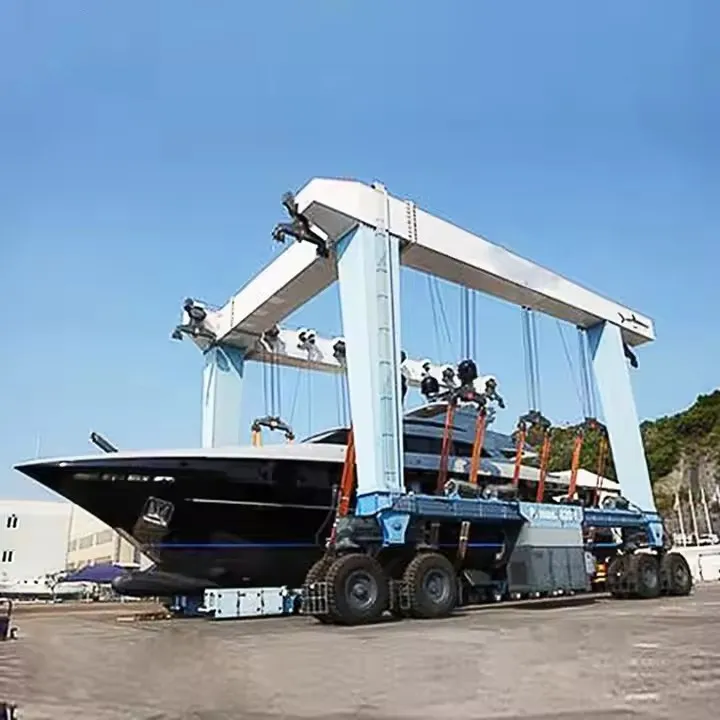

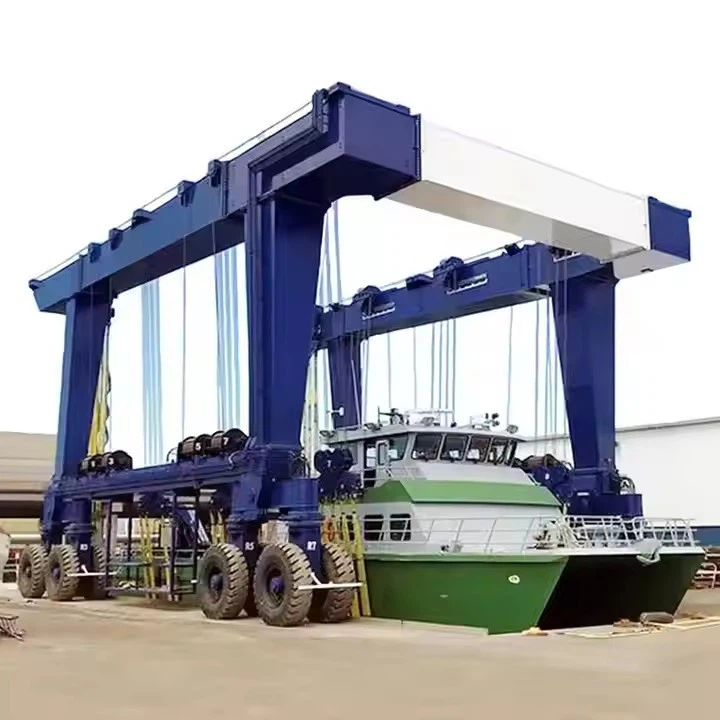
320 Ton Mobile Boat Hoist
Products Description
A 320-ton mobile boat hoist is a heavy-duty lifting system designed to handle boats, yachts, and other marine vessels for maintenance, storage, or transportation. These hoists are essential in shipyards, marinas, and boat repair facilities.
Key Features of a 320-Ton Mobile Boat Hoist:
High Load Capacity – Can lift vessels weighing up to 320 metric tons.
Mobility – Equipped with wheels or tracks for easy movement around dry docks or storage areas.
Adjustable Straps/Arms – Adaptable to different hull shapes and sizes.
Hydraulic or Electric Operation – Smooth and controlled lifting/lowering.
Stability & Safety – Reinforced structure with safety locks and load sensors.
Versatility – Can handle various types of boats (fiberglass, steel, aluminum).
Comparison: Boat Lifting Gantry vs. Travelift
| Feature | Gantry Crane | Travelift |
|---|---|---|
| Mobility | Fixed or mobile | Always mobile (tires) |
| Capacity | Up to 200+ tons | Typically 25–100 tons |
| Cost | Lower (no pit needed) | Higher (requires pit) |
| Installation | Minimal foundation | Needs reinforced dock |
| Versatility | Adjustable for any boat | Limited to boat size |
Choosing the Right Boat Gantry Crane
| Factor | Consideration |
|---|---|
| Boat Weight | Select a crane with 20–30% more capacity than the max boat weight. |
| Boat Size | Ensure the span and height fit the boat's dimensions. |
| Environment | Stainless steel for saltwater resistance. |
| Mobility Needs | Fixed (permanent) vs. mobile (flexible). |
| Power Source | Electric (indoor) or diesel/hydraulic (outdoor). |
Lifting Capacity 320 tons
Span (Width) 3 - 12 meters (adjustable)
Lifting Height 3 - 10 meters
Working Class A3-A5 (light to medium duty)
Hoisting Speed 0.5 - 8 m/min (variable)
Main Beam Type Single/double girder (box-type)
Power Supply 220V/380V 3-phase or manual
Control Mode Pendant control/wireless remote
Hoist Type Electric chain hoist/wire rope hoist
Travel Drive Manual push or motorized
Corrosion Protection Hot-dip galvanized or marine-grade paint
Wind Resistance Up to Beaufort scale 6 (for outdoor use)
Operating Temp -20°C to +50°C

Pictures & Components
A 320-ton mobile boat hoist is a heavy-duty lifting system designed to handle large vessels for maintenance, storage, or transport. Below are the key components typically found in such a system:
1. Structural Components
Main Beams/Frames – Heavy-duty steel girders that support the hoist's weight and the vessel.
Vertical Columns/Legs – Provide stability and height adjustment.
Cross Braces – Reinforce the structure to prevent lateral movement.
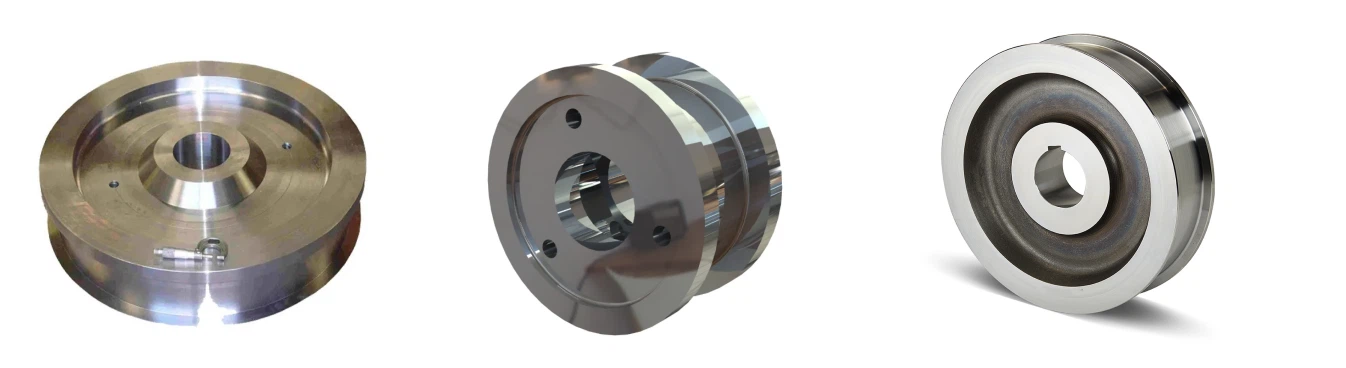
Wheel Assemblies/Tracks – Allow mobility (rail-based or rubber-tired systems).
2. Lifting Mechanism
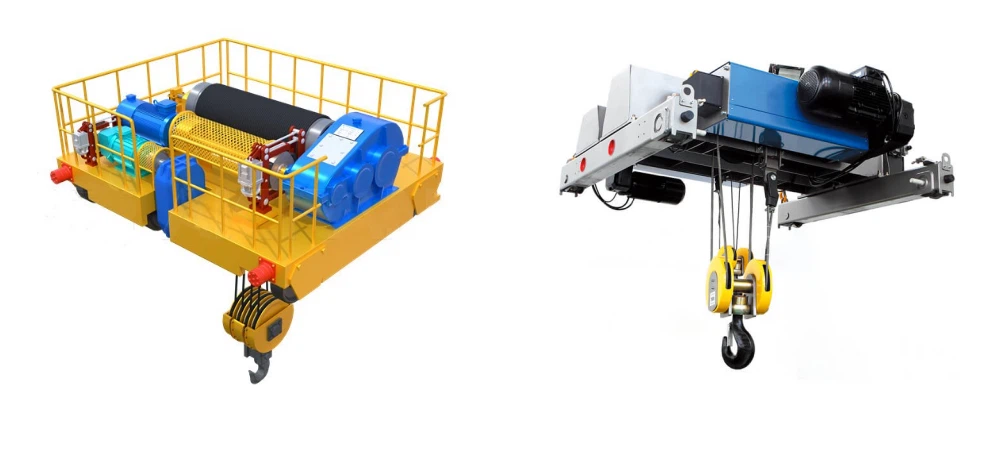
Hydraulic Cylinders – Provide the lifting force (synchronized for even lift).
Wire Ropes & Pulleys – Used in some designs for lifting.
Spreader Bars – Distribute lifting force evenly across the vessel's hull.
Lifting Straps/Cradles – Adjustable straps or padded cradles to secure the boat.

3. Power & Control System
Hydraulic Power Unit (HPU) – Powers the hydraulic cylinders.
Control Panel – Operator interface for lifting/lowering (manual or automated).
Sensors & Load Cells – Monitor weight distribution and prevent overloading.
Emergency Stop & Safety Valves – Prevent accidental drops.

4. Mobility & Positioning System
Rail System (if rail-mounted) – Guides movement along a fixed path.
Wheel Motors (if self-propelled) – Electric or hydraulic drive systems.
Steering Mechanism – For directional control in mobile units.

5. Safety Features
Overload Protection – Prevents lifting beyond capacity.
Anti-Tip System – Ensures stability during movement.
Locking Pins/Brakes – Secures the hoist in position when stationary.
Emergency Manual Lowering – Backup in case of power failure.

6. Optional Add-Ons
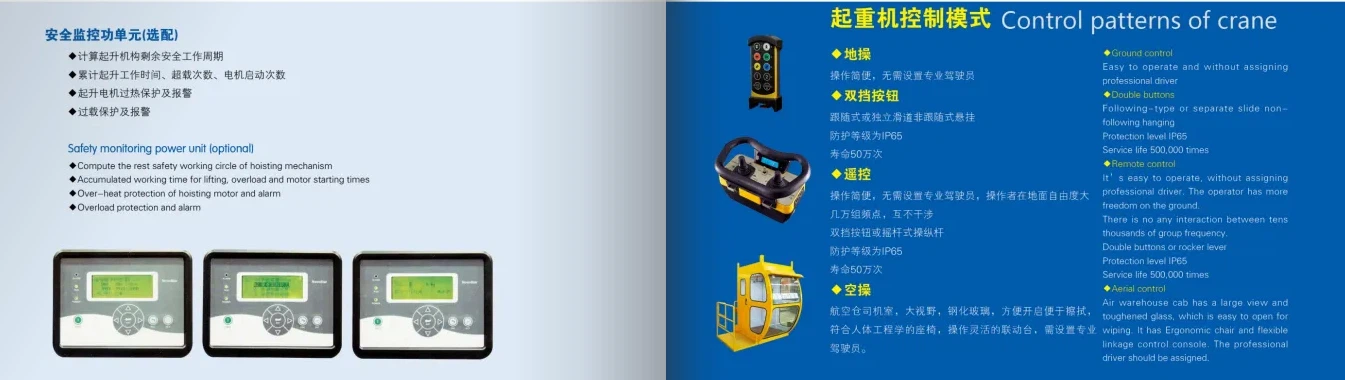
Remote Control – Wireless operation for convenience.
Automated Synchronization – Ensures even lifting via PLC control.
Corrosion-Resistant Coatings – For marine environments.
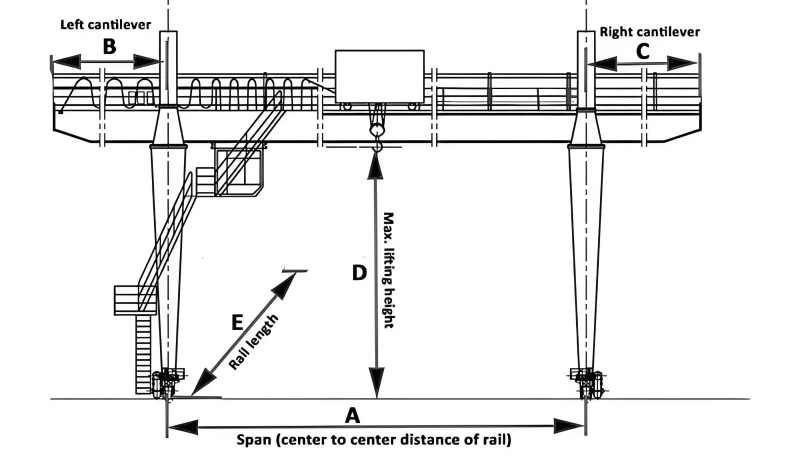
SKETCH
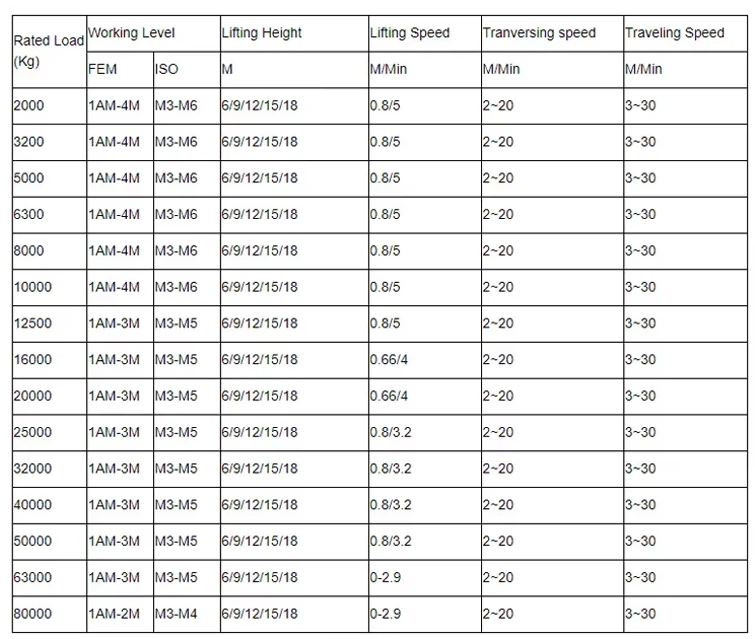
Main technical
Advantages
A 320-ton mobile boat hoist is a heavy-duty lifting system designed for moving large boats, yachts, and marine vessels in shipyards, marinas, and repair facilities. Here are its key advantages:
1. High Lifting Capacity
Can handle vessels weighing up to 320 tons, making it suitable for large yachts, commercial boats, and small ships.
Ideal for dry docking, maintenance, and transportation.
2. Mobility & Flexibility
Equipped with wheeled or track-based systems for easy movement around shipyards.
No need for permanent installation, allowing quick repositioning as needed.
3. Space Efficiency
Eliminates the need for fixed cranes or slipways, saving valuable dock space.
Can operate in tight spaces where traditional lifting methods are impractical.
4. Versatility
Suitable for multiple boat types (fiberglass, steel, aluminum hulls).
Can be used for launching, hauling, and repositioning vessels.
5. Cost-Effective
Reduces infrastructure costs compared to permanent dry docks or travel lifts.
Lower labor requirements due to automated or hydraulic controls.
6. Safety & Stability
Hydraulic synchronization ensures balanced lifting.
Secure lifting straps or cradles prevent hull damage.
Emergency stop systems for accident prevention.
7. Time-Saving
Faster than traditional crane operations or railway systems.
Enables quick vessel transfers for maintenance or storage.
8. Adaptability to Different Environments
Can be used indoors or outdoors, on concrete, gravel, or reinforced surfaces.
Some models are weather-resistant for harsh marine conditions.
Application
A 320-ton mobile boat hoist is a heavy-duty lifting system designed for handling large vessels, such as yachts, commercial boats, and small ships, in marinas, shipyards, and repair facilities. Below are key aspects of its application:
1. Primary Applications
Boat Lifting & Launching: Safely lifts and transfers boats in and out of the water.
Dry Docking: Positions vessels for maintenance, repairs, or storage.
Marina Operations: Facilitates efficient boat movement in busy marinas.
Shipyard & Repair Facilities: Enables quick relocation of boats for servicing.
Military & Rescue Operations: Used for rapid deployment/recovery of patrol boats and small craft.
2. Key Features
High Load Capacity: Handles vessels up to 320 metric tons.
Mobility: Equipped with wheels or tracks for easy repositioning.
Adjustable Straps/Spreader Bars: Accommodates different hull shapes.
Hydraulic/Electric Operation: Ensures smooth and precise lifting.
Safety Systems: Includes overload protection, emergency stops, and stabilization.
3. Advantages
Space Efficiency: Eliminates the need for fixed cranes or slipways.
Versatility: Works with various boat types (catamarans, monohulls, etc.).
Cost-Effective: Reduces docking time and labor compared to traditional methods.
Quick Operation: Faster than travel lifts with lower capacity.
4. Typical Users
Marinas & Yacht Clubs
Boat Manufacturers
Naval Bases & Coast Guard Facilities
Commercial Fishing Ports
Offshore Service Companies
5. Considerations Before Use
Ground Stability: Must support heavy loads (reinforced concrete or compacted gravel).
Vessel Dimensions: Ensure the hoist's width and lifting height match the boat.
Environmental Conditions: Wind and water currents can affect stability during lifts.
Crane production process
The production process of a 320-ton mobile boat hoist crane involves several stages, from design and material procurement to fabrication, assembly, testing, and delivery. Below is a detailed breakdown of the production process:
1. Design & Engineering
Requirements Analysis: Determine load capacity (320 tons), lifting height, span, mobility needs (rail-mounted or rubber-tired), and environmental conditions (marine environment resistance).
CAD Modeling: Create 3D models and finite element analysis (FEA) simulations to ensure structural integrity.
Mechanical & Electrical Design: Plan the hoisting mechanism, trolley system, drive mechanisms, and control systems (hydraulic/electric).
Regulatory Compliance: Ensure adherence to international standards (ISO, DIN, FEM, or ASME).
2. Material Procurement
Structural Steel: High-grade steel (S355, Q345B) for beams, columns, and booms.
Hydraulic Components: Cylinders, pumps, and valves for lifting and movement.
Electrical Systems: Motors, PLCs, sensors, and control panels.
Wire Ropes & Sheaves: High-tensile steel cables and pulleys.
Corrosion Protection: Marine-grade paint, galvanization, or stainless steel for saltwater resistance.
3. Fabrication Process
A. Structural Fabrication
Cutting: Plasma/oxy-fuel or laser cutting of steel plates.
Welding: Submerged arc welding (SAW) for heavy sections; manual/MIG welding for joints.
Machining: Drilling, milling, and boring for precise component fitting.
Assembly of Girders & Boom: Box girders or truss structures for the main bridge/boom.
B. Mechanical Systems
Hoist Mechanism: Fabrication of winches, drums, and braking systems.
Trolley & Travel System: Rails, wheels, and drive motors for horizontal movement.
Hydraulic System: Integration of cylinders and pumps for lifting/stabilization.
C. Electrical & Control Systems
Wiring & Sensors: Install limit switches, load cells, and anti-collision systems.
Control Cabin: Operator cabin with joystick/PLC-based controls.
4. Assembly & Integration
Erection of Main Structure: Bolt/weld the bridge, legs, and boom.
Mounting Mechanical Systems: Install hoists, trolleys, and drives.
Electrical & Hydraulic Connections: Connect power and control systems.
Corrosion Protection: Apply primer, epoxy coatings, and anti-rust treatments.
5. Testing & Quality Control
Load Testing:
Static Test: 125% of rated load (400 tons) to check deformation.
Dynamic Test: Operational test at 110% load (352 tons).
Functional Tests:
Hoisting/lowering, trolley movement, and travel mechanisms.
Emergency stop and safety system checks.
NDT (Non-Destructive Testing): Ultrasonic, magnetic particle, or dye penetrant tests on welds.
6. Painting & Surface Treatment
Sandblasting: Surface preparation for paint adhesion.
Primer & Topcoat: Marine-grade epoxy/polyurethane paint for corrosion resistance.
Markings & Labels: Safety signs, capacity plates, and warning labels.
7. Final Inspection & Certification
Third-Party Inspection: By classification societies (e.g., DNV, LR, ABS) if required.
Documentation: Provide manuals, test reports, and CE/ISO certifications.
Client Acceptance: On-site verification if needed.
8. Dismantling & Shipping (if modular)
Disassembly: Break down into transportable sections (beams, machinery).
Packaging: Protect components for sea/road freight.
Reassembly On-Site: Supervised by technical teams at the client's location.
9. Installation & Commissioning
Foundation Preparation: Ensure rail tracks or ground support for mobility.
Crane Assembly: Re-erect and align components.
Final Testing: Operational checks under client supervision.
Training: Operator and maintenance training.

Workshop view:
The company has installed an intelligent equipment management platform, and has installed 310 sets (sets) of handling and welding robots. After the completion of the plan, there will be more than 500 sets (sets), and the equipment networking rate will reach 95%. 32 welding lines have been put into use, 50 are planned to be installed, and the automation rate of the entire product line has reached 85%.



Hot Tags: 320 ton mobile boat hoist, China 320 ton mobile boat hoist manufacturers, suppliers, factory
You Might Also Like


Send Inquiry