






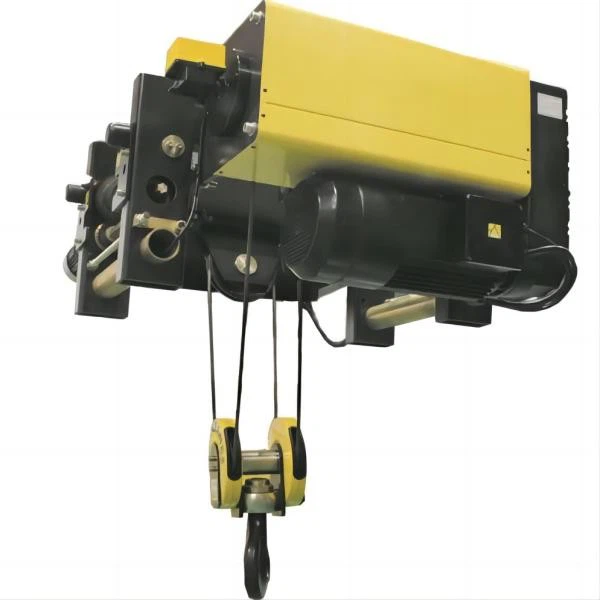


Wirerope Electric Hoists
Wire rope electric hoists are mechanical devices used for lifting and lowering heavy loads in various industrial and construction applications. These hoists are designed to provide reliable and efficient material handling solutions, making them an essential tool in many workplaces.
Key Features
- Wire Rope: Wire rope hoists use high-strength steel cables or wire ropes for lifting and lowering loads. These ropes are wound around a drum and are available in various lengths and thicknesses to suit different lifting requirements.
- Electric Motor: The heart of the hoist is an electric motor that provides the power needed to raise and lower the load. Hoists can be powered by various types of motors, including single-phase or three-phase electric motors.
- Control Panel: Wire rope electric hoists typically come with a control panel that allows operators to control the hoist's movements. This panel may include buttons or switches for functions such as lifting, lowering, and emergency stop.
- Hoist Hook: At the end of the wire rope, there is a hook or attachment point that connects to the load. The hook is designed to securely hold the load during lifting and can come in various configurations, such as single or double hooks.
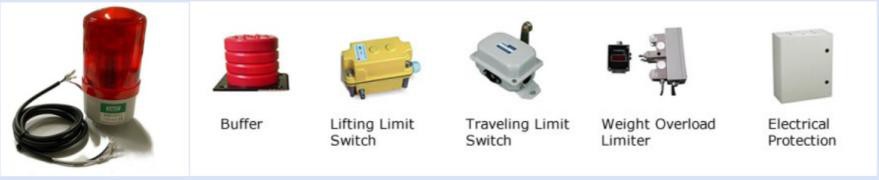
- Safety Features: Wire rope hoists are equipped with safety features to protect both the operator and the load. These features may include limit switches to prevent overtravel, emergency stop buttons, and thermal protection for the motor.
- Load Capacity: Wire rope electric hoists are available in a range of load capacities, from a few hundred kilograms to several tons. The hoist's capacity should match the weight of the load it needs to lift.
- Speed and Lifting Height: Hoists can vary in lifting speed and lifting height capabilities. Different models are designed for specific applications and can offer adjustable speed settings.
- Mounting Options: Wire rope hoists can be mounted in various ways, including on overhead beams, trolleys, or fixed structures. The choice of mounting depends on the specific requirements of the lifting task and the available workspace.
- Durability and Construction: Hoists are typically constructed with durable materials to withstand the rigors of industrial environments. Components are often made from high-quality steel and are built to be robust and long-lasting.

Parts & Components
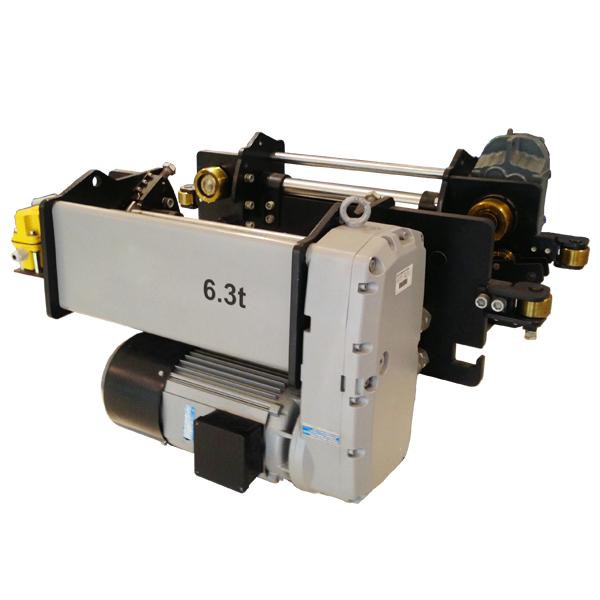
Wire rope electric hoists consist of various parts and components that work together to facilitate the lifting and lowering of heavy loads. These components are essential for the hoist's operation and can vary slightly depending on the specific make and model.
- Electric Motor: The electric motor is the primary power source for the hoist. It converts electrical energy into mechanical energy, enabling the hoist to raise and lower the load. Electric motors used in wire rope hoists can be single-phase or three-phase, and they come in various power ratings to suit different lifting capacities.
- Gearbox: The gearbox is responsible for controlling the speed and torque of the hoist's lifting mechanism. It contains gears and other components that help in reducing or increasing the speed of the wire rope drum to match the specific application.
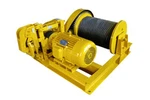
- Drum: The drum is a cylindrical component around which the wire rope is wound. When the motor turns the drum, the wire rope is wound or unwound, allowing the load to be raised or lowered. The drum is an integral part of the hoist, and its size and design depend on the hoist's load capacity and lifting requirements.

- Wire Rope: High-strength steel wire ropes are used to lift and lower the load. The wire rope is wound onto the drum and attached to the load through a hook or other lifting attachment. Wire ropes are available in various lengths and diameters to match the hoist's specifications.
- Hoist Hook: The hoist hook is the attachment point at the end of the wire rope that connects to the load. It is designed to securely hold the load during lifting and is available in various configurations, such as single hooks or double hooks.
- Control Panel: The control panel houses the electrical controls and switches that allow operators to manage the hoist's movements. It typically includes buttons or switches for functions like lifting, lowering, and emergency stop. Some hoists may have more advanced control systems with features like variable speed control and safety interlocks.
- Limit Switches: Limit switches are safety devices that prevent overtravel of the hoist. They are strategically placed on the hoist's travel path to limit the movement of the load within safe boundaries. When the load reaches these limits, the limit switches trigger the hoist to stop or change direction.
- Brakes: Hoists are equipped with brakes that engage when the motor is not running. These brakes hold the load securely in place and prevent unintended movement when the hoist is not actively lifting or lowering.
- Safety Features: In addition to limit switches, wire rope electric hoists may include other safety features such as emergency stop buttons, thermal protection for the motor, overload protection, and mechanical or electrical interlocks to ensure safe operation.
- Housing and Frame: The housing or frame of the hoist encloses and protects the internal components. It is typically constructed from durable materials like steel to withstand the rigors of industrial environments.
Sketch

Advantages
Wire rope electric hoists offer several advantages in industrial and construction applications, making them a popular choice for lifting and moving heavy loads. Here are some of the key advantages of wire rope electric hoists:
- High Load Capacity: Wire rope electric hoists are capable of lifting extremely heavy loads, ranging from a few hundred kilograms to several tons. This makes them ideal for applications where substantial lifting power is required.
- Precise Load Control: These hoists provide precise control over the lifting and lowering of loads, allowing for accurate positioning. This precision is essential in applications where loads must be placed with high accuracy.
- Versatility: Wire rope electric hoists can be used in a wide range of industries and applications, including manufacturing, construction, warehousing, and more. They are adaptable to various load sizes and types.
- Long Lifting Heights: Wire rope hoists can lift loads to considerable heights, which is advantageous in applications where the load needs to be raised to a significant elevation. They are commonly used in multi-story buildings and high-rise construction.
- Durability: These hoists are built with robust materials and components, making them durable and capable of withstanding the demanding conditions of industrial environments. They have a long service life when properly maintained.
- Safety Features: Wire rope electric hoists are equipped with a range of safety features, including limit switches, emergency stop buttons, overload protection, and thermal protection for the motor. These safety mechanisms help prevent accidents and protect both operators and equipment.
- Ease of Operation: They are relatively easy to operate, and with user-friendly control panels, even novice operators can quickly learn to use them effectively.
- Efficiency: Wire rope electric hoists offer efficient load handling, minimizing the time and effort required to move heavy objects. This efficiency can increase overall productivity in various work environments.
- Various Mounting Options: They can be mounted in different ways, including on overhead beams, trolleys, or fixed structures, providing flexibility to adapt to the specific needs of a workspace.
- Quiet Operation: Electric hoists are generally quieter compared to some other types of hoists, which can be advantageous in workplaces where noise levels need to be controlled.
- Low Maintenance: While regular maintenance is essential for any piece of machinery, wire rope electric hoists tend to require less maintenance compared to some other lifting solutions, reducing downtime and maintenance costs.
- Remote Control Options: Many wire rope electric hoists offer remote control options, allowing operators to control the hoist from a safe distance, which can be especially useful in hazardous or hard-to-reach areas.

Application
Wire rope electric hoists find applications in a wide range of industries and scenarios where lifting and moving heavy loads is necessary. Their versatility, high load capacity, and precise control make them a valuable tool in various applications. Here are some common applications of wire rope electric hoists:
- Construction: Wire rope electric hoists are frequently used in construction for tasks such as lifting heavy building materials, equipment, and tools to elevated levels, particularly in high-rise construction projects.
- Manufacturing: They are employed in manufacturing facilities for tasks like moving large machinery, positioning heavy workpieces, and managing the assembly of heavy products.
- Warehousing: Electric hoists assist in the movement of heavy and bulky inventory within warehouses. They are used for lifting and positioning items on storage racks, loading and unloading trucks, and managing inventory efficiently.
- Automotive Industry: Electric hoists are used for engine assembly, vehicle maintenance, and lifting and positioning automotive parts on assembly lines.
- Mining: In mining operations, wire rope electric hoists are used for various tasks, including lowering and lifting heavy equipment, transporting materials, and servicing mine shafts.
- Agriculture: In agriculture, electric hoists are utilized for tasks like lifting and positioning heavy irrigation equipment, managing grain storage, and handling livestock.
- Marine Industry: Wire rope electric hoists are crucial for shipbuilding, maintenance, and repair. They help in lifting and positioning ship components, engines, and other heavy equipment.
- Oil and Gas Industry: These hoists are used in offshore and onshore oil and gas facilities for tasks such as lifting equipment and materials onto drilling platforms, as well as handling pipeline maintenance.
- Utilities and Power Plants: Electric hoists are used in power generation facilities for tasks like positioning heavy transformers, generators, and maintenance equipment.
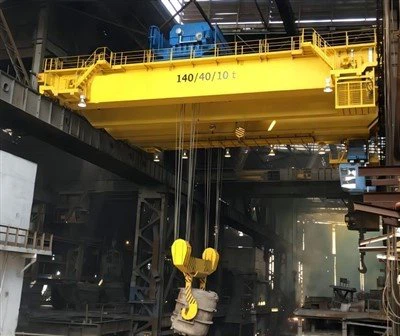
- Material Handling: Wire rope hoists are applied in material handling scenarios across various industries, including in foundries, recycling facilities, and container terminals, where heavy loads need to be lifted, transported, and positioned.

Production Procedure
The production procedure of wire rope electric hoists involves several steps, from design and material selection to assembly and quality control.
1.Design and Engineering:
- Design engineers create detailed plans and specifications for the hoist, considering factors like load capacity, lifting height, and any specialized requirements.
- The design includes the selection of suitable materials, motor specifications, and control systems.
2.Material Selection:
- High-quality materials are chosen for the various components of the hoist, including the steel for the wire rope, the motor components, and the frame.
- Materials should meet industry standards for strength, durability, and reliability.
3.Component Fabrication:
- Manufacturing plants produce the various components of the hoist, such as the drum, frame, gears, and electrical components.
- Components may be fabricated using cutting, welding, machining, and other manufacturing processes.
4.Assembly:
- Skilled workers assemble the hoist, following the design specifications.
- The electric motor is integrated with the gearbox, and the drum and wire rope are attached to the hoist.
- Control panels and safety features are added during this stage.
5.Wiring and Electrical Installation:
- The electrical system is installed, connecting the control panel to the motor, limit switches, and other electrical components.
- Wiring is carefully routed to ensure safe and reliable operation.
6.Quality Control:
- At multiple stages of assembly, quality control measures are applied to check for precision, functionality, and safety.
- Load tests may be conducted to ensure that the hoist can lift its rated capacity safely.
7.Painting and Finishing:
- The hoist is often painted or finished to protect it from corrosion and to meet aesthetic requirements.
- Finishing may include surface treatments and the application of protective coatings.
8.Testing:
- The fully assembled hoist undergoes extensive testing to ensure its proper functioning. This includes operational tests, load tests, and safety feature tests.
- Any issues discovered are addressed and resolved.
9.Packaging:
- The hoist is prepared for shipment and packaging. This may involve disassembling some components, securing the load, and packaging it in a protective manner.
10.Documentation and Manuals:
- Instruction manuals and documentation for installation, operation, and maintenance are created to accompany the hoist.
11.Shipping and Delivery:
- Hoists are prepared for shipment and transported to distribution centers or directly to customers' locations, depending on the manufacturing setup.
12.Installation and Commissioning:
- Upon arrival at the destination, the hoist is installed and commissioned by trained technicians.
- Safety measures, including proper anchoring, are essential during installation.
13.Training and Operator Education:
- Operators and maintenance personnel are trained on how to use and maintain the hoist safely and effectively.
14.Maintenance and Support:
- Manufacturers often offer ongoing support and maintenance services to ensure the continued reliability and safety of the hoists.

Workshop View


Hot Tags: wirerope electric hoists, China wirerope electric hoists manufacturers, suppliers, factory
You Might Also Like



Send Inquiry