










Wire Rope Electric Hoist
A Wire Rope Electric Hoist is a lifting device designed to move heavy loads vertically and horizontally. It is commonly used in industrial settings, warehouses, construction sites, and other applications that require lifting or lowering heavy materials. The hoist is powered by electricity and uses a wire rope to lift and lower loads. It offers a convenient and efficient way to handle heavy objects, making tasks safer and reducing manual labor.
Key Features
Wire rope electric hoists are commonly used in various industries for lifting heavy loads. Here are the key features of a wire rope electric hoist:
Lifting Capacity:
They come in various capacities, ranging from a few hundred kilograms to several tons, depending on the application.
Durability:
Wire rope hoists are built to withstand heavy-duty operations. They are designed for long-term use in demanding environments like construction sites, factories, and warehouses.
Wire Rope:
The hoist utilizes a strong steel wire rope, which provides high strength, flexibility, and durability for lifting heavy loads.
Electric Power Source:
These hoists are powered by electricity, eliminating the need for manual labor and providing more consistent and powerful lifting.
Variable Speed Control:
Some models feature adjustable speed control, allowing for precise control of the lifting speed, making them ideal for handling delicate loads or for applications that require specific speeds.
Compact and Space-Saving:
These hoists are designed to be compact, saving space while providing high lifting performance. This makes them suitable for use in tight spaces.
Safety Features:
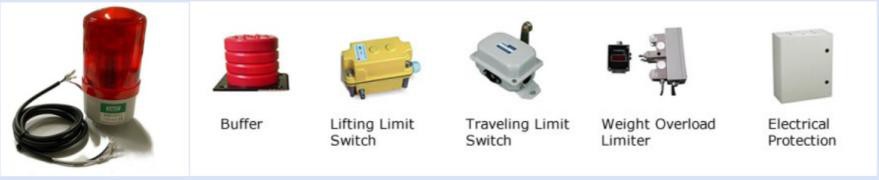
Common safety features include overload protection, limit switches to prevent the load from lifting too high or low, and emergency stop functions.
Reliable Operation:
Wire rope electric hoists are known for their smooth and reliable operation, with minimal maintenance required when properly installed and used.
Ease of Installation:
They are easy to install and can be mounted on beams, overhead rails, or gantry cranes, depending on the application.
Versatility:
Wire rope hoists are versatile and can be used for a wide range of lifting tasks, including moving heavy materials, machinery, or construction equipment.
Long Lifespan:
Due to their sturdy construction and the use of high-quality materials, wire rope electric hoists have a long operational lifespan, reducing the need for frequent replacements.

Parts & Components
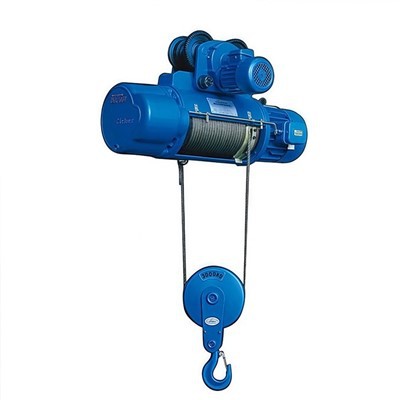
A wire rope electric hoist is made up of several key parts and components that work together to lift and move heavy loads. Here are the main components of a typical wire rope electric hoist:
- Electric Motor: Provides the power needed to lift and lower the load. It is typically an AC motor, but DC motors can also be used.
- Gearbox: The gearbox reduces the speed of the motor's rotation and increases torque to the hoist drum.
- Hoist Drum: A cylindrical drum around which the wire rope is wound. The drum rotates to lift and lower the load.

- Wire Rope: A wire rope for a wire rope electric hoist is typically made of high-quality steel and is designed to handle heavy lifting and repetitive movements. These ropes are used in electric hoists to lift, lower, and transport heavy loads. The wire rope is carefully engineered to withstand the stresses of the hoisting operation while maintaining flexibility and durability.
- Hoist Hook: A hoist hook is an essential component of a wire rope electric hoist. It is designed to securely lift and lower heavy loads by attaching the load to the hoist mechanism. The hook is typically made of strong, durable materials such as forged steel to withstand high stresses during operation.
- Control Panel: The control panel of a wire rope electric hoist is an essential component that allows operators to control the hoisting process. This control panel is often designed for ease of use and safety, ensuring smooth operation while minimizing risks during lifting operations.
- Limit Switches: Limit switches in wire rope electric hoists are safety devices that are used to prevent over-travel of the hoist hook or the lifting mechanism. They help in ensuring that the hoist operates within its safe range, preventing mechanical damage, reducing wear, and improving overall safety.
- Brakes: The brakes of a wire rope electric hoist are a critical component for ensuring safety during operation. They are designed to hold the load in place when the hoist is not in motion, as well as stop the hoist during lifting or lowering.
- Safety Features: Wire rope electric hoists come equipped with a variety of safety features to ensure safe and efficient operation. These safety features help to prevent accidents, extend the lifespan of the hoist, and protect both the operators and the load being lifted.
- Housing and Frame:
Housing:
Function: The housing protects the internal mechanical and electrical components of the electric hoist, such as the motor, gearbox, electrical wiring, and controls, from dust, dirt, moisture, and physical damage.
Material: It's typically made from durable materials such as steel, aluminum, or high-strength alloys to ensure robustness and resistance to wear and tear.
Design: The design of the housing can vary depending on the hoist's capacity and usage. It may feature ventilation holes or grilles to prevent overheating, while also providing easy access for maintenance and repairs.
Frame:Function: The frame provides structural integrity and supports the weight of the hoist and load. It is usually the foundation upon which other components like the motor, drum, and wire rope are mounted.
Material: Like the housing, the frame is generally constructed from heavy-duty steel to handle the dynamic forces and heavy loads associated with lifting.
Design: The frame is designed to be strong and stable, with reinforced sections to handle high load capacities. It is usually bolted together or welded to ensure durability under stress. In some cases, the frame may be designed to be compact for easier installation in tight spaces.
Sketch

Advantages
Wire rope electric hoists offer several advantages, making them a popular choice in various industries for lifting heavy loads. Here are some key benefits:
High Load Capacity: Wire rope hoists can handle heavy loads, often ranging from several hundred kilograms to tens of tons, making them ideal for industrial applications.
Durability and Strength: The wire rope is made of high-strength steel, offering superior durability and resistance to wear and tear. This makes wire rope hoists suitable for demanding environments where heavy lifting is frequent.
Smooth Lifting Operation: The wire rope is wound onto a drum, allowing for smooth and controlled lifting and lowering of loads. This reduces jerking or sudden movements that can cause damage to the load or the hoist.
Long Lifespan: With proper maintenance, wire rope hoists have a long operational life. The steel ropes can be easily replaced if damaged, contributing to the overall longevity of the hoist.
Versatility: These hoists can be used in a wide range of industries, including construction, manufacturing, logistics, and warehousing. They can be mounted on overhead cranes, gantries, or even on fixed structures.
Precise Control: Electric hoists provide precise control over load movement, ensuring accurate positioning and minimal risk of accidents.
Safety Features: Modern wire rope hoists come with built-in safety features such as overload protection, emergency stops, and limit switches, which help prevent accidents and equipment damage.
Compact Design: Despite their high load capacity, wire rope electric hoists are often compact and space-efficient, which is particularly useful in confined spaces or areas with limited headroom.

Application
Wire rope electric hoists are widely used in various industries and applications due to their efficiency, reliability, and ability to lift heavy loads. Some common applications include:
Construction Sites: Used for lifting heavy materials like concrete, steel beams, and other construction equipment. They help in speeding up the construction process by reducing manual labor.
Factories and Warehouses: Used for lifting and moving heavy goods, machinery, or parts in manufacturing plants, assembly lines, and storage areas. It improves the workflow and helps maintain safety standards.
Shipbuilding: Wire rope hoists are used in shipyards for lifting and placing heavy components like ship engines, propellers, and hull sections.
Mining Operations: Electric hoists help lift mining equipment, materials, and personnel in and out of shafts, providing efficient and safe operations.
Cranes and Overhead Lifting Systems: Hoists are often integrated into overhead cranes, gantry cranes, or jib cranes, used in various industrial and warehouse settings for lifting large or heavy items.
Logistics and Distribution Centers: In environments where products need to be lifted for packaging or redistribution, electric hoists streamline the process.
Maintenance and Repair Operations: Used in maintenance workshops for lifting large machines or parts for repair, overhaul, or maintenance.
Port Handling: In ports, wire rope hoists are used for loading and unloading cargo from ships, ensuring efficient and safe handling of containers and heavy materials.

Production Procedure
The production procedure of a wire rope electric hoist typically involves several key stages. Below is an outline of the common steps involved in the manufacturing process:
1. Design and Planning
Product Specifications: The design team defines the specifications based on the load capacity, lifting height, type of wire rope, and other factors.
Material Selection: High-quality steel or other durable materials are selected for key components, such as the hoist frame, drum, and motor.
2. Fabrication of Components
Frame Assembly: The main frame is constructed, usually made from steel. This is the backbone of the hoist.
Drum Production: The drum, which holds the wire rope, is made using high-strength materials. It is typically machined to precise dimensions.
Motor Manufacturing: The electric motor is sourced or assembled depending on the hoist specifications. It must be capable of powering the system based on the weight load and the required speed.
Gearbox Production: Gears are fabricated for smooth power transmission. The gearbox housing and components are precision-machined.
Wire Rope: The wire rope is manufactured and cut to the required length, ensuring it's strong enough to carry the designated load.
3. Assembly
Hoist Frame Assembly: The frame and the gearbox are assembled first. The motor is then mounted onto the frame.
Wire Rope Installation: The wire rope is spooled onto the drum and properly tensioned.
Electrical Connections: The electrical components are connected, including the motor, control panel, and any safety features.
4. Testing
Load Testing: A load test is performed to ensure the hoist can handle its rated load. It is operated at various speeds and under different loads.
Safety Testing: Safety features such as overload protection, emergency stop, and limit switches are tested.
Functional Testing: The entire system is tested for smooth operation, including checking for mechanical and electrical malfunctions.
5. Finishing
Painting and Coating: The hoist frame and other components are coated with anti-corrosive paint to increase the lifespan of the equipment.
Final Inspection: The finished product undergoes a detailed inspection to check for defects in the assembly or functionality.
6. Packaging and Shipping
Once the hoist passes all inspections and tests, it is cleaned, packaged, and prepared for shipment.

Workshop View


Hot Tags: wire rope electric hoist, China wire rope electric hoist manufacturers, suppliers, factory
You Might Also Like




Send Inquiry