


Select the right warehouse crane. Discover efficient warehouse gantry & bridge cranes with magnetic attachments for safe, fast steel coil & slab handling.
Introduction
Handling steel and heavy metal products in a warehouse is no easy task. These materials are often bulky, heavy, and sometimes oddly shaped, which makes moving them safely a real challenge. Whether it's thick steel slabs, heavy coils, or billets, the right equipment is crucial to keep operations smooth and accidents at bay.
Picking the right crane system for your warehouse isn't just about lifting the heaviest load. It's about choosing a solution that fits your space, your product types, and the way your team works every day. The wrong crane can slow down production, cause damage to materials, or even put workers at risk.
This guide aims to help warehouse managers, steel stockyard operators, and equipment buyers understand the best crane options available for handling steel and heavy metals. From gantry cranes and bridge cranes to magnetic attachments, we'll cover what works, what to look out for, and how to make the most of your crane investment.
Key Material Handling Needs in Steel Warehouses
Steel warehouses deal with some of the toughest loads out there. Coils, slabs, billets - these aren't your typical boxes or pallets. They are heavy, bulky, and often have irregular shapes, which makes handling them tricky. Because of their size and weight, moving these steel products safely requires equipment designed specifically for the job.
When you're handling steel, safety is the top priority. Lifting must be precise to avoid swinging or dropping loads, which can cause damage or serious injury. At the same time, efficiency matters a lot. You want your crane system to keep things moving quickly without compromising safety or control.
Another important factor is flexibility. Steel warehouses often store different types and sizes of products. One day you might be lifting thick slabs, the next day coils or billets. The crane system needs to adapt to these changes without requiring a full overhaul or expensive modifications.
Key handling needs at a glance:
Heavy and bulky loads: Steel coils can weigh several tons, and slabs or billets are dense and awkward to grip.
Irregular shapes: Many steel products aren't uniform, making secure lifting a challenge.
Safe and precise operation: Controlled movements reduce risks of accidents and material damage.
Efficient workflow: Fast and reliable lifting keeps warehouse productivity high.
Flexible use: Ability to handle various steel products and weights without extra hassle.
Choosing crane equipment that meets these needs will make your steel warehouse safer, more productive, and ready to handle whatever the day brings.
Types of Crane Systems Suitable for Steel Warehouses
Warehouse Gantry Cranes
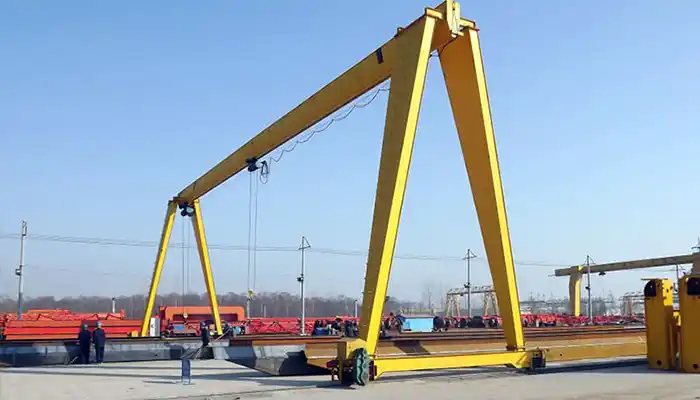
A warehouse gantry crane is basically a crane system supported by legs that run on rails laid on the ground, rather than being suspended from above. Imagine a big frame that moves over your steel stockyard, carrying heavy loads from one spot to another. It's often used in open or semi-covered warehouse yards where you have plenty of space to operate.
Gantry cranes are tough and versatile. They can handle very heavy steel products-think large slabs or coils weighing multiple tons. Because the crane moves on rails that can stretch for long distances, they're great for wide stockyards where loads need to be moved outdoors or across uneven terrain.
Why gantry cranes work well in steel yards:
Can carry very heavy loads, often up to 50 tons or more
Span length can be customized, sometimes reaching 20 meters or beyond
Ideal for outdoor or semi-covered yards where overhead cranes aren't practical
Easy to install without major building modifications
If your warehouse has open spaces or you frequently handle very heavy steel plates or coils outdoors, gantry cranes are a solid choice.
Warehouse Bridge Cranes for Steel
Bridge cranes-sometimes called overhead cranes-are mounted on rails fixed high above the warehouse floor, usually attached to the building's steel structure or runway beams. They come mainly in two styles: single girder and double girder.
Single girder cranes have one main beam and are typically used for lighter loads or smaller spans.
Double girder cranes have two beams and are better suited for heavier loads and longer spans, offering more stability and capacity.
These cranes are perfect for indoor warehouses where space is limited and overhead lifting is necessary. Because the crane runs on fixed rails, they allow precise movement along the length and width of the warehouse, making it easier to handle steel coils, slabs, or billets safely and efficiently.
Key points for bridge cranes in steel warehouses:
Load capacities can range from a few tons up to 50+ tons, depending on design
Span length depends on warehouse size but can be customized
Suitable for indoor use with fixed runway systems
Provides precise load positioning and smooth operation, essential for heavy steel products
Commonly paired with magnetic or clamp attachments for handling steel coils and slabs
For warehouses with solid roofs and enough ceiling height, bridge cranes offer a controlled, space-saving way to move steel products without obstructing floor space.
Specialized Crane Attachments for Steel Handling
Magnetic Crane Attachments
Magnetic attachments are a popular choice for lifting steel products because they can grab loads without the need for chains, hooks, or slings. There are two main types:
Electromagnets: These require power to create a magnetic field. When the power is on, the magnet holds the load; when switched off, the load is released.
Permanent magnets: These don't need power to hold the load but usually come with a mechanical switch or lever to turn the magnet's grip on and off safely.
Magnetic cranes are widely used for lifting steel coils, slabs, and sheets. Because magnets can quickly attach and release loads, they speed up handling operations significantly. Plus, they reduce manual labor and minimize the risk of damaging steel surfaces by avoiding hooks or clamps that might scratch or dent the material.
Benefits of magnetic attachments:
Faster load pick-up and drop-off, improving workflow speed
Safer handling by reducing the need for manual load positioning
Less wear and tear on steel products due to non-contact gripping
Suitable for a variety of steel thicknesses and surface conditions
However, choosing the right magnet size and power is key. Too weak a magnet won't hold heavy loads securely, while an oversized magnet might be unnecessarily expensive and bulky. Also, surface conditions matter-a clean, flat steel surface provides the best magnetic grip, while rust, scale, or coatings can reduce effectiveness.
Mechanical Clamps and Grabs
While magnets work great for many steel products, they're not always the best option. For example, coated steel sheets or painted surfaces may be damaged by magnets. Also, some steel products have shapes or surface textures that make magnetic lifting unreliable.
In these cases, mechanical clamps or slab grabs come into play. These attachments use hydraulic pressure or mechanical arms to securely grip steel slabs, billets, or coils without slipping. They're adjustable to fit different sizes and can handle rougher surfaces or coated materials safely.
What to know about clamps and grabs:
Hydraulic clamps provide strong, even pressure for secure holding
Slab grabs are designed to pick up large, flat steel plates safely
Require regular maintenance to keep hydraulic systems leak-free and responsive
Operators must be trained to ensure correct attachment and safe use
Mechanical attachments usually involve more manual setup than magnets but can be essential for materials where magnetism isn't practical or safe.
Case Examples
Steel Coil Handling with Magnetic Gantry Cranes
In large steel stockyards, handling heavy coils efficiently is critical. Magnetic gantry cranes are often the go-to solution because they combine strength with speed. The setup usually involves a gantry crane mounted on rails that cover a wide outdoor area. The crane is equipped with powerful electromagnetic attachments designed specifically for coils.
This setup allows operators to pick up coils quickly without the hassle of hooking or clamping, which can take extra time and risk damaging the steel. The magnet can easily lift coils directly from stacks or trucks, then move and place them precisely where needed-whether onto storage racks, trailers, or processing lines.
Benefits of using magnetic gantry cranes for coil handling:
Fast pick-up and release of heavy coils, reducing loading times
Safer operation by minimizing manual intervention
Ability to handle coils of different sizes with adjustable magnet strength
Reduced risk of surface damage compared to mechanical clamps or hooks
Wide coverage area for flexible stockyard layouts
Key performance highlights include:
Load capacities typically ranging from 10 to 50 tons or more
Span lengths customizable to fit large yard widths, sometimes exceeding 20 meters
Smooth travel speed on rails, improving material flow
Simple controls allowing precise placement and stacking
This system works best in stockyards with plenty of space and a high volume of coil movements, where efficiency and safety are top priorities.
Billet handling crane
Slab and Billet Lifting with Bridge Cranes and Mechanical Clamps
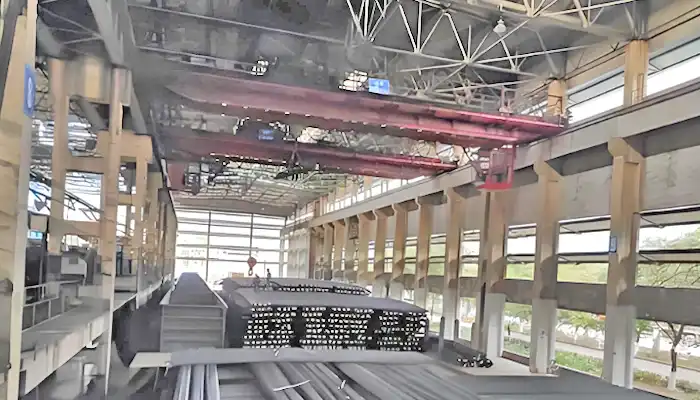
When it comes to lifting steel slabs and billets inside warehouses or covered yards, overhead bridge cranes paired with mechanical clamps are a common and reliable choice. These cranes run on rails fixed high above the floor, providing easy movement across the facility's length and width.
Mechanical clamps or slab grabs attach firmly to the steel slabs or billets, allowing for safe vertical lifting and horizontal transport. Because slabs can be very heavy and sometimes uneven in shape, clamps provide a secure grip where magnets might struggle, especially if the steel is coated or rough.
Typical configurations and benefits:
Double girder bridge cranes with high load capacities, often 15 tons and above
Hydraulic clamps designed to adjust to different slab thicknesses and sizes
Smooth hoisting and trolley movement for precise load positioning
Capability to handle single slabs or bundled loads safely
Safety and operational tips:
Always inspect clamps before use to ensure hydraulic pressure and mechanical parts are in good condition
Train operators on proper clamp attachment techniques to prevent slips or dropped loads
Use load indicators or sensors where possible to avoid overload
Regularly maintain crane rails and runway beams to avoid sudden jerks or uneven travel
This setup is widely favored in warehouses focused on slab and billet storage, where indoor conditions and precise control over heavy loads are essential.
Maintenance and Safety Considerations
Keeping your crane system running safely and smoothly means regular maintenance and careful attention to safety. This isn't just about following rules - it's about protecting your team, your equipment, and your steel products.
Routine Inspection for Crane Structural and Mechanical Parts
Crane structures take a lot of stress, especially in steel warehouses handling heavy loads every day. Regular inspections help catch wear, cracks, or loose bolts before they become serious problems.
Check main girders, runway beams, and end trucks for any signs of fatigue or deformation
Inspect hoist ropes, chains, and sheaves for wear and proper tension
Test brakes and limit switches to ensure they respond correctly
Look over electrical systems for damaged cables or poor connections
Document inspections and schedule repairs promptly to avoid unexpected breakdowns that could halt operations.
Magnet Attachment Maintenance and Safety Checks
Magnetic crane attachments require their own special care to keep holding power reliable and safe.
For electromagnets, check coil insulation and electrical wiring regularly to avoid shorts or failures
Clean magnet surfaces to ensure good contact with steel loads-dirt and rust reduce gripping strength
Test magnet strength frequently and compare with manufacturer specifications
For permanent magnets, inspect mechanical switching mechanisms for wear or damage
Always follow manufacturer guidelines for maintenance intervals and procedures to keep magnets working at their best.
Operator Training and Safety Protocols
No matter how good your crane system is, it's only as safe as the people who operate it.
Train operators thoroughly on the specific crane and attachments they'll use, including emergency stops and safe load handling
Make sure operators understand load charts, crane capacity, and the importance of never exceeding limits
Establish clear communication signals or radio protocols for crane movements in busy warehouses
Enforce use of personal protective equipment (PPE) and safe work zones around crane operation areas
Regular refresher training and safety drills help keep safety top of mind and reduce accidents caused by human error.
Regular maintenance combined with well-trained operators creates a safer, more efficient steel warehouse environment. It's an investment that pays off in fewer downtime hours, lower repair costs, and, most importantly, a safer workplace.
Conclusion
Choosing the right crane system is a crucial step toward running a steel warehouse that's both efficient and safe. Whether you opt for a gantry crane for outdoor stockyards or a bridge crane with specialized attachments for indoor use, the right equipment makes handling heavy steel coils, slabs, and billets easier and more reliable.
Before making a decision, take a close look at your warehouse's unique needs - load weights, space constraints, operating environment, and workflow. There's no one-size-fits-all solution, so understanding your specific challenges will guide you to the best crane system.
If you want a setup that fits perfectly and keeps your operation running smoothly, it's a good idea to consult crane experts. They can provide tailored advice, technical drawings, and detailed quotes to help you get the most out of your investment.


