


Selecting the right straddle carrier directly impacts operational efficiency, safety, and ROI. Buyers must match load capacity, stacking height, and yard layout to the carrier type and features.
Key Takeaways
Determine the maximum load weight and include a safety margin to avoid overloading.
Match carrier type (chain, toplift, telescopic) with yard operations and container sizes.
Consider stacking height, lane width, and turning radius to optimize yard layout.
Assess operating environment-indoor/outdoor, ground conditions, climate-to ensure durability.
Understand pricing drivers, including customization, automation, and after-sales support.
Ask suppliers precise questions about delivery, maintenance, multi-layer lifting, and warranty.
Questions Solved Here:
Which straddle carrier capacity fits my containers?
What type of straddle carrier is best for my yard layout?
How to plan for multi-layer stacking and ground clearance?
What affects the price of a straddle carrier, and what should I ask suppliers?
Introduction
A straddle carrier is a machine built to lift, move, and stack containers in ports, container yards, and industrial sites. Unlike forklifts or gantry cranes, it carries containers while straddling them, so you don't need extra lifting equipment.
This design allows it to move containers over lanes smoothly, keeping operations flowing. If your yard has a lot of container traffic, a straddle carrier keeps things moving without constant delays. It's not fancy; it's practical and gets the job done day in and day out.
+What is a Straddle Carrier?
+Where Straddle Carriers Are Used
+Why Choosing the Right Model Matters
+Practical Factors to Consider Before Buying
Determining Your Requirements
Choosing the right straddle carrier isn't just about picking a model off the shelf. Your yard, container types, and workflow all matter. Before you make a purchase, it's important to understand exactly what your operation needs. This ensures the carrier you buy will work safely, efficiently, and last for years.
+Load Capacity & Safety Margins
+Stacking Height & Yard Layout
+Operating Environment
+Speed, Maneuverability, and Cycle Time
Types of Straddle Carriers
Not all straddle carriers are built the same. Different types are better suited for certain containers, yard layouts, and workloads. Choosing the right type ensures safe handling, smooth operations, and better efficiency. Let's take a closer look at the main types commonly available.
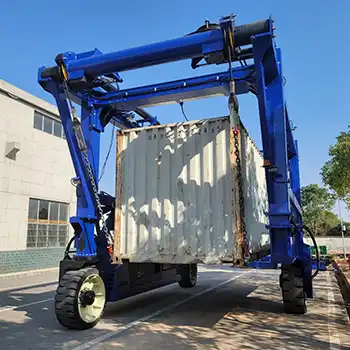 chain type container straddle carrier
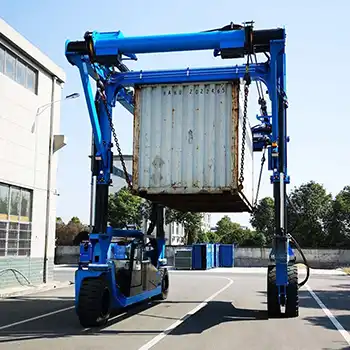 Telescopic Chain Container Straddle Carrier
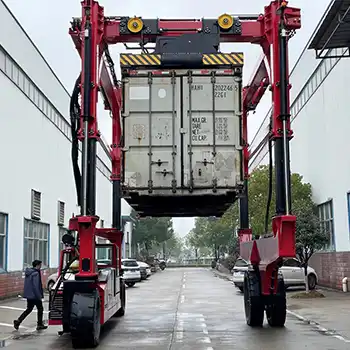 Telescopic Toplift Container Straddle Carrier
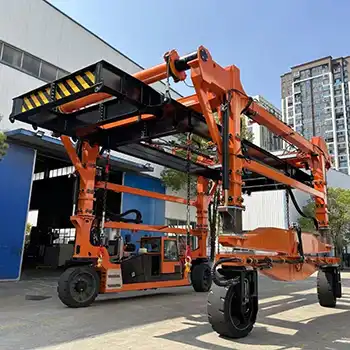 Multifunctional straddle carrier
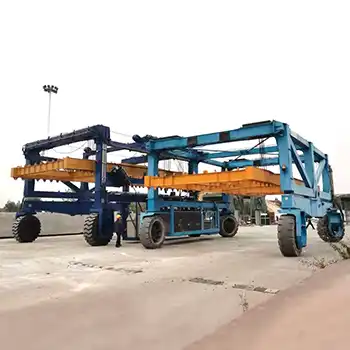 Multifunctional straddle carrier
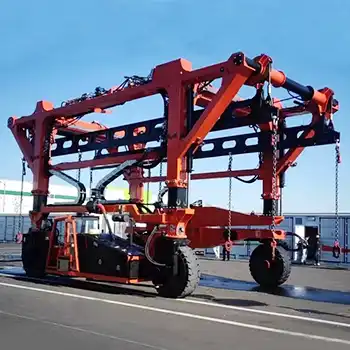 Multifunctional straddle carrier
+Chain-Type Straddle Carriers
+Toplift Straddle Carriers
+Telescopic Straddle Carriers
+Comparison Table of Straddle Carrier Types
This breakdown helps you see at a glance which type matches your yard, container size, and operational needs. Remember, speed, capacity, and stacking flexibility are all connected-choosing the wrong type can slow down operations or increase maintenance costs.
Pricing Considerations
Buying a straddle carrier is a significant investment, and price is more than just a number on a quote. Understanding what drives the cost, the typical price ranges, and how to approach procurement can save you money and prevent headaches later.
+Cost Drivers
+Typical Price Ranges
+Procurement Best Practices
Questions Buyers Should Ask Suppliers
Before purchasing a straddle carrier, buyers should clarify key technical and operational details with suppliers. These questions help ensure the equipment matches real yard conditions, not just catalog specifications.
+What is the maximum lifting capacity with safety margin?
+Can it handle multi-layer stacking for my yard layout?
+What are the ground and lane requirements?
+What is the delivery timeline and after-sales support?
+Are automation options or upgrades available?
Conclusion
Choosing the right straddle carrier isn't just picking a machine off a catalog-it's about matching the carrier to your yard's workload, container sizes, and operational environment. You need to balance lifting capacity, stacking height, lane layout, and long-term maintenance when making a decision.
A carefully selected carrier improves safety, keeps containers moving efficiently, and reduces costly downtime. Over time, this translates into real savings and a smoother workflow across your yard or port. By considering all the details-weight limits, multi-layer stacking, ground conditions, and potential automation-you make an investment that pays off daily.
Practical takeaways:
Pick a carrier that handles the heaviest loads with a proper safety margin.
Ensure multi-layer stacking fits your yard layout and container throughput.
Match the carrier's speed, maneuverability, and durability to your operating environment.
Factor in pricing, maintenance, and after-sales support for long-term cost efficiency.
Future-proof your purchase with options for upgrades or automation if needed.
If you're ready to improve container handling, reduce risks, and maximize productivity, reach out to suppliers today. Get a tailored quote for a straddle carrier for sale that matches your yard's specific needs, load requirements, and operational workflow. A well-chosen carrier keeps your operation running reliably and efficiently, year after year.


