


Introduction
Choosing the right rail mounted gantry (RMG) crane is more than just picking a piece of equipment. It has a direct impact on how smoothly your terminal or yard operates, how safe your team stays, and how much money you spend-not only upfront but over the long haul.
Many buyers look for RMG cranes because they're building new terminals, expanding existing yards, or replacing old cranes that no longer meet their needs. Whatever the reason, making an informed choice helps avoid costly mistakes and downtime.
This guide walks you through the entire buying process. From finding trustworthy suppliers, checking important specs, comparing brands from different parts of the world, to practical tips on negotiation and after-sales support - you'll get a solid understanding of what to look for when shopping for an RMG crane.
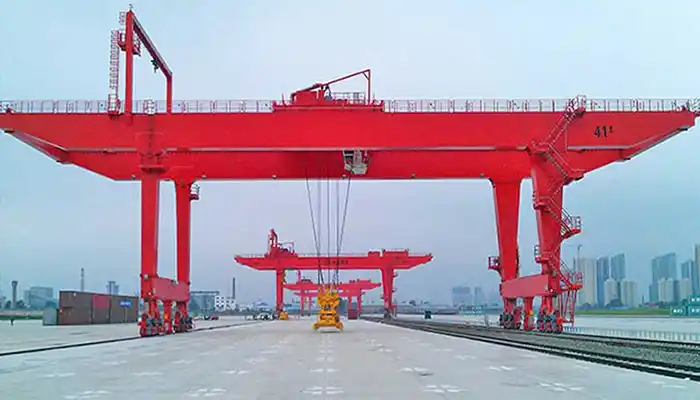
Where to Source RMG Cranes
Global Manufacturing Hubs
Choosing the right manufacturing region is a crucial step in sourcing your RMG crane. Each region offers unique advantages and challenges. Understanding these differences will help you make a more informed choice.
China: Competitive Pricing and Wide Variety
China dominates the global RMG crane market. Many manufacturers offer a broad range of models and can customize designs to your exact needs. Prices are often lower compared to other regions, and factories have high production capacities, enabling faster delivery times.
However, quality and service levels can vary widely. It's important to carefully evaluate the factory's certifications, manufacturing processes, and quality control systems before committing. Inspections, audits, or even third-party quality checks are recommended.
Pros: Low cost, flexible customization, fast lead times
Cons: Variable quality, potential communication challenges
Europe: High-Quality Engineering and Reliable Support
European manufacturers focus on precision engineering, durability, and advanced automation features. Their cranes often meet strict safety and environmental standards and come with extensive warranties and dependable after-sales support.
While prices tend to be higher, investing in a European RMG crane can reduce long-term maintenance and operational risks, making it suitable for terminals with demanding workloads and strict compliance requirements.
Pros: Superior quality, advanced technology, strong service network
Cons: Higher upfront cost, longer lead times
Other Regions: Emerging Manufacturers with Growing Capabilities
Countries such as South Korea, India, and the Middle East have emerging RMG crane manufacturers offering competitive options. These suppliers may provide a balance between cost and quality, especially for local or regional projects.
However, the global support network and product maturity may be limited, so due diligence on engineering expertise and post-sale service is crucial.
Pros: Competitive pricing, suitable for regional projects
Cons: Limited global presence, varying service quality
Buying Channels
Once you identify your preferred manufacturing region, selecting the right purchasing channel is equally important for a smooth buying experience
Direct Factory Purchase
Buying directly from the manufacturer usually results in better pricing and greater control over product specifications and customizations.
However, this approach requires clear communication and technical understanding to avoid misunderstandings during production. Also, you will need to manage quality inspections, shipping, and installation coordination.
Benefits: Cost savings, customization control
Challenges: Requires technical knowledge, project management
Authorized Distributors or Agents
Many buyers prefer working with authorized local distributors or agents. These intermediaries simplify logistics, provide installation support, and often offer ongoing maintenance and spare parts availability.
This can be especially helpful for buyers new to RMG cranes or unfamiliar with international trade. However, the added service layer may increase total cost.
Benefits: Simplifies process, local technical support
Challenges: Higher price, possible less direct communication with factory
Online Marketplaces and Trade Shows
Online platforms like Alibaba allow access to many suppliers worldwide, making it easier to compare pricing and product features. But be cautious and verify supplier credibility before purchasing online.
Attending major trade shows such as Bauma (Munich) or Intermodal Europe provides an excellent opportunity to see equipment firsthand, meet manufacturers, and discuss technical details in person. This can build trust and help you negotiate better terms.
Benefits: Wide supplier access, hands-on product evaluation
Challenges: Requires careful supplier vetting, travel cost
Practical Tips Before Making a Purchase
Buying an RMG crane is a significant investment. To protect your interests and ensure a good outcome, keep these practical tips in mind:
Verify Factory Certifications: Always ask for quality and safety certifications such as ISO 9001 and CE marking. These confirm that the manufacturer follows recognized industry standards.
Request Client References and Case Studies: Speaking with previous customers or reviewing detailed project reports helps you understand the supplier's reliability and product performance.
Conduct Factory Visits or Virtual Inspections: Inspecting the manufacturing process firsthand or through detailed virtual tours can give you confidence in the supplier's production capabilities and quality control.
Evaluate After-Sales Support: Confirm the availability of local service centers, spare parts, and technical support. Quick response times in maintenance reduce downtime and operating costs.
Clarify Warranty and Maintenance Terms: Understand what is covered by warranty, the duration, and recommended maintenance schedules. Consider suppliers offering maintenance training or service contracts.
How to Select Reliable Suppliers
Choosing the right supplier is key to getting a quality RMG crane that fits your operational needs and delivers long-term value. Here are some practical steps to ensure you're working with a trustworthy and capable manufacturer.
Verify Certifications and Compliance
Start by confirming the supplier's official certifications. Certifications like ISO 9001 (quality management system) and CE marking (European safety standard) indicate that the factory follows recognized production and safety standards.
Also, check if the supplier holds any industry-specific approvals or licenses relevant to heavy lifting equipment. This helps ensure their cranes meet local regulations and international best practices.
ISO 9001 for quality management
CE marking for safety compliance
Relevant industry or regional certifications
Assess Production Facilities
A factory visit is one of the best ways to evaluate the supplier's manufacturing capability and quality controls. If an in-person visit isn't possible, request a virtual tour of the production line.
Look for:
Modern machinery and equipment
Skilled workforce and engineering teams
Quality control checkpoints throughout production
Organization and cleanliness of the facility
Evaluate Experience and Engineering Expertise
Not all crane manufacturers have deep experience with RMG cranes specifically. Ask about their track record designing and producing RMG cranes.
How many RMG cranes have they built?
Do they handle customized designs to fit unique site requirements?
Can they provide engineering drawings and detailed technical documentation?
Request Case Studies and Testimonials
Past project references are invaluable. Ask for case studies or testimonials from clients in industries similar to yours or projects with similar scale and complexity. This will give you insight into:
Crane performance in real-world conditions
Supplier responsiveness and problem-solving ability
Long-term durability and maintenance support
Consider Technical Support and After-Sales Services
The supplier's support doesn't end after delivery. Choose manufacturers who offer comprehensive services, including:
Technical consulting during the design and specification phase
On-site assembly and commissioning assistance
Operator training and maintenance guidance
Prompt after-sales service and spare parts availability
Selecting the right supplier with proven experience, solid certifications, and reliable after-sales support will save you time and money, ensuring your RMG crane performs efficiently for years to come
Key Specifications to Verify Before Purchase
Before finalizing your RMG crane purchase, it's essential to carefully review several critical specifications. Getting these right will ensure the crane meets your operational needs safely and efficiently.
Lifting Capacity
The crane's lifting capacity should comfortably handle your heaviest expected loads. Always allow a safety margin beyond your maximum weight to avoid overloading and extend equipment life.
Match capacity to the heaviest containers or cargo you plan to move
Consider future growth or heavier loads that may come with operational changes
Factor in dynamic load impacts during lifting
Span and Lifting Height
Make sure the crane's span is wide enough to cover all container rows, truck lanes, or cargo stacks in your yard or terminal. Also, verify the lifting height allows safe stacking and clearance under overhead structures.
Confirm span covers the full working width with some buffer for positioning flexibility
Ensure lifting height accommodates the tallest container stacks or cargo loads
Account for operator visibility and safety clearance
Automation Features
Decide which level of automation aligns with your operational goals and budget: manual, semi-automatic, or fully automated. Automation can improve speed and safety but may require higher upfront investment.
Manual control for basic operations and lower cost
Semi-automatic for partial automation and better precision
Fully automated systems for maximum efficiency and integration with terminal management software
Structural Design and Material Quality
Verify that the crane uses high-strength steel with proper welding standards to withstand heavy-duty use. The design should balance strength with durability and ease of maintenance.
Confirm compliance with relevant structural codes and standards
Ask for material specifications and welding certifications
Inspect design features that reduce wear and simplify repairs
Safety Features
Safety should never be compromised. Ensure the crane includes essential safety devices such as limit switches, anti-collision systems, overload protection, and emergency stop functions. Additionally, check compliance with local safety regulations and international standards.
Limit switches to prevent over-travel
Anti-collision systems to protect equipment and personnel
Load monitoring and overload protection devices
Emergency stop controls accessible to operators
Power Supply Compatibility
The crane's electrical system must match your site's power supply, including voltage and frequency standards. This avoids costly modifications or downtime after installation.
Confirm voltage, phase, and frequency match your site's electrical infrastructure
Check compatibility with energy-efficient drives or variable frequency controls if required
Verify grounding and electrical safety compliance
Double-checking these specifications before purchase helps ensure your RMG crane will operate smoothly, safely, and reliably in your specific working environment.
Comparing Global Brands and Models
When selecting an RMG crane, it's important to understand how price differences often reflect variations in build quality, technology, and included features. Being aware of these factors helps you balance cost with long-term value.
Pricing vs. Quality and Features
Generally, lower prices may come with compromises in material quality, precision, or after-sales support. On the other hand, higher-priced models often include advanced automation, better components, and extended durability. Your choice should align with your operational priorities and budget.
Chinese Manufacturers: Cost-Effective with Some Caveats
Chinese RMG crane manufacturers tend to offer the most competitive upfront pricing and a wide range of customizable options. Their production capacity allows for shorter lead times and flexible solutions.
Pros: Lower initial cost, broad product range, fast delivery
Cons: Quality and reliability vary; careful vetting and warranty clarity are crucial
Tip: Verify manufacturing certifications, request references, and check warranty terms thoroughly
European Brands: Advanced Technology and Reliability
European manufacturers typically produce cranes with higher-grade materials and integrate sophisticated automation and safety features. Their cranes are built for longevity and demanding environments, backed by strong warranties and reliable service networks.
Pros: Superior engineering, advanced controls, dependable after-sales support
Cons: Higher purchase price and sometimes longer delivery times
Ideal for: Terminals with high throughput and strict compliance needs
Key Factors Beyond Price
Warranty Length: Longer warranties indicate supplier confidence and protect your investment
Spare Parts Availability: Ensure parts can be sourced quickly locally or through distributors
Technical Service: Responsive, knowledgeable support minimizes downtime and repair costs
Customization Ability: Suppliers who tailor designs to your yard layout, power supply, and regulatory requirements offer better long-term value
By carefully comparing brands on these criteria, you can select an RMG crane that fits your operational needs, budget, and site conditions while avoiding costly surprises down the road.
Negotiating Price and Terms
Negotiating the price and contract terms is a crucial stage in buying an RMG crane. Knowing what to expect and what to ask for helps protect your investment and avoid surprises later.
Break Down the Price Components
The total price is rarely just the crane itself. Be sure to ask for a detailed breakdown that includes:
Base crane cost: The price of the standard crane model with basic specifications
Optional upgrades: Automation systems, custom paint, enhanced safety features, etc.
Shipping and logistics: Freight charges from factory to your site, including packaging costs
Customs and import fees: Duties, taxes, and clearance costs at the destination country
Installation and commissioning: On-site assembly, testing, and certification expenses
Discuss Payment Schedules Linked to Milestones
To manage your cash flow and ensure supplier commitment, agree on payment terms tied to project milestones. Common arrangements include:
Initial deposit upon contract signing
Progress payments after design approval or factory inspection
Balance payment upon delivery or successful commissioning
This staged payment approach protects both parties and encourages timely progress.
Confirm Lead Times and Delay Penalties
Clear agreement on lead times is critical to avoid costly project delays. Make sure the supplier provides:
A firm delivery schedule based on your project timeline
Clauses detailing penalties or compensation if deadlines are missed
Alternatives such as expedited shipping options if delays occur
Having these details in writing helps hold the supplier accountable.
Get Technical Specifications and Responsibilities in Writing
Contracts should include comprehensive documentation covering:
Detailed technical specifications and design drawings
Exact scope of supply, including any accessories or software
Clear delineation of responsibilities: who handles installation, testing, training, and warranty service
This reduces misunderstandings and clarifies expectations.
Plan for Installation Support
Installation can be complex. Confirm what support the supplier will provide:
Will they send experienced technicians to supervise or perform assembly onsite?
Or will you receive only manuals and remote guidance?
What training is included for your operators and maintenance team?
A supplier that offers hands-on installation and training support can significantly reduce startup issues and downtime.
Approaching negotiations with a clear understanding of costs, timelines, and responsibilities helps ensure a smooth purchase process and a successful crane deployment
Additional Tips for a Smooth Purchase
Buying an RMG crane is more than just signing a contract and waiting for delivery. Planning every step carefully helps avoid delays and unexpected costs.
Clarify Installation Requirements Early
Before installation begins, ensure you have a clear understanding of what your site needs. This includes:
Foundation and rail preparation: Make sure your yard's foundation and rail system meet the manufacturer's specifications for load-bearing capacity and alignment. Poor foundation work can cause operational issues and damage the crane.
Site access: Confirm that the crane and any installation equipment can easily reach the site, considering road conditions, clearance heights, and local regulations.
Getting these details right in advance saves costly adjustments during installation
Plan for Operator Training and Maintenance Support
The best crane is only as good as the people who operate and maintain it. Coordinate with your supplier to schedule:
Operator training: Ensure operators understand all controls, safety procedures, and emergency protocols. Well-trained staff improve safety and efficiency.
Maintenance training: Train your technicians on routine checks, lubrication, and troubleshooting to minimize downtime.
Suppliers that provide hands-on training or detailed manuals add value here
Explore Remote Support and Service Agreements
Many modern suppliers offer remote diagnostics, troubleshooting, or service contracts to reduce downtime. Ask about:
Remote monitoring or technical support options to quickly resolve issues
Preventive maintenance service plans that schedule regular inspections and part replacements
These services can keep your crane running smoothly with fewer surprises.
Budget for Spare Parts and Preventive Maintenance
It's wise to keep a stock of critical spare parts like brake pads, wire ropes, and electrical components. Also, set aside budget for:
Regular preventive maintenance to catch wear before it becomes a problem
Emergency repairs that could occur during the crane's life cycle
Proper maintenance extends your crane's lifespan and avoids costly breakdowns
Consider Total Cost of Ownership
Don't focus only on the initial purchase price. The total cost includes:
Installation and commissioning costs
Training and support expenses
Maintenance and spare parts
Energy consumption and operating costs
Looking at the bigger picture helps you select the most cost-effective solution over the long run.
Conclusion
Selecting the right RMG crane and supplier is a balance of cost, quality, and service.
Take the time to research manufacturers thoroughly and compare offers carefully.
Use detailed checklists to verify specifications and supplier capabilities.
Prioritize suppliers who provide customized solutions tailored to your site and offer long-term support.
If you're unsure, consulting with industry experts or hiring professional advisors can make a big difference. Remember, well-informed decisions pay off in operational efficiency, safety, and overall return on investment.


