


The overload limit switch of the electric hoist is an important safety device to ensure the smooth progress of safe lifting work. It is widely used on CD MD type wire rope hoists of bridge cranes and gantry cranes.
Actual picture of electric hoist overload limit switch
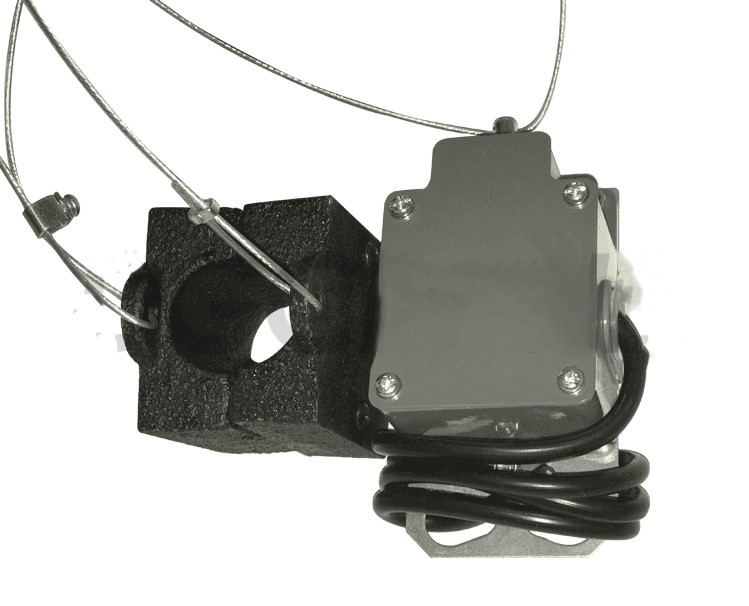

Working principle
The overload limit switch works based on the mechanical or electronic detection of excessive force or weight on the hoist. When the hoisting load exceeds the rated capacity of the hoist, the overload limit switch is triggered.When the load reaches the maximum allowable weight (which could be pre-set during installation), the switch operates, either mechanically or electronically.It uses a spring-loaded lever or other mechanical components to sense when the load exerts more than the specified force. Once this threshold is crossed, the lever moves and activates the switch, which then interrupts the power circuit.This version utilizes electronic sensors, strain gauges, or load cells to measure the load accurately. When the electronic sensor detects an overload, it sends a signal to the control system to stop the hoist or take some corrective action (such as lowering the load).Once triggered, the overload limit switch will cut off the power to the hoist motor, preventing further lifting or lowering operations. This feature helps prevent accidents, damage to the hoist, and potential safety hazards due to overloading.After an overload condition is cleared (the excessive load is removed), the limit switch can be reset manually or automatically based on the control system's design. This reset action restores normal operation of the hoist, allowing it to work within safe parameters.
Installation Method
1. Place the weight of the switch into the wire rope and connect it firmly with U-bolts.
2. Fix the switch body to the bracket of the hoist housing with bolts.
3. Connect the contacts of the weight and the switch body with ropes, and check whether the switch contacts are flexible.
4. Power on the test run, check and debug the switch to ensure that it meets the requirements of on-site use.
Note: This switch device has a limit function only when the hoist hook is in the upper limit position. When the hook is in the lower limit position, there is no limit function.
The overload limit switch is typically installed near the hook or the lifting mechanism of the electric hoist. It should be positioned in a way that it monitors the lifting or pulling force applied to the hoist.The overload limit switch is wired into the control system of the electric hoist. It connects to the motor and other electronic components to monitor the load. The switch is usually installed in series with the motor's power supply circuit. This means that when the load exceeds a pre-set value, the switch interrupts the power supply to the motor, thereby stopping the hoist.
In summary the overload limit switch can be mounted directly to the hoist hook or through a support bracket. Proper alignment and adjustment are necessary to ensure accurate monitoring of the load. This involves calibrating the switch to trigger at the desired overload value.By following these guidelines, electric hoists equipped with overload limit switches can operate safely and efficiently while providing protection against overload situations.


