


Most Important Takeaway
Choosing the right straddle carrier crane-chain-type, toplift, or telescopic-directly impacts yard efficiency, load handling safety, and operational costs. Selecting based on load capacity, stacking height, and workflow ensures maximum ROI.
Understand load capacity differences and which crane suits your heaviest containers.
Compare stacking heights for multi-tier container storage or industrial applications.
Evaluate operational efficiency for faster container handling or modular cargo movement.
Learn which straddle carrier type minimizes maintenance and downtime.
Determine yard layout compatibility and route flexibility.
Solve practical questions:
Which straddle carrier type handles oversized or heavy containers safely?
What is the fastest option for frequent lifting and repositioning?
Which model offers long-term cost efficiency and low maintenance?
Introduction
Straddle carrier cranesare a common sight in container ports, logistics hubs, and industrial yards. You see them moving containers from trucks to stacks, shifting heavy modules across a yard, or lifting loads that forklifts simply can't handle. These machines are not just lifting equipment-they are central to keeping operations smooth and safe. Choosing the right type of straddle carrier can make a noticeable difference in efficiency, cost, and safety for any industrial or port operation.
Picking the wrong crane isn't just an inconvenience. It can slow down your workflow, increase maintenance costs, and even create safety risks. That's why understanding the differences between chain-type, toplift, and telescopic straddle carriers matters before making a purchase.
+Why the Right Straddle Carrier Matters
+Three Main Types of Straddle Carriers
+Practical Industrial Considerations
Types of Straddle Carrier Cranes
Straddle carrier cranes aren't all the same. Each type has a specific way of lifting and moving containers, and knowing the differences helps you pick the right one for your yard, workflow, and cargo. Let's break them down.
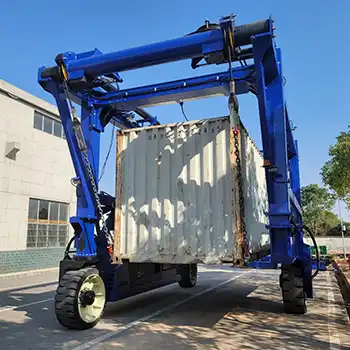 chain type container straddle carrier
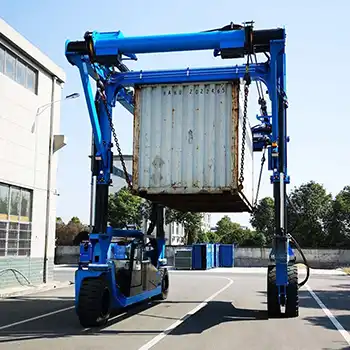 Telescopic Chain Container Straddle Carrier
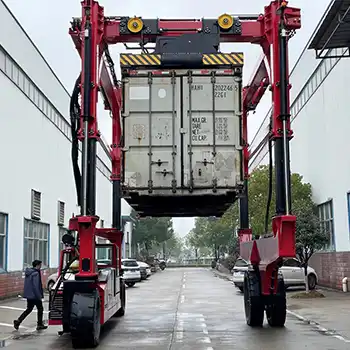 Telescopic Toplift Container Straddle Carrier
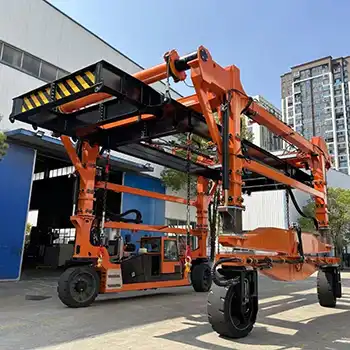 Multifunctional straddle carrier
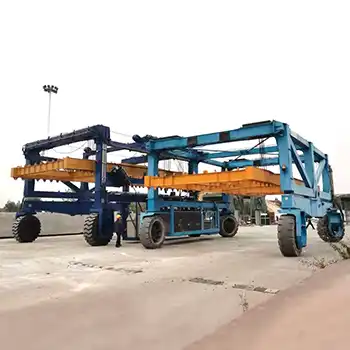 Multifunctional straddle carrier
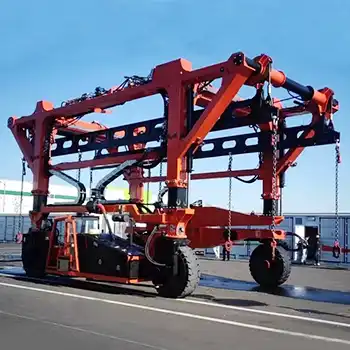 Multifunctional straddle carrier
+Chain-Type Straddle Carrier: Heavy-Duty Workhorse
+Toplift Straddle Carrier: Speed and Precision
+Telescopic Straddle Carrier: Flexible and Adaptive
+Summary of Key Practical Points
| Feature | Chain-Type Straddle Carrier | Toplift Straddle Carrier | Telescopic Straddle Carrier |
|---|---|---|---|
| Lifting Mechanism | Chain hoist lifts load from bottom |
Overhead frame clamps top corners |
Extendable arms adjust to container length |
| Ideal Load | Very heavy containers or industrial modules |
Medium-weight containers | Mixed container sizes or modular loads |
| Stacking Height | Limited usually single-tier |
Moderate standard stacking |
Multi-tier optimized for space |
| Speed / Cycle Time | Slower | Faster than chain-type | Moderate depends on arm extension |
| Precision | Basic alignment stable under load |
High precision accurate placement |
Flexible handles variable lengths |
| Yard Suitability | Heavy-duty industrial yards | High-turnover terminals | Flexible yards with space constraints |
| Pros | Robust, durable simple maintenance |
Fast, precise efficient for repetitive moves |
Flexible, multi-tier stacking adaptable to different sizes |
| Cons | Slow, limited stacking less flexible |
Lower max load less flexible for oversized loads |
Higher cost, complex requires skilled operators more maintenance |
| Practical Notes | Best for predictable, heavy loads minimal training |
Great for standard containers frequent moves |
Best for mixed loads & limited space plan for training & higher cost |
Critical Comparison Metrics
When choosing a straddle carrier crane, understanding key performance metrics is essential. These metrics help buyers match the crane to their operational needs, yard layout, and cargo type. Let's break down the most important factors.
+Load Capacity
+Stacking Height & Reach
+Operational Efficiency
+Maintenance, Reliability & Safety
+Cost Considerations
Practical Applications & Use Cases
Straddle carrier cranes perform differently depending on the type, load, and yard layout. Understanding which type fits which scenario can save time, reduce costs, and improve safety. Here's a practical breakdown.
+Chain-Type Straddle Carrier
+Toplift Straddle Carrier
+Telescopic Straddle Carrier
+Quick Summary for Buyers
Buyer Decision Guide
Selecting the right straddle carrier crane isn't just about picking the biggest or fastest model. It's about matching the equipment to your yard, workflow, and operational goals. This guide helps buyers make informed choices.
+Key Questions to Ask Suppliers
+How Yard Layout & Operations Affect Choice
+Safety, Compliance & Future Planning
+Practical Takeaway
Conclusion
Choosing the right straddle carrier crane is more than a technical decision-it directly impacts your yard's efficiency, safety, and long-term return on investment. Selecting a model that matches your operational needs ensures smooth workflow, reduces downtime, and protects both your cargo and workforce.
Chain-type straddle carriers excel in heavy-duty yards where maximum load stability is essential.
Toplift carriers offer speed and precision, making them ideal for fast-moving terminals.
Telescopic carriers provide flexibility and space optimization, especially in yards handling mixed container sizes or multi-tier stacking.
Understanding your load types, stacking requirements, and operational workflow is key before making a purchase. These factors help determine which crane type fits your yard layout, cargo handling, and long-term operational plans.
Finally, always consult with suppliers to explore tailored solutions. A crane that matches your specific needs-whether in capacity, reach, or efficiency-delivers better results and a safer, more cost-effective operation.


