


Jib cranes are essential tools for lifting and moving heavy objects in a variety of industries, including manufacturing and construction. Purchasing a jib crane can be a big investment, so it's vital to understand your needs and options to make an informed decision. In this article, we'll look at some of the key factors to consider when buying a jib crane, including the different types of jib cranes, load capacities, and mounting options.
Types of Jib Cranes
When you want to buy a jib crane, it's important to choose the type of jib crane you want. There are different types of jib cranes on the market, each with its own unique features and uses. Here are some common jib crane types:
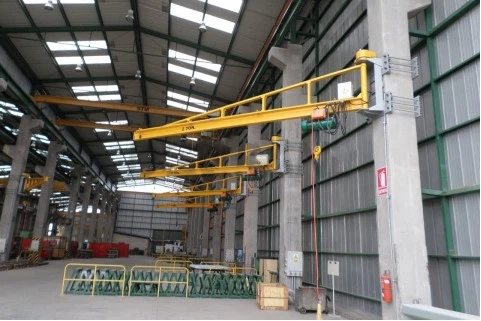
Wall-mounted jib cranes
As the name implies, a wall-mounted jib crane is mounted on a wall or column, making it an ideal choice for facilities with limited floor space. A wall-mounted jib crane can rotate 180 degrees, making it easy to maneuver loads within its working range.
Freestanding jib crane
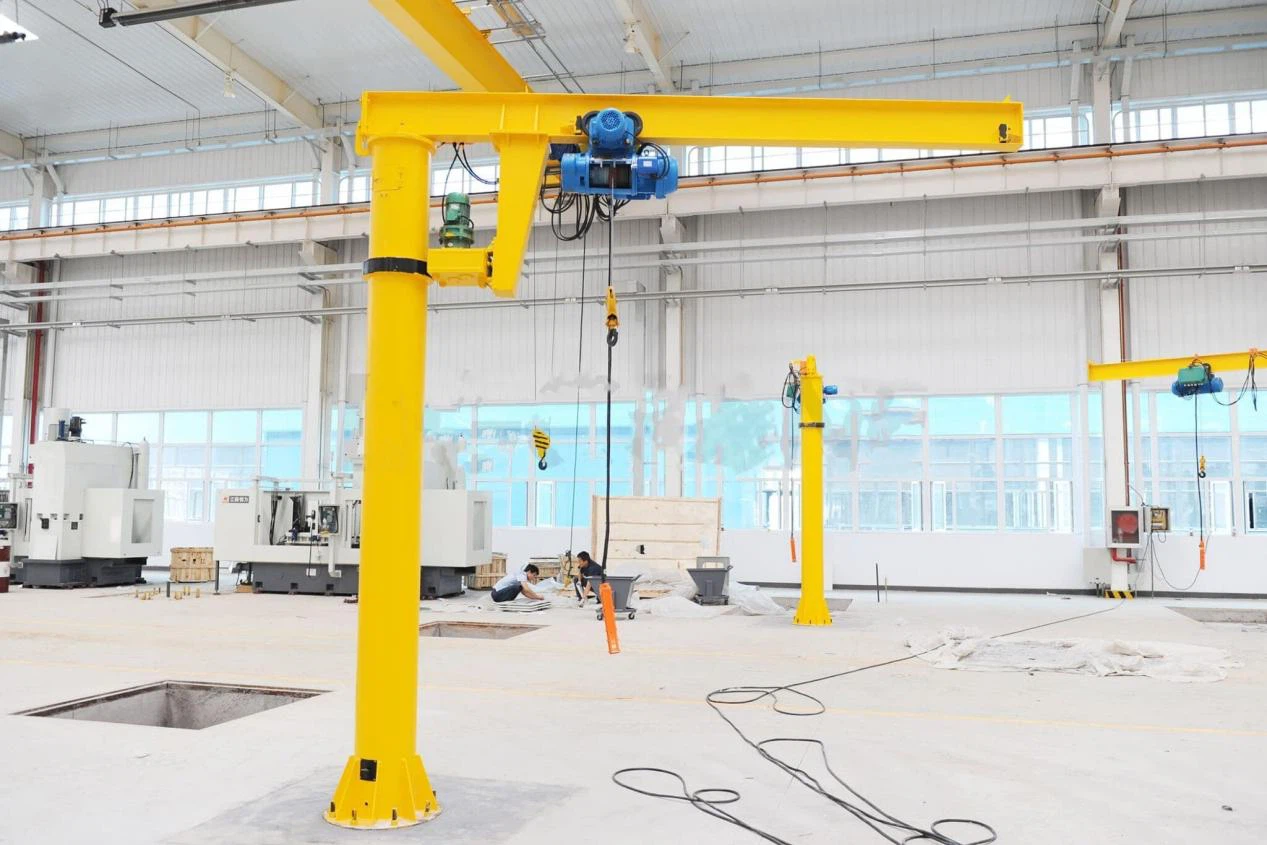
Freestanding jib cranes, also called column-mounted jib cranes, are mounted on a vertical column or post and offer greater stability and load capacity than wall-mounted jib cranes. Freestanding jib cranes can rotate 360 degrees, giving them a greater range of motion and coverage.
Wall-mounted jib cranes
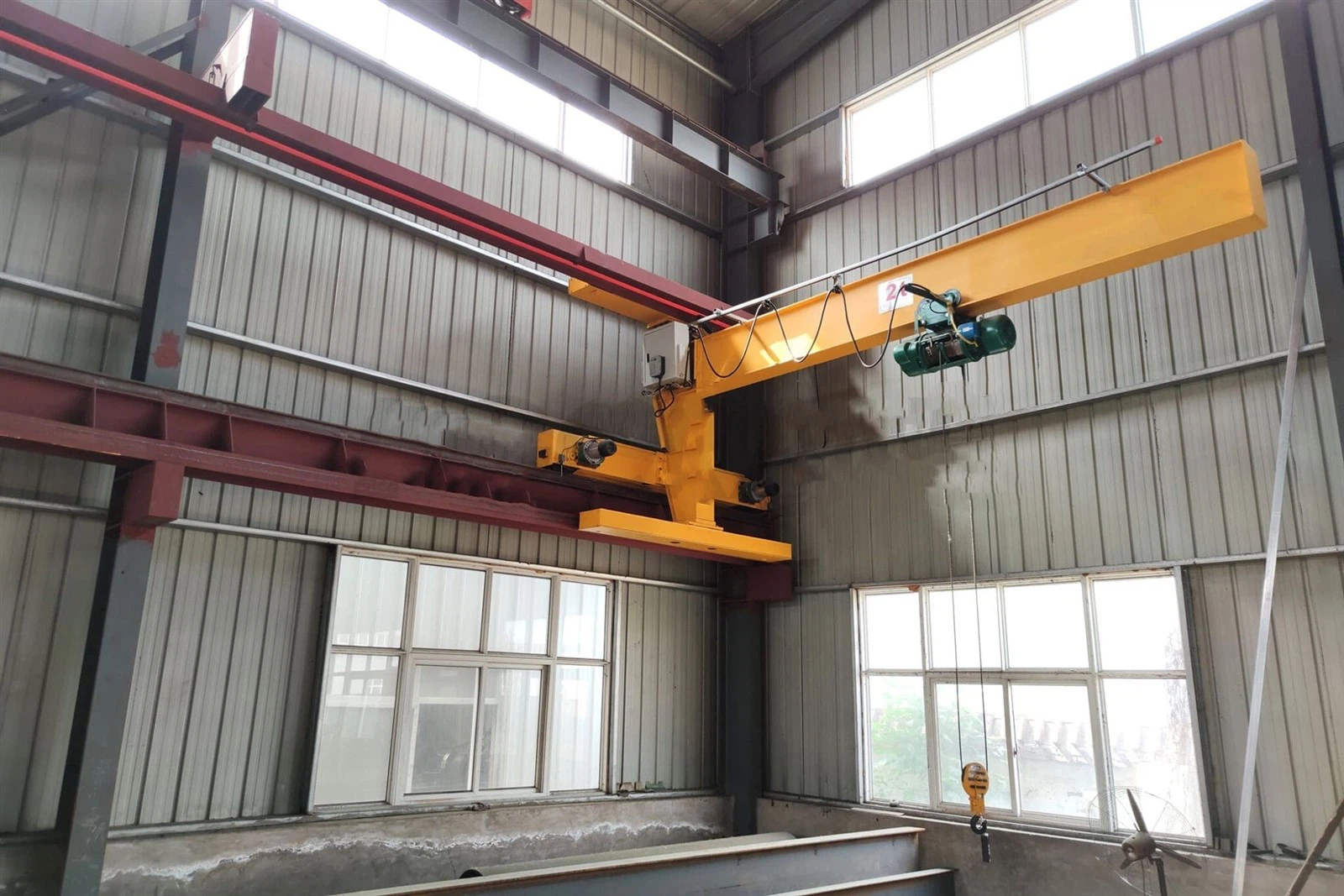
A wall-mounted jib crane is a combination of a wall-mounted jib crane and a bridge crane. It is mounted on a track along the wall and can move horizontally along the wall and rotate about its vertical axis. A wall-mounted jib crane is ideal for facilities with long and narrow workspaces.
Load Capacity
When you are looking to purchase a jib crane, it is important to consider the load capacity required. Jib cranes have varying load capacities, ranging from a few hundred pounds to several tons. The load capacity of a jib crane depends on various factors, such as the type of crane, the length of the jib, and the mounting location.
For light applications, a wall-mounted jib crane with a load capacity of up to 1 ton is a good choice. For heavier loads, a column-mounted jib crane with a load capacity of up to 5 tons can provide the necessary support and stability.
Mounting Options
Jib cranes can be mounted in different ways, depending on the workspace and load requirements. Here are some common mounting options:
Floor-Mounted Jib Cranes
Floor-mounted jib cranes are mounted on a concrete foundation to provide maximum stability and load capacity. Floor-mounted jib cranes are ideal for facilities with high ceilings and heavier loads.
Portable Jib Cranes
A portable jib crane is a self-supporting crane that can be moved around a workspace as needed. It is ideal for facilities that require occasional lifting and moving of loads.
Mast Jib Cranes
A mast jib crane is a free-standing crane that features a vertical mast that supports the jib. It is ideal for facilities with limited floor space and low ceilings.
Conclusion
When you are looking to purchase a jib crane, it is critical to consider your workspace, load requirements, and application needs. Different types of jib cranes, load capacities, and mounting options are available to meet a variety of applications and industries. By understanding these factors, you can make an informed decision to select a jib crane that will meet your needs and provide the most efficiency and safety at your workplace.
FAQs
Q: What is the difference between a column jib crane and a wall jib crane?
A: A column jib crane is mounted on a column or pole, while a wall jib crane is mounted on a wall or vertical surface.
Q: What is the maximum lifting capacity of a jib crane?
A: The maximum lifting capacity of a jib crane depends on the specific model and capacity of the crane. Always check the manufacturer's specifications before purchasing.
Q: Can a jib crane be used outdoors?
A: Yes, some jib cranes are designed for outdoor use. However, it is important to choose a crane that is designed for outdoor use and can withstand adverse weather conditions.
Q: What is the average lifespan of a jib crane?
A: The average lifespan of a jib crane depends on several factors, including how often it is used and how often it is maintained. However, with proper care and maintenance, a jib crane can last for many years.
Q: How long does it take to install a jib crane?
A: The installation time for a jib crane varies depending on the specific model and where it is being installed. But on average, it may take 1-2 days to complete the installation.


