







30 Ton Gantry Crane
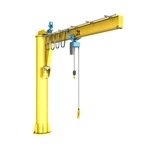
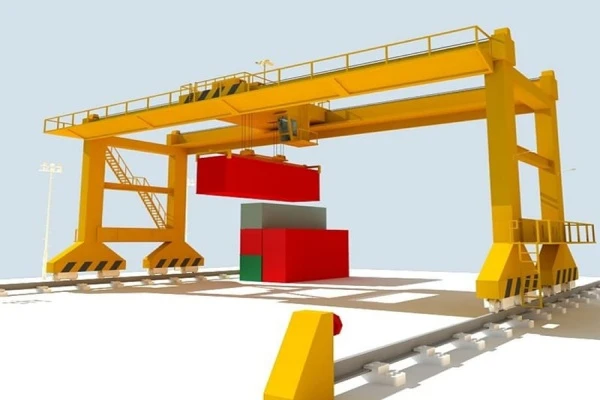
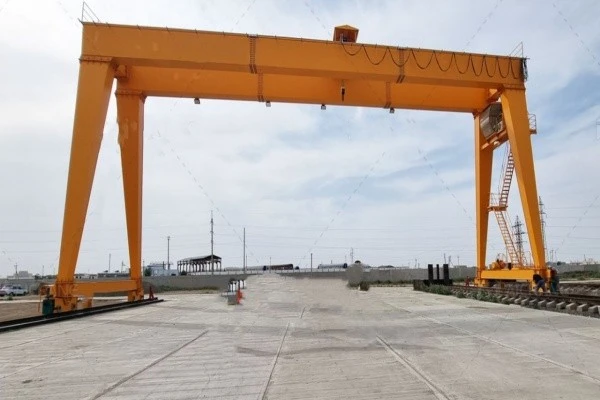
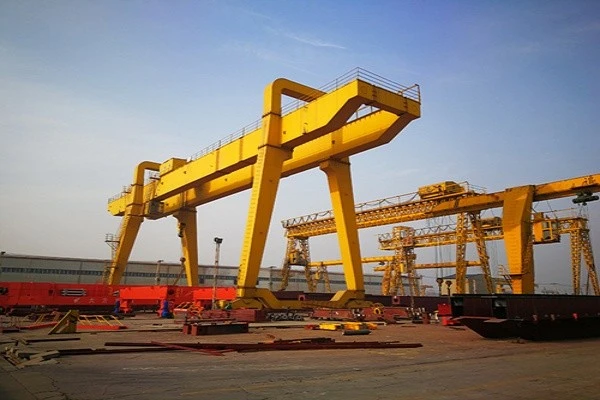
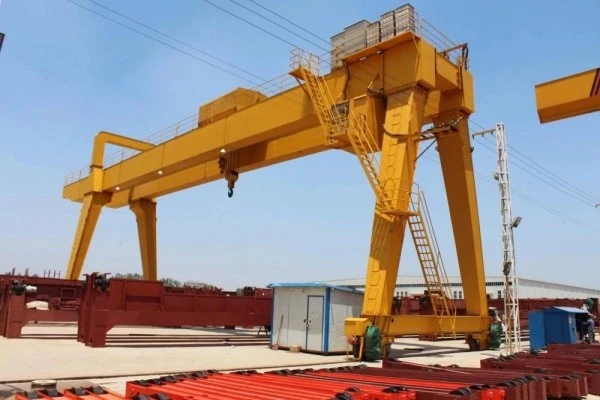
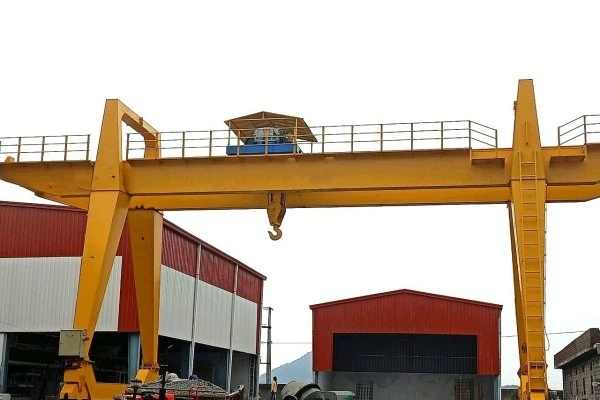
1.A 30-ton gantry crane is a powerful, heavy-duty lifting solution used in various industrial applications to move large loads efficiently and safely. Here's a brief introduction:Product Overview:A 30-ton gantry crane is designed to lift and transport loads weighing up to 30 tons. It consists of a bridge supported by two or more legs that move on fixed rails or tracks, allowing the crane to move horizontally. The hoist mechanism, usually attached to a trolley, moves along the bridge to lift and lower loads. These cranes are widely used in outdoor environments like shipyards, construction sites, or indoor manufacturing facilities where overhead crane systems are not feasible.
2.Benefits:Efficiency: Allows for quick and precise load handling, improving productivity.
Versatility: Can handle a wide range of loads and functions across different industries.
Customization: Configurations and specifications can be adjusted to meet specific operational needs.
Safety: Equipped with safety features such as overload protection, emergency stop systems, and limit switches to prevent accidents.
Overall, a 30-ton gantry crane is an essential asset for industries requiring heavy lifting, offering flexibility, strength, and operational efficiency.
Rated Loading Capacity:70 Ton, 50 Ton, 90 Ton
Max. Lifting Height:25M, 7.5m, 10M, 15M, 6m, 20M, Other
Span:8m~22m
Warranty of core components;1 Year
Weight (KG):25000 kg
Warranty:1 Year
Working Duty:A3
Lift height:6m 9m 12m 16m 30m or customized
Lifting capacity:10ton-200ton or customized
Pictures & Components
1.Main beam
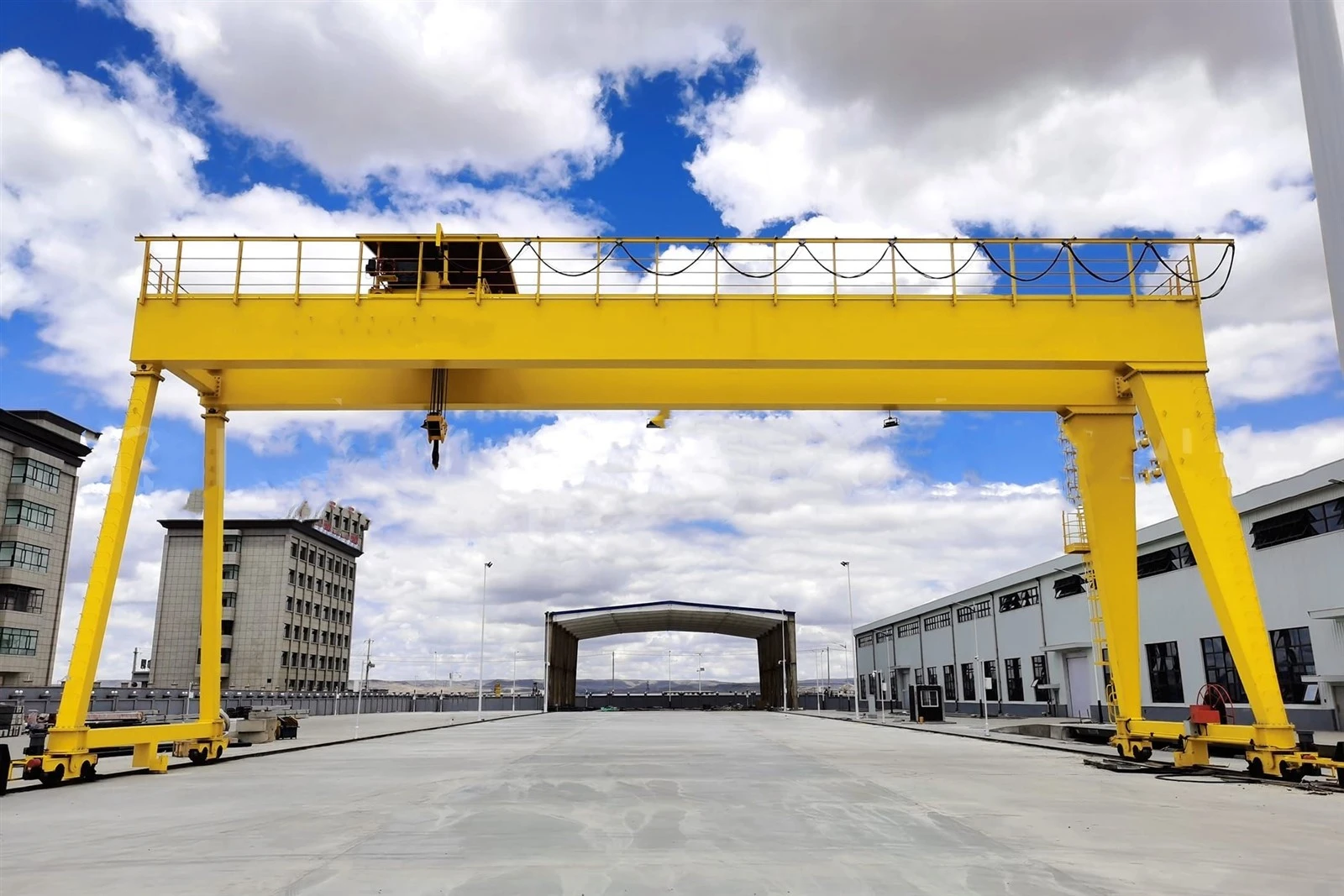
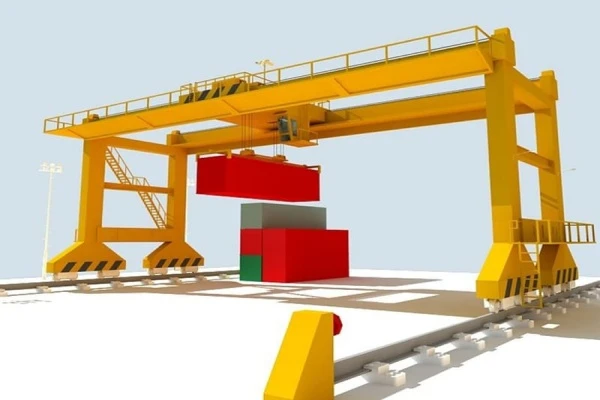
1.The main beam (or girder) of a 30-ton gantry crane is the most critical structural component, as it supports the crane's lifting operations and ensures stability under heavy loads.
2.The main beam is typically made of high-grade steel, engineered to withstand heavy stress and torsion during lifting operations.
The steel is often corrosion-resistant, especially when the crane is used in outdoor environments.For a 30-ton capacity, most gantry cranes use double-girder configurations to distribute the weight effectively across the span and provide additional structural support.
The main beam requires regular inspections for cracks, corrosion, or signs of fatigue. Preventive maintenance ensures that the structural integrity is maintained, especially after long-term or high-load usage
 .
.
Lifting System
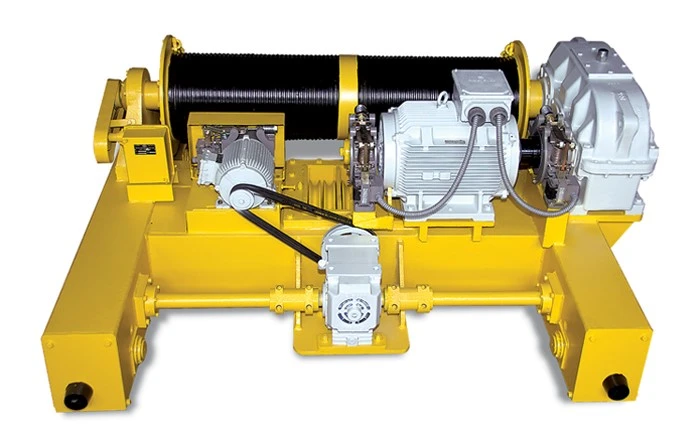
1.The lifting system of a 30t gantry crane is designed to lift and transport heavy loads up to 30 tons. The system typically includes the following components:
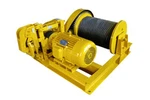
Hoist: The hoist is the main component of the lifting system, responsible for lifting and lowering the load. It consists of an electric motor, gearbox, drum, brake, and limit switches.
Lifting ropes or chains: These are used to connect the hook block to the hoist drum. They transfer the force from the hoist to the load, allowing it to be lifted and moved.
Hook block: The hook block is attached to the lifting ropes or chains and is used to connect the load to the crane. It usually has a hook or grab attachment for easy connection and disconnection from the load.
Traveling mechanism: This component moves the entire lifting system along the crane's horizontal beams or girders. It consists of electric motors, gearboxes, wheels, and rails.
2.The lifting system of a 30t gantry crane must be designed to meet the specific requirements of the application, such as load capacity, lifting height, and span length. Proper maintenance and inspection of the system are essential to ensure safe and reliable operation.
3.End carriage
1.The end carriage of a 30t gantry crane is a crucial component that supports the main beam or girder at one end and allows it to move along the crane's runway beam or rail.
2.Components of the End Carriage
Bearings and Axles: The wheels are mounted on axles, which in turn are supported by bearings within the carriage structure. These components ensure smooth rotation of the wheels and even distribution of load.
Support Structure: The end carriage has a robust support structure that attaches to the main beam or girder of the crane. This structure is designed to handle the heavy loads and forces exerted during operation.
3.Functions of the End Carriage
Support: The end carriage provides stable support for the main beam, ensuring that it can carry the heavy loads without bending or buckling.
Movement: It allows the crane to move along the runway beam, enabling the crane to cover a larger area for loading and unloading operations.
Stability: The design of the end carriage ensures that the crane maintains stability during movement and while lifting heavy objects.
4.The end carriage is a critical part of the 30t gantry crane, providing the necessary support and mobility required for large-scale industrial operations. Proper maintenance and regular inspections are essential to maintain its functionality and ensure the overall safety and efficiency of the crane.


4.Crane travelling mechanism
1.The traveling mechanism of a 30t gantry crane is responsible for moving the crane horizontally along its rails or runways. This mechanism allows the crane to transport loads over a larger area, delivering items to various points within its operational range. The traveling mechanism must be robust and reliable to handle the weight and forces involved in moving a 30-ton gantry crane.
2.Components of the Traveling Mechanism
Drive Units: These are typically electric motors that provide the power to move the crane. Depending on the design, there may be one or more drive units located on the crane.
Gearboxes: The gearboxes reduce the high speed of the motor output to a lower speed suitable for moving the heavy crane. They also increase the torque available for movement.
Wheels or Rollers: Large wheels or rollers are mounted to the bottom of the crane and run along the crane rails or runways. These are typically made from durable materials to withstand the heavy load and frequent use.
Brake System: A reliable brake system is essential for the traveling mechanism to safely control and stop the crane's movement. This can include mechanical, hydraulic, or electrical brakes.
3.Functions of the Traveling Mechanism
Horizontal Movement: The primary function of the traveling mechanism is to provide horizontal movement for the crane, allowing it to transport loads across its operational area.
Speed Control: The mechanism enables precise control over the speed of the crane, ensuring that it can move quickly when empty and more slowly when carrying a load.
Direction Change: The crane can be moved in both directions along the rail or runway, providing flexibility in operation.
Load Stability: The traveling mechanism ensures that the crane moves smoothly, preventing unnecessary swaying or jerking motions that could be dangerous when carrying heavy loads.
The traveling mechanism is a crucial part of the 30t gantry crane, enabling it to cover a large operational area and perform its lifting and transporting functions effectively. Proper maintenance, regular inspections, and adherence to operating guidelines are essential for safe and efficient operation of the crane.
5.Trolley travelling mechanism
1.The trolley traveling mechanism of a 30t gantry crane is responsible for moving the hoist or lifting assembly along the bridge or beam of the crane. This mechanism allows the crane to position the load precisely in the horizontal plane, enabling it to move the load from one end of the crane's span to the other.
2.Components of the Trolley Traveling Mechanism
Drive Units: These are typically electric motors that provide the power to move the trolley along the crane beam. There may be one or more motors depending on the design and capacity of the crane.
Gearboxes: Gearboxes are used to reduce the speed of the motor output and increase the torque, providing the necessary force to move the trolley and the attached load.
Wheels or Rollers: The trolley rides on wheels or rollers that run along the crane beam or bridge. These are designed to support the weight of the hoist and any attached load without damaging the beam.
Brake System: A reliable brake system is essential for the trolley traveling mechanism to safely control and stop the movement of the hoist. This can include mechanical, hydraulic, or electrical brakes.
3.Functions of the Trolley Traveling Mechanism
Horizontal Movement: The primary function of the trolley traveling mechanism is to provide horizontal movement for the hoist along the crane beam, allowing precise positioning of the load.
Speed Control: The mechanism enables precise control over the speed of the hoist, ensuring that it can move quickly when empty and more slowly when carrying a load.
Direction Change: The trolley can be moved in both directions along the beam, providing flexibility in operation.
4.The trolley traveling mechanism is a crucial part of the 30t gantry crane, enabling it to position loads accurately within its operational area. Proper maintenance, regular inspections, and adherence to operating guidelines are essential for safe and efficient operation of the crane.
6.Crane wheel
1.The crane wheel of a 30t gantry crane is a critical component that allows the crane to move along its rails or runways. These wheels are specifically designed to bear the substantial weight of the crane and any loads it may be carrying, while also providing smooth and reliable movement.
2.Features of the Crane Wheel
Material: Crane wheels are typically made from high-strength materials such as steel or cast iron, which can withstand the heavy loads and stresses involved in lifting and moving operations.
Size: The size of the wheels is determined by the capacity of the crane and the weight it needs to support. Larger wheels can spread the load over a greater area, reducing ground pressure and improving stability.
Design: The wheels may have a flat or contoured tread, depending on the surface they will be rolling on. Some wheels are also equipped with flanges to prevent the crane from shifting sideways.
Bearings: High-quality bearings are used in the wheels to ensure smooth rotation and longevity. These bearings must be able to handle the heavy loads without failing.
3.Considerations for Crane Wheels
Load Capacity: The wheels must be capable of supporting the maximum load that the crane is designed to lift, plus the weight of the crane itself.
Rail Compatibility: The wheels must be compatible with the rails or runways on which the crane operates, ensuring proper fit and smooth movement.
Environmental Conditions: The material and design of the wheels should take into account the environmental conditions in which the crane will operate, including exposure to moisture, chemicals, or extreme temperatures.
The crane wheels are a fundamental part of the 30t gantry crane, providing the essential support and mobility required for the crane to perform its functions. Proper selection, installation, and maintenance of these wheels are crucial for the safe and efficient operation of the crane.
 |
 |
 |
7.Crane Hook
1.The crane hook of a 30t gantry crane is a vital component that enables the crane to lift and move heavy loads. The hook is the point of connection between the crane's lifting mechanism and the load, and it must be strong, reliable, and designed to handle the specific demands of the crane's operation.
2.Features of the Crane Hook
Material: Crane hooks are typically made from high-strength steel alloys to ensure they can withstand the weight and forces involved in lifting operations. The material is also chosen for its resistance to wear and corrosion.
Design: The hook is designed with a curved end to securely engage with the load, preventing it from slipping or becoming dislodged during lifting. The design may also include features such as safety latches to prevent accidental release.
Capacity: The hook must be capable of supporting the maximum load that the crane is designed to lift. This includes not only the weight of the load but also any dynamic forces that may be encountered during lifting, such as swinging or jerking motions.
3.Considerations for Crane Hooks
Load Type: The type of load that the crane will be lifting (e.g., materials, equipment, containers) influences the design and features of the hook. Different hooks may be required for different types of loads to ensure safe and efficient handling.
Lifting Height: The length of the hook and its attachment to the hoist assembly determines the maximum lifting height of the crane. This must be considered in relation to the operational requirements of the crane.
4.The crane hook is a critical component of the 30t gantry crane, responsible for securely lifting and moving heavy loads. Proper selection, installation, and maintenance of the hook are essential for the safe and efficient operation of the crane. Regular inspections and adherence to operating guidelines are crucial to prevent accidents and ensure the longevity of the hook.
 |
 |
 |
Motor
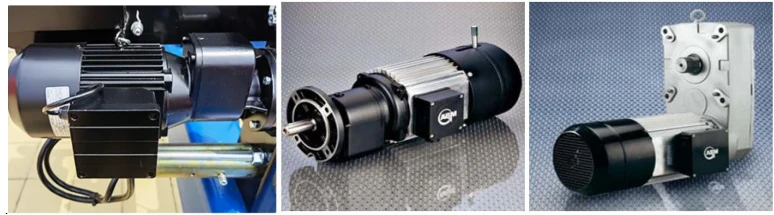
The motor of a 30t gantry crane is a crucial component that provides the power necessary for the crane to lift and move heavy loads. The motor's performance directly affects the crane's efficiency, reliability, and safety.
2.Features of the Crane Motor
Type: Crane motors can be electric or hydraulic, depending on the design and requirements of the crane. Electric motors are common in gantry cranes due to their efficiency and controllability.
Power Rating: The motor must have sufficient power to lift and move the maximum load that the crane is designed to handle, including any overhead for dynamic forces encountered during operation.
Speed Control: The motor should allow for precise speed control, enabling the crane to lift loads at controlled rates and to position them accurately. This may involve variable frequency drives (VFDs) for electric motors.
Duty Cycle: Crane motors are often rated for a specific duty cycle, which describes the expected pattern of operation, including periods of use and idle time.
3.Considerations for Crane Motors
Load Requirements: The motor must be capable of handling the specific loads that the crane will be lifting, including any impact loads or sudden changes in load that may occur during operation.
Efficiency: Efficient motors can reduce operational costs by using less energy to perform the same tasks. This is particularly important for cranes that operate frequently.
Maintenance: Regular maintenance is required to keep the motor in good working condition. This includes checking for signs of wear, ensuring proper lubrication, and monitoring the cooling system.
Environmental Conditions: The motor must be suitable for the environmental conditions in which the crane will operate, including temperature extremes, humidity, and exposure to dust or chemicals.
4.The motor of a 30t gantry crane plays a vital role in the crane's operation, providing the power necessary for lifting and moving heavy loads safely and efficiently. Proper selection, installation, and maintenance of the motor are essential for the dependable performance of the crane. Regular inspections and adherence to operating guidelines are crucial to prevent accidents and ensure the longevity of the motor.

.
Sound and light alarm system & limit switch
1.The sound and light alarm system and limit switches are important safety features of a 30t gantry crane. These components help to prevent accidents and ensure that the crane operates within its safe working limits. Here are the main features and considerations for these components:
2.Sound and Light Alarm System
Visibility and Audible Range: The alarm system should be designed to provide both visual and audible signals that are detectable throughout the crane's operating area, alerting personnel to the crane's presence and movements.
Warning Signals: The system typically includes warning signals such as flashing lights, horns, or sirens to indicate when the crane is in operation or about to move.
Control: The alarm system is usually controlled by the crane operator, who can activate the signals before moving the crane. Some systems may also include automatic activation features linked to the crane's functions.
Mounting: The alarm devices are strategically mounted on the crane to ensure maximum visibility and audibility, often on the highest points of the crane structure.
3.Limit Switch
Function: Limit switches are used to detect the position of the crane's various moving parts and to automatically stop the crane when it reaches the limits of its safe working range.
Location: These switches are typically located at the extreme ends of the crane's travel path, as well as at the upper and lower limits of the hoist mechanism.
Operation: As the crane approaches the limit of its travel or hoisting range, the switch is triggered, cutting power to the motor and engaging the braking system to prevent further movement.
Adjustment: Limit switches may be adjustable to allow for changes in the crane's operational requirements or to accommodate different loads.
4.The sound and light alarm system and limit switches are essential safety features of a 30t gantry crane, working together to alert personnel to the crane's operations and to prevent the crane from exceeding its safe working limits. Proper installation, maintenance, and regular testing of these components are crucial for the safe operation of the crane. Compliance with regulatory standards and best practices in the industry is also important to ensure the effectiveness of these safety measures.

10.Safety Devices
1.Load Measuring Devices
Load Cells: These sensors measure the actual weight of the load being lifted and transmit this information to the crane operator, ensuring that the crane does not exceed its rated capacity.
Rating Plates: A metal plate attached to the crane that displays the crane's maximum load capacity and other relevant operating information.
2.Positional Safety Devices
Limit Switches: As described earlier, these switches automatically stop the crane when it reaches the predetermined limits of its safe operating range.
Overtravel Limits: Additional safety mechanism that provides a secondary stop if the primary limit switch fails.
3.Alarm Systems
Sound and Light Alarms: Alert personnel to the crane's movements and operational status, as discussed previously.
Emergency Stop Buttons: Allow the crane operator or other personnel to immediately stop all crane motion in case of an emergency.
4.Braking Systems
Mechanical Brakes: Engaged when the crane is not in use or in case of emergencies to prevent any unintended movement.
Dynamic Brakes: Used in electric cranes to slow down the motor by reversing the flow of electrical current.
5.Control Systems
Safety Locks: Devices that lock the controls when the crane is not in use, preventing unauthorized operation.
Control System Redundancies: Backup systems that take over if the primary control system fails.
6.Miscellaneous Safety Features
Safety Bars or Guardrails: Protect operators and maintenance workers from falling or coming into contact with moving parts.
Non-Skid Surfaces: On crane runways and operator platforms to prevent slipping accidents.
Refuge Areas: Designated safe areas where personnel can retreat to in case of emergency while the crane is in operation.
First Aid Kits and Fire Extinguishers: Readily available on-site for emergencies.
Warning Labels and Signs: Clearly display safety instructions and warnings around the crane and in the operating cabin.
11.Control Mode
1.Manual Control
Direct Intervention: The crane operator directly controls the hoisting and traveling movements of the crane using handwheels, levers, or push buttons. This mode requires skilled operators who can manually synchronize the movements to achieve the desired positioning of the load.
Simple Mechanisms: Manual control systems are generally simpler in design and may be less prone to complex failures.
Limited Precision: The precision of the crane's movements is limited to the operator's skill and experience.
2.Semi-Automatic Control
Assisted Operation: The crane operator uses control devices such as joysticks or paddle switches to command the crane, but the system includes automated features that assist in controlling speed and synchronization.
Enhanced Safety: Semi-automatic systems often include safety features like automatic stops at load limits or travel limits.
Improved Efficiency: These systems can improve operational efficiency by reducing the need for highly skilled operators.
3.Fully Automatic Control
Programmable Logic Controller (PLC): The crane's operations are governed by a PLC, which can be programmed to perform specific sequences of operations automatically.
Precise Control: Fully automatic systems offer precise control over the crane's movements, allowing for complex maneuvers to be executed consistently.
Reduced Human Error: Automated systems reduce the potential for human error, enhancing safety and reliability.
Remote Operation: In some cases, fully automatic cranes can be operated remotely, removing the operator from potentially hazardous environments.
4.Radio Control
Wireless Operation: The crane operator uses radio transmitters to control the crane from a distance, which can be particularly useful in environments where visual contact with the crane is limited.
Increased Flexibility: Radio control allows operators to move freely around the work area while maintaining control of the crane.
Safety Considerations: Proper frequency management and security measures must be in place to prevent interference or unauthorized operation of the crane.
5.Computer Control
Advanced Systems: Some gantry cranes may employ computer systems that integrate advanced features such as machine vision, artificial intelligence, and data analysis to optimize operations.
Data Collection: Computer-controlled cranes can collect operational data, which can be used for maintenance planning and operational optimization.
Interface Options: Operators may interact with the crane through touch screens or other advanced interfaces, providing detailed feedback and control options.

Advantages
1.High Lifting Capacity
Heavy Load Handling: With a lifting capacity of 30 tons, these cranes can handle large and heavy items that would be impossible or extremely dangerous to move manually or with smaller equipment.
Versatility: The high lifting capacity allows the crane to be used across a wide range of industries, from heavy machinery assembly to the transportation of large construction materials.
2.Space Efficiency
Compact Footprint: Gantry cranes are designed to be mounted on runways or tracks, making them space-efficient as they do not require much room to operate laterally.
Overhead Operations: The crane's ability to operate overhead allows ground space to be used more effectively, especially in congested industrial environments.
3.Mobility and Transport
Rigid Construction: The gantry crane's rigid structure provides stability during lifting and moving operations, ensuring safety and accuracy.
Adjustable Speed: The crane can adjust its traveling and lifting speeds according to the requirements of the load and the environment, allowing for precise placement of objects.
4.Scalability and Customization
Design Flexibility: Gantry cranes can be customized to fit specific operational needs, including span length, height, and other specifications, making them adaptable to a variety of working conditions.
Upgradable Systems: As technology advances, gantry cranes can be upgraded with newer control systems or safety features, ensuring they remain effective and compliant with the latest safety standards.
5.Cost-Effectiveness
Energy Efficiency: Compared to other types of cranes, gantry cranes can be designed for energy efficiency, reducing operating costs over time.
Maintenance Costs: While initial investments may be significant, the maintenance and operation costs of gantry cranes are generally lower due to their simple design and durable construction.
Application:
1.Manufacturing and Production
Heavy Machinery Assembly: In industries that require the assembly of large machines, a 30t gantry crane can move components into place with precision, ensuring accuracy during the assembly process.
Product Transport: Within factories, these cranes transport heavy materials or assembled products from one stage of production to another, streamlining the 2.manufacturing process.
Construction and Civil Engineering
Precast Elements Handling: For construction projects using precast concrete elements, a 30t gantry crane can install these heavy pieces efficiently, reducing installation time and labor costs.
Bridge Construction: In bridge building projects, these cranes are used to lift and place beams or other structural components accurately into their designated positions.
3.Shipping and Port Operations
Cargo Loading and Unloading: At ports, a 30t gantry crane is instrumental in loading and unloading containers and heavy cargo onto ships or trucks, facilitating faster turnaround times for vessels.
Warehouse Logistics: In large warehouses, especially those storing heavy items like steel coils or large machinery, these cranes manage storage more accessibly and safely.
4.Railroad and Airport Infrastructure
Rail Maintenance: For maintenance and repair of rail tracks, a 30t gantry crane can lift and move heavy rails or replace sleepers, minimizing disruption to services.
Aircraft Maintenance: In aircraft maintenance hangars, these cranes are used for lifting engines or other heavy components for inspection or repair.
5.Energy and Utilities
Nuclear Power Plants: In the nuclear industry, gantry cranes are used for handling and positioning heavy radioactive components, ensuring safety and precision.
Wind Turbine Installation: For assembling wind turbines, a 30t gantry crane can lift the heavy nacelle or rotor blades into place, simplifying the installation process.
6.Mining and Quarrying
Rock Transport: In mining operations, gantry cranes transport rocks from the extraction site to processing areas or conveyance systems.
Equipment Maintenance: Heavy mining equipment often requires maintenance or replacement of parts; a 30t gantry crane can lift these components with ease.
Crane production procedure
1. Design and Engineering
Detailed Engineering: Develop detailed engineering drawings and specifications, including the main beam, hoist, trolley, end carriages, and other components.
Simulation and Modeling: Use computer-aided design (CAD) and simulation tools to model the crane's performance and optimize its design.
2. Material Selection
Material Specifications: Select high-quality materials that meet the requirements for strength, durability, and heat resistance. Common materials include high-strength steel, alloys, and specialized coatings.
Procurement: Source materials from approved suppliers, ensuring they meet the necessary quality and certification standards.
3. Component Fabrication
Cutting and Shaping: Cut and shape raw materials into the required components, such as beams, columns, and brackets. This may involve processes like plasma cutting, laser cutting, and machining.Welding and Assembly: Weld components together to form the crane's structural elements. This includes welding the main beam, end carriages, and other load-bearing parts.
4. Assembly
Sub-Assembly: Assemble individual components, such as the hoisting system, trolley, and end carriages, into sub-assemblies. This involves fitting parts together and ensuring proper alignment.Main Assembly: Combine sub-assemblies to construct the complete crane structure. This includes mounting the hoist and trolley on the main beam, attaching the end carriages, and installing the control systems.
5. Integration of Systems
Electrical Systems: Install electrical components, including motors, control panels, wiring, and sensors. Ensure that the crane's electrical systems are properly integrated and tested.
Control Systems: Implement and configure control systems, such as programmable logic controllers (PLCs), remote controls, and safety devices. Verify that the control systems function correctly and are calibrated.
6. Testing and Quality Assurance
Pre-Operational Testing: Conduct pre-operational tests to check the crane's functionality, including load testing, operational testing of the lifting and traveling mechanisms, and control system checks.
Safety Testing: Verify that safety features, such as limit switches, alarms, and emergency stops, are working correctly and meet safety standards.
Inspection: Perform a detailed inspection of the crane's structure and components to ensure compliance with design specifications and quality standards.
7. Final Adjustments and Calibration
Fine-Tuning: Make any necessary adjustments to optimize the crane's performance and ensure smooth operation. This may include calibrating sensors, adjusting controls, and fine-tuning the lifting system.
Documentation: Prepare and review documentation, including operation manuals, maintenance guides, and safety instructions.
8. Delivery and Installation
Transport: Arrange for the transport of the crane to the installation site, ensuring that it is handled and shipped safely to prevent damage.
Installation: Oversee the installation of the crane at the customer's facility, including assembly, alignment, and connection to power sources and control systems.
Training: Provide training for operators and maintenance personnel to ensure they are familiar with the crane's operation and safety procedures.
9. Commissioning and Handover
Commissioning: Conduct final commissioning tests to verify that the crane operates correctly under real-world conditions and meets performance specifications.
Handover: Officially hand over the crane to the customer, providing all necessary documentation, including certificates of compliance, warranty information, and maintenance schedules.
Crane production procedure

Workshop view
The company has installed an intelligent equipment management platform, and has installed 310 sets (sets) of handling and welding robots. After the completion of the plan, there will be more than 500 sets (sets), and the equipment networking rate will reach 95%. 32 welding lines have been put into use, 50 are planned to be installed, and the automation rate of the entire product line has reached.


Hot Tags: 30 ton gantry crane, China 30 ton gantry crane manufacturers, suppliers, factory
Previous
200t Gantry CraneYou Might Also Like


Send Inquiry