










320 Ton Mobile Boat Marine Lift
Products Description
A 320-ton mobile boat marine lift is a heavy-duty piece of equipment designed to lift, move, and store large boats, yachts, and marine vessels out of the water for maintenance, repair, or storage. These lifts are commonly used in marinas, boatyards, shipyards, and naval bases.
Key Features of a 320-Ton Mobile Boat Hoist:
High Load Capacity – Can handle vessels weighing up to 200 metric tons (or ~440,000 lbs).
Mobility – Equipped with wheels or tracks, allowing it to move boats horizontally on land.
Hydraulic or Electric Operation – Powered by hydraulic systems or electric motors for smooth lifting.
Adjustable Straps/Cradles – Customizable support arms or slings to fit different hull shapes.
Stability & Safety – Features like outriggers, load sensors, and fail-safe brakes ensure secure lifting.
Versatility – Can handle a variety of vessels, including sailboats, motor yachts, fishing boats, and small ships.
Remote Control Operation – Some models allow wireless control for precision maneuvering.
Comparison with Other Marine Lifting Solutions
| Feature | Small Boat Gantry Crane | Travel Lift | Forklift (Marine) |
|---|---|---|---|
| Mobility | Portable, some wheeled | Fixed or rail-mounted | Highly mobile |
| Capacity | 1–20 tons | 10–100+ tons | 2–10 tons |
| Best For | Small boats, DIY yards | Large marinas | Lightweight boats |
| Cost | Lower | Higher | Moderate |
Lifting Capacity 320 tons
Span (Width) 3 - 12 meters (adjustable)
Lifting Height 3 - 10 meters
Working Class A3-A5 (light to medium duty)
Hoisting Speed 0.5 - 8 m/min (variable)
Main Beam Type Single/double girder (box-type)
Power Supply 220V/380V 3-phase or manual
Control Mode Pendant control/wireless remote
Hoist Type Electric chain hoist/wire rope hoist
Travel Drive Manual push or motorized
Corrosion Protection Hot-dip galvanized or marine-grade paint
Wind Resistance Up to Beaufort scale 6 (for outdoor use)
Operating Temp -20°C to +50°C

Pictures & Components
A 320-ton mobile boat marine lift is a heavy-duty system designed to lift, transport, and store large vessels (up to 200 tons) in marinas, shipyards, and boat storage facilities. Below are the key components of such a system:
1. Structural Components
Main Frame/Chassis – Heavy-duty steel construction to support the load.
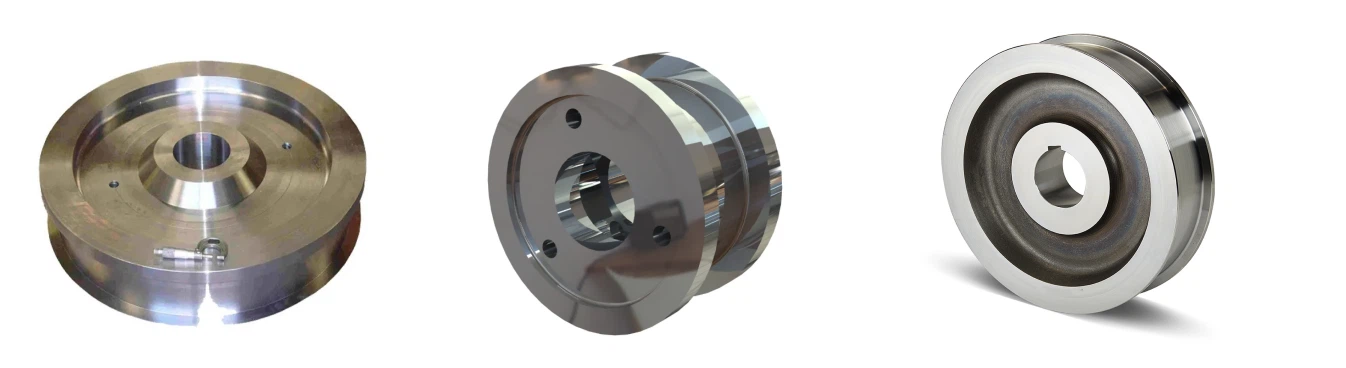
Wheel Assemblies – Pneumatic or solid rubber tires for mobility (often with hydraulic steering).
Outriggers/Stabilizers – Extendable legs for stability during lifting operations.
Cross Beams & Bunks – Adjustable supports that cradle the hull of the boat.

2. Lifting Mechanism
Hydraulic Cylinders – High-capacity cylinders (usually 4 or more) for lifting.
Hydraulic Pump & Power Unit – Provides hydraulic pressure (electric or diesel-powered).
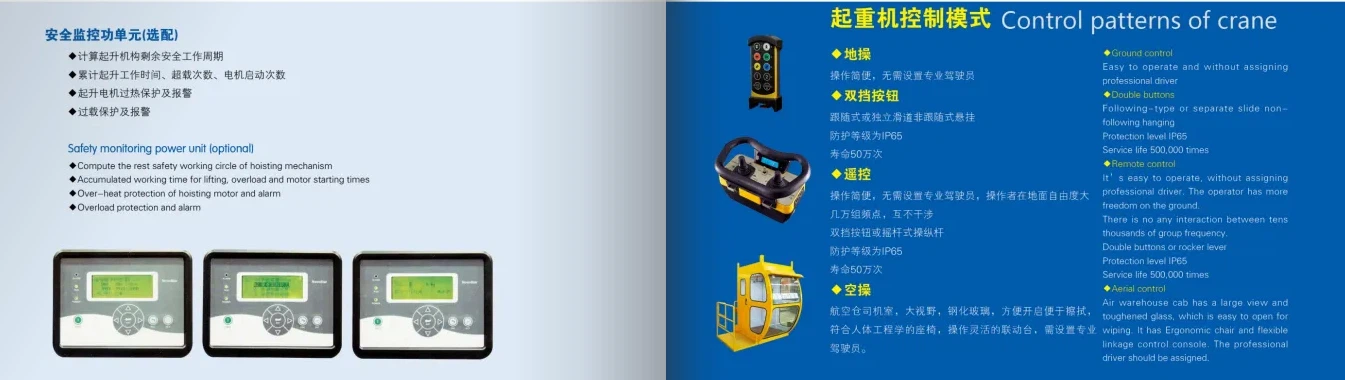
Control System – Manual or remote-operated controls for lifting/lowering.
Load Sensors – Ensure even weight distribution and prevent overloading.
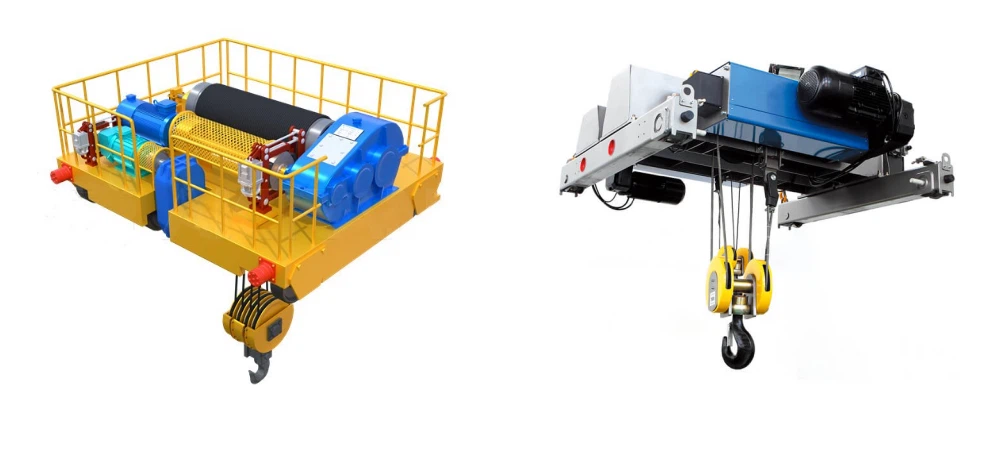
3. Mobility & Steering System
Drive Motors – Electric or hydraulic motors for movement.
Steering Mechanism – Hydraulic or manual steering for precise positioning.
Braking System – Mechanical or hydraulic brakes for safety.

4. Safety & Support Components
Emergency Stop System – Immediate shutdown in case of failure.
Safety Locks/Pins – Prevent accidental lowering.
Load Monitoring System – Displays weight distribution in real time.
Anti-Tip System – Prevents tipping during movement.
5. Optional Features
Self-Propelled Drive – For easier maneuvering.
Remote Control – Wireless operation for convenience.
Corrosion Protection – Marine-grade coatings for saltwater resistance.
Adjustable Bunks/Pads – Customizable for different hull shapes.
Applications
Marinas – Launching and retrieving large boats.
Boatyards – Transporting vessels for maintenance.
Dry Stack Storage – Stacking boats in storage facilities.


SKETCH
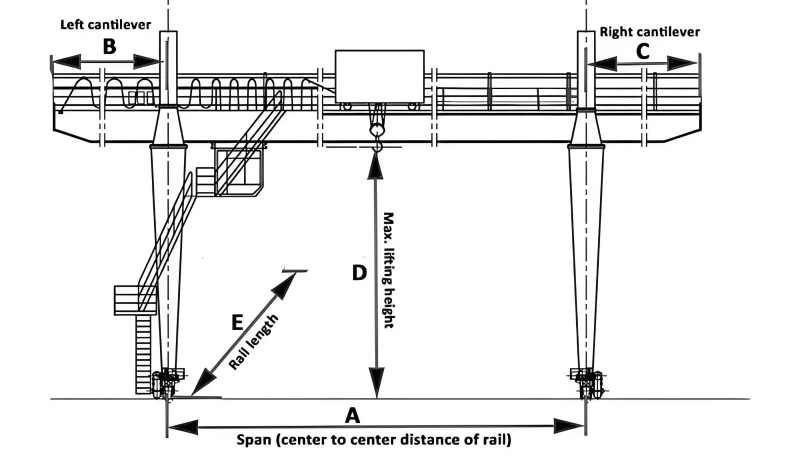
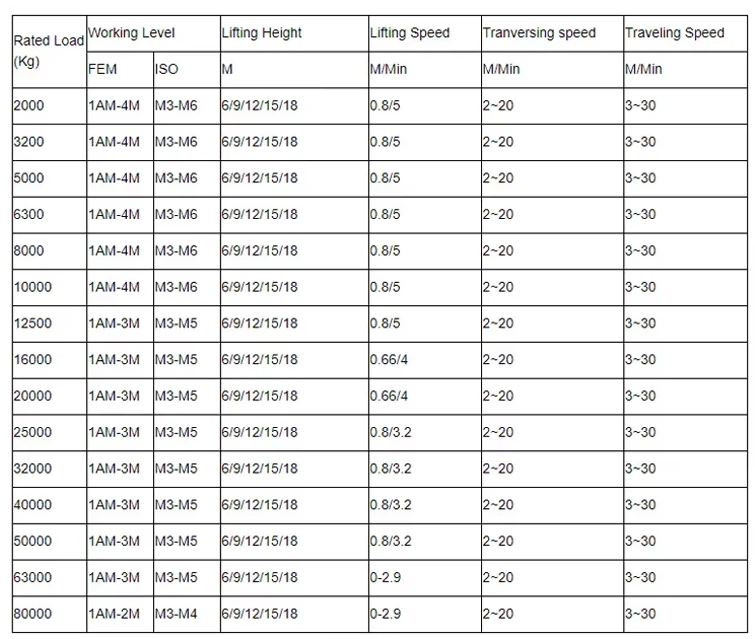
Main technical
Advantages
A 200-ton mobile boat marine lift is a heavy-duty piece of equipment designed for lifting, moving, and storing large boats, yachts, and marine vessels. Here are some of its key advantages:
1. High Lifting Capacity
Can handle vessels weighing up to 200 tons, making it suitable for large yachts, commercial boats, and military craft.
Ideal for shipyards, marinas, and boat repair facilities dealing with heavy vessels.
2. Mobility & Flexibility
Wheeled or tracked design allows easy movement around dry docks, boatyards, and marinas.
Can be repositioned as needed, eliminating the need for fixed cranes or permanent lifting structures.
3. Space Efficiency
Requires less space compared to traditional boat hoists or fixed dry docks.
Can be stored compactly when not in use, optimizing yard space.
4. Versatility in Applications
Suitable for launching, retrieving, transporting, and storing boats.
Useful for maintenance, repairs, hull inspections, and painting without needing a slipway or dry dock.
5. Cost-Effective Solution
Reduces the need for expensive permanent infrastructure like travel lifts or synchro lifts.
Lower operational costs compared to crane rentals or dry docking fees.
6. Improved Safety
Equipped with hydraulic stability systems to prevent tilting or shifting during lifts.
Features safety locks and overload protection to secure vessels during transport.
7. Quick & Efficient Operations
Faster than traditional methods like floating docks or crane lifts.
Reduces downtime for boat owners and repair services.
8. Adaptability to Different Vessel Types
Adjustable lifting straps or cradles accommodate various hull shapes (catamarans, monohulls, etc.).
Can be used for ferries, fishing boats, patrol boats, and luxury yachts.
9. Reduced Environmental Impact
Minimizes the need for dredging or permanent marine construction.
Can operate in eco-sensitive areas without disrupting waterways.
10. All-Weather Capability
Can be used in tidal zones, shallow waters, or dry land.
Some models are designed for harsh marine environments (corrosion-resistant materials).
Ideal For:
A 200-ton mobile boat marine lift is a heavy-duty piece of equipment designed for lifting, moving, and storing large boats, yachts, and marine vessels. Here are some of its key advantages:
1. High Lifting Capacity
Can handle vessels weighing up to 200 tons, making it suitable for large yachts, commercial boats, and military craft.
Ideal for shipyards, marinas, and boat repair facilities dealing with heavy vessels.
2. Mobility & Flexibility
Wheeled or tracked design allows easy movement around dry docks, boatyards, and marinas.
Can be repositioned as needed, eliminating the need for fixed cranes or permanent lifting structures.
3. Space Efficiency
Requires less space compared to traditional boat hoists or fixed dry docks.
Can be stored compactly when not in use, optimizing yard space.
4. Versatility in Applications
Suitable for launching, retrieving, transporting, and storing boats.
Useful for maintenance, repairs, hull inspections, and painting without needing a slipway or dry dock.
5. Cost-Effective Solution
Reduces the need for expensive permanent infrastructure like travel lifts or synchro lifts.
Lower operational costs compared to crane rentals or dry docking fees.
6. Improved Safety
Equipped with hydraulic stability systems to prevent tilting or shifting during lifts.
Features safety locks and overload protection to secure vessels during transport.
7. Quick & Efficient Operations
Faster than traditional methods like floating docks or crane lifts.
Reduces downtime for boat owners and repair services.
8. Adaptability to Different Vessel Types
Adjustable lifting straps or cradles accommodate various hull shapes (catamarans, monohulls, etc.).
Can be used for ferries, fishing boats, patrol boats, and luxury yachts.
9. Reduced Environmental Impact
Minimizes the need for dredging or permanent marine construction.
Can operate in eco-sensitive areas without disrupting waterways.
10. All-Weather Capability
Can be used in tidal zones, shallow waters, or dry land.
Some models are designed for harsh marine environments (corrosion-resistant materials).
Application
Applications:
Boatyard & Marina Operations – Launching and retrieving large yachts and commercial boats.
Dry Dock Maintenance – Facilitating hull repairs, painting, and inspections.
Boat Storage – Moving vessels to storage racks or parking areas.
Shipbuilding & Repair – Transporting vessels between workstations.
Emergency Recovery – Salvaging sunken or stranded boats.
Crane production process
The production process of a 200-ton mobile boat/marine lift crane involves several stages, from design and engineering to fabrication, assembly, and testing. Below is a detailed breakdown of the typical production process:
1. Design & Engineering
Conceptual Design: Engineers create initial sketches and 3D models based on load capacity (200 tons), reach, mobility, and environmental conditions (marine use).
Structural Analysis: Finite Element Analysis (FEA) ensures the crane can handle dynamic loads, wind, and wave forces.
Hydraulic & Electrical Systems: Design of hydraulic cylinders, winches, and control systems for smooth lifting operations.
Material Selection: High-strength steel (e.g., ASTM A514) for corrosion resistance in marine environments.
Regulatory Compliance: Meets standards like DNV-GL, ABS, or Lloyd's Register for marine cranes.
2. Material Procurement
Steel Plates & Beams: Sourced for the boom, chassis, and structural framework.
Hydraulic Components: Pumps, cylinders, hoses, and valves from certified suppliers.
Electrical Systems: Motors, sensors, and control panels (often waterproof for marine use).
Wire Ropes & Sheaves: High-grade steel cables for lifting.
3. Fabrication
A. Structural Fabrication
Cutting & Shaping: CNC plasma/laser cutting for precision parts.
Welding: Automated and manual welding (Submerged Arc Welding for thick sections).
Boom Construction: Lattice or telescopic design for strength and mobility.
Chassis & Outriggers: Reinforced for stability during lifts.
B. Hydraulic & Mechanical Assembly
Hydraulic System: Installation of pumps, cylinders, and hoses.
Winches & Drums: Mounted for lifting and lowering operations.
Slewing Mechanism: Allows 360° rotation (if applicable).
C. Electrical & Control Systems
Control Cabin: Waterproof operator station with joysticks/sensors.
Load Monitoring: Load cells and limit switches for safety.
Power Supply: Diesel engine or electric motor (marine-grade).
4. Assembly & Integration
Boom Installation: Mounted onto the chassis with pivot points.
Counterweights: Added for balance (if required).
Final Wiring & Plumbing: Connecting hydraulic and electrical systems.
Painting & Coating: Anti-corrosion paint (epoxy or zinc coatings).
5. Testing & Quality Control
Load Testing: Lifting 200 tons (+25% overload test, per standards).
Functional Tests: Checking hydraulic movements, rotation, and stability.
Environmental Tests: Salt spray tests for marine durability.
Safety Checks: Emergency stop systems, overload alarms.
6. Delivery & Commissioning
Transport: Disassembled for shipping or delivered as a mobile unit.
On-Site Assembly: Reassembled at the dock or shipyard.
Operator Training: Handling and safety protocols.

Workshop view:
The company has installed an intelligent equipment management platform, and has installed 310 sets (sets) of handling and welding robots. After the completion of the plan, there will be more than 500 sets (sets), and the equipment networking rate will reach 95%. 32 welding lines have been put into use, 50 are planned to be installed, and the automation rate of the entire product line has reached 85%.



Hot Tags: 320 ton mobile boat marine lift, China 320 ton mobile boat marine lift manufacturers, suppliers, factory
You Might Also Like


Send Inquiry