







Electric Double Girder Gantry Crane
Products Description
Key Features:
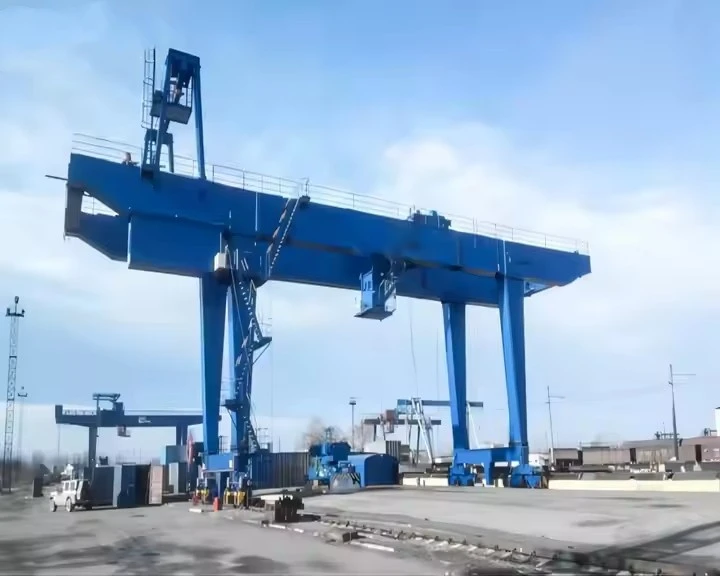
Double Girder Design – Provides higher lifting capacity (typically 5 to 550 tons) and better stability compared to single girder cranes.
Electric-Powered Operation – Uses electric motors for hoisting, trolley travel, and gantry movement, ensuring smooth and precise load handling.
Gantry System – The crane moves on rails or wheels, making it ideal for workshops, shipyards, construction sites, and storage yards.
Hoisting Mechanism – Equipped with a wire rope or chain hoist (depending on capacity) and a trolley that moves along the girders.
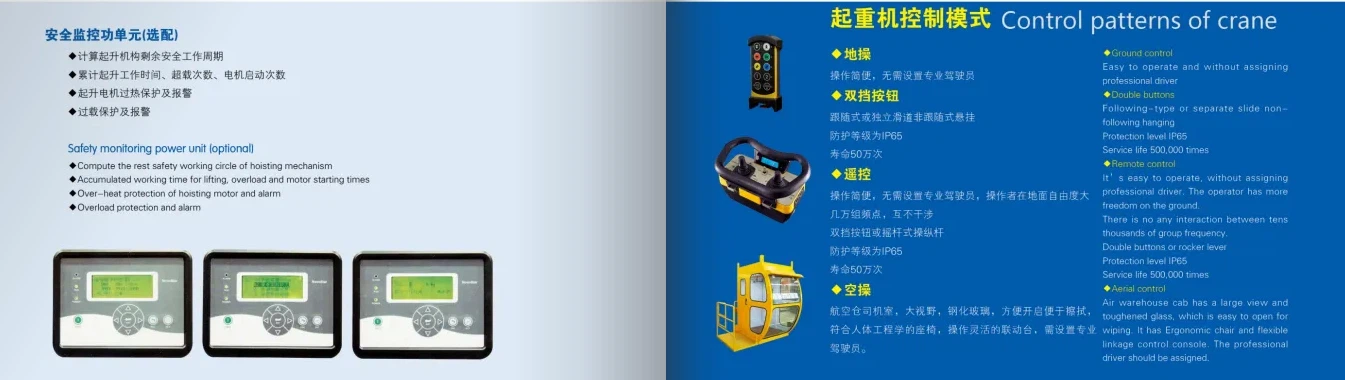
Control Options – Can be operated via pendant control, radio remote control, or cabin control.
Comparison with Single Girder Gantry Cranes
| Feature | Double Girder | Single Girder |
|---|---|---|
| Capacity | 5–550+ tons | 1–20 tons |
| Span | Up to 40m+ | Up to 30m |
| Hook Height | Higher (no lower beam obstruction) | Lower |
| Durability | More rigid, less deflection | Lighter, less stable under heavy loads |
| Cost | Higher initial cost | More economical |
Lifting Capacity 320 tons
Span (Width) 3 - 12 meters (adjustable)
Lifting Height 3 - 10 meters
Working Class A3-A5 (light to medium duty)
Hoisting Speed 0.5 - 8 m/min (variable)
Main Beam Type Single/double girder (box-type)
Power Supply 220V/380V 3-phase or manual
Control Mode Pendant control/wireless remote
Hoist Type Electric chain hoist/wire rope hoist
Travel Drive Manual push or motorized
Corrosion Protection Hot-dip galvanized or marine-grade paint
Wind Resistance Up to Beaufort scale 6 (for outdoor use)
Operating Temp -20°C to +50°C

Pictures & Componen
An Electric Double Girder Gantry Crane consists of several key components that work together to ensure efficient lifting and movement of heavy loads. Below is a detailed breakdown of its main parts:
1. Main Girders (Bridge Beams)
Two parallel steel beams that form the primary load-bearing structure.
Designed to withstand bending and torsional forces.
Typically made from welded box sections or fabricated steel for high strength.
2. End Carriages (Legs & Wheels)
Support the girders and house the wheels for movement.
Equipped with driven wheels (motorized) and idler wheels (non-powered).
Can be adjustable for different rail spans or fixed for permanent installations.

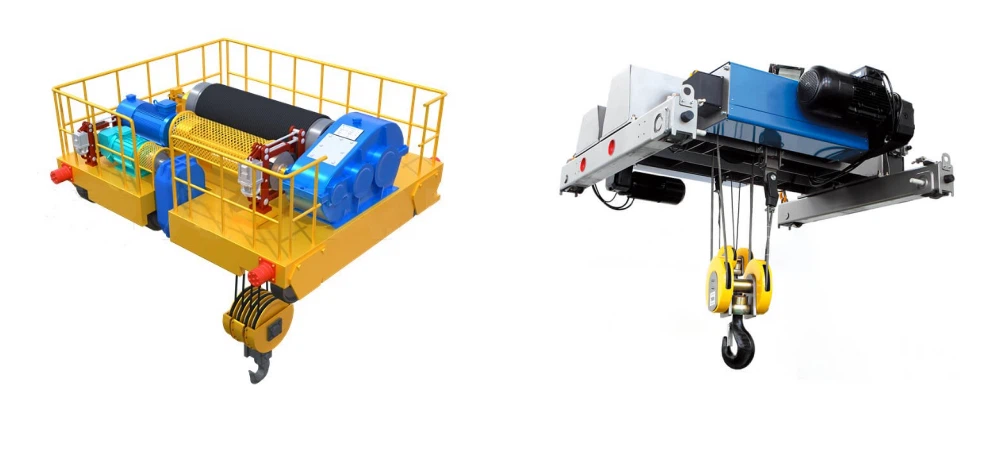
3. Hoisting Mechanism
Electric Hoist / Winch – Lifts and lowers the load (wire rope or chain type).
Trolley – Moves horizontally along the girders, carrying the hoist.
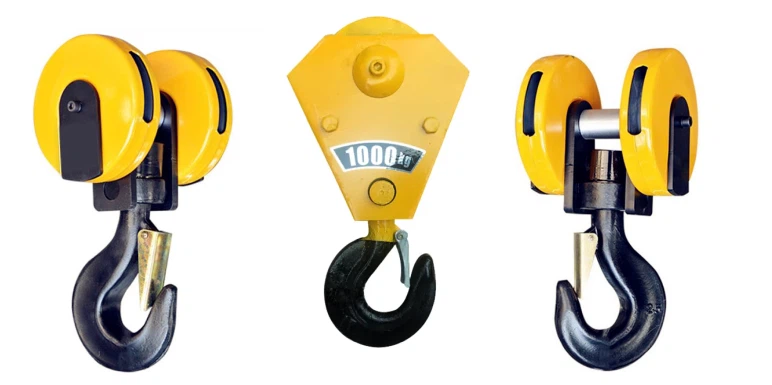
Hook Block – Attaches to the load (can be replaced with grabs, magnets, or other attachments).
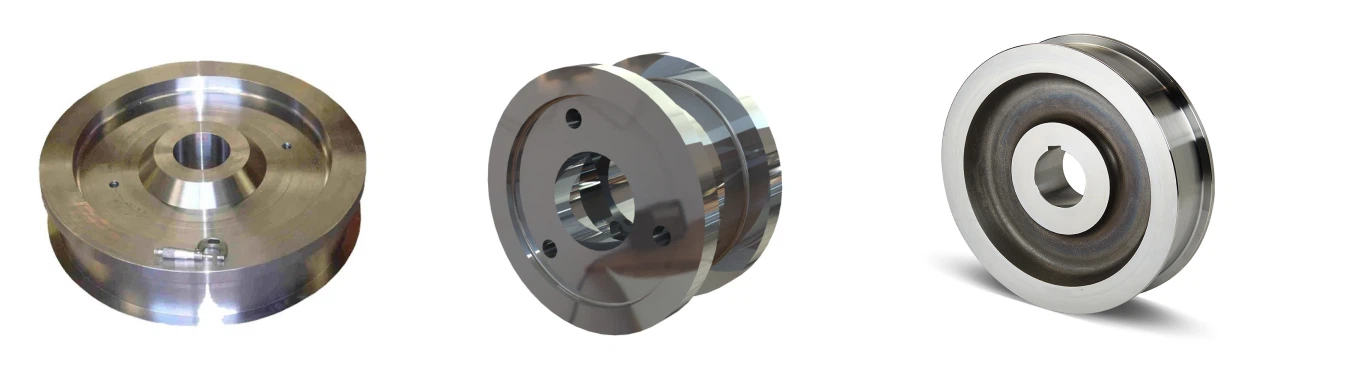
4. Trolley Travel System
Consists of trolley frame, wheels, and drive motors.
Moves along rails mounted on top of the main girders.
5. Gantry Travel System
Travel motors & gearboxes – Power the movement of the entire crane along ground rails.
Rail & Wheel System – Steel rails guide the crane's path (can be embedded in the ground or surface-mounted).


6. Electrical System
Motors – For hoisting, trolley travel, and gantry movement.
Control Panel / Variable Frequency Drive (VFD) – Ensures smooth acceleration and braking.
Power Supply – Typically 3-phase AC (via cable reels, festoon systems, or conductor bars).
Operator Controls – Pendant station, radio remote, or cabin control.

7. Safety & Auxiliary Components
Limit Switches – Prevent over-hoisting or over-travel.
Brakes – Mechanical or electromagnetic brakes for secure stopping.
Buffers & Bumpers – Absorb impact at rail ends.
Anemometer (for outdoor cranes) – Detects wind speed for safe operation.
Load Limiter / Load Cell – Prevents overloading.
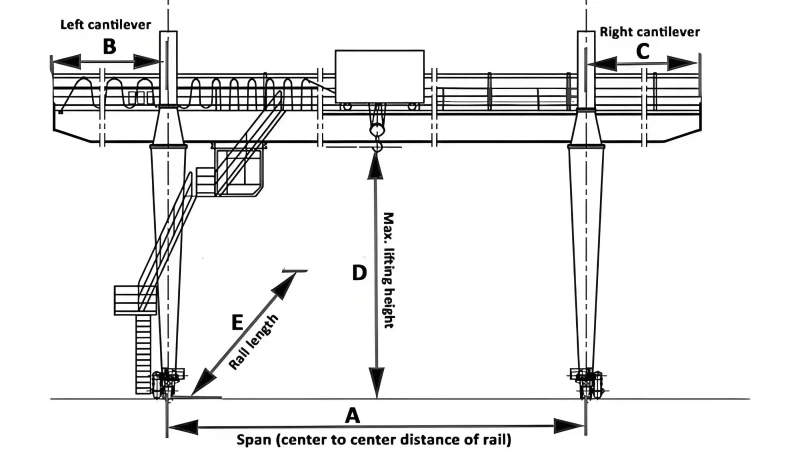
SKETCH
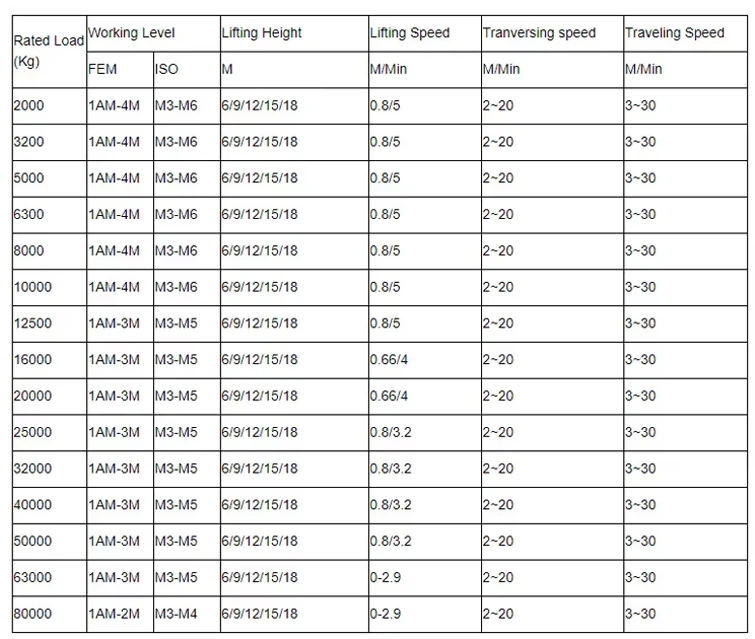
Main technical
Advantages
Higher Load Capacity
Can handle 5 to 550+ tons, making it ideal for heavy industries like steel, shipbuilding, and construction.
Greater Span & Hook Height
Wider working area (up to 40m+ span) and better hook height compared to single girder cranes.
Enhanced Stability & Durability
Double girders provide better load distribution, reducing deflection and increasing structural integrity.
Smooth & Precise Control
Electric motors with Variable Frequency Drives (VFDs) ensure jerk-free movement and precise positioning.
Versatility in Applications
Can be fitted with magnets, grabs, spreaders, or hooks for different materials (steel, containers, bulk goods).
Reduced Maintenance
Robust construction with sealed bearings, high-grade steel, and minimal wear parts.
Safety Features
Equipped with overload protection, limit switches, anti-collision systems, and emergency brakes.
Customizable Options
Adjustable legs, outdoor weatherproofing, explosion-proof versions, and automated controls available.
Application
1. Heavy Industries & Manufacturing
Steel Plants – Handling coils, slabs, and heavy machinery.
Shipyards – Assembling ship sections and moving large components.
Automotive – Lifting car molds and heavy presses.
2. Construction & Infrastructure
Bridge Building – Installing precast segments and steel girders.
Power Plants – Erecting turbines, boilers, and generators.
3. Logistics & Ports
Container Handling – Loading/unloading shipping containers.
Bulk Material Transport – Moving coal, gravel, or scrap metal.
4. Warehousing & Workshops
Heavy Fabrication Shops – Lifting large metal structures.
Railway Workshops – Handling locomotives and rail components.
5. Renewable Energy Sector
Wind Turbine Assembly – Installing nacelles and rotor blades.
Crane production process
The production process of a 200-ton mobile boat/marine lift crane involves several stages, from design and engineering to fabrication, assembly, and testing. Below is a detailed breakdown of the typical production process:
1. Design & Engineering
Conceptual Design: Engineers create initial sketches and 3D models based on load capacity (200 tons), reach, mobility, and environmental conditions (marine use).
Structural Analysis: Finite Element Analysis (FEA) ensures the crane can handle dynamic loads, wind, and wave forces.
Hydraulic & Electrical Systems: Design of hydraulic cylinders, winches, and control systems for smooth lifting operations.
Material Selection: High-strength steel (e.g., ASTM A514) for corrosion resistance in marine environments.
Regulatory Compliance: Meets standards like DNV-GL, ABS, or Lloyd's Register for marine cranes.
2. Material Procurement
Steel Plates & Beams: Sourced for the boom, chassis, and structural framework.
Hydraulic Components: Pumps, cylinders, hoses, and valves from certified suppliers.
Electrical Systems: Motors, sensors, and control panels (often waterproof for marine use).
Wire Ropes & Sheaves: High-grade steel cables for lifting.
3. Fabrication
A. Structural Fabrication
Cutting & Shaping: CNC plasma/laser cutting for precision parts.
Welding: Automated and manual welding (Submerged Arc Welding for thick sections).
Boom Construction: Lattice or telescopic design for strength and mobility.
Chassis & Outriggers: Reinforced for stability during lifts.
B. Hydraulic & Mechanical Assembly
Hydraulic System: Installation of pumps, cylinders, and hoses.
Winches & Drums: Mounted for lifting and lowering operations.
Slewing Mechanism: Allows 360° rotation (if applicable).
C. Electrical & Control Systems
Control Cabin: Waterproof operator station with joysticks/sensors.
Load Monitoring: Load cells and limit switches for safety.
Power Supply: Diesel engine or electric motor (marine-grade).
4. Assembly & Integration
Boom Installation: Mounted onto the chassis with pivot points.
Counterweights: Added for balance (if required).
Final Wiring & Plumbing: Connecting hydraulic and electrical systems.
Painting & Coating: Anti-corrosion paint (epoxy or zinc coatings).
5. Testing & Quality Control
Load Testing: Lifting 200 tons (+25% overload test, per standards).
Functional Tests: Checking hydraulic movements, rotation, and stability.
Environmental Tests: Salt spray tests for marine durability.
Safety Checks: Emergency stop systems, overload alarms.
6. Delivery & Commissioning
Transport: Disassembled for shipping or delivered as a mobile unit.
On-Site Assembly: Reassembled at the dock or shipyard.
Operator Training: Handling and safety protocols.

Workshop view:
The company has installed an intelligent equipment management platform, and has installed 310 sets (sets) of handling and welding robots. After the completion of the plan, there will be more than 500 sets (sets), and the equipment networking rate will reach 95%. 32 welding lines have been put into use, 50 are planned to be installed, and the automation rate of the entire product line has reached 85%.




Hot Tags: electric double girder gantry crane, China electric double girder gantry crane manufacturers, suppliers, factory
Previous
Outdoor Electric Gantry CraneYou Might Also Like


Send Inquiry